Годовая крупная акция: Специальные предложения на оптовую покупку двухвалковых грануляторов!

Дата: 11 декабря 2025 г.

С приближением конца 2025 года наступает золотое время для предприятий удобрительной, химической, металлургической и смежных отраслей для модернизации производственных линий и оптимизации оборудования. В знак благодарности нашим мировым клиентам мы рады объявить о начале **Годовой акции на оптовую покупку двухвалковых грануляторов**. Воспользуйтесь этой возможностью, чтобы увеличить производительность и получить эксклюзивные скидки для 2026 года!
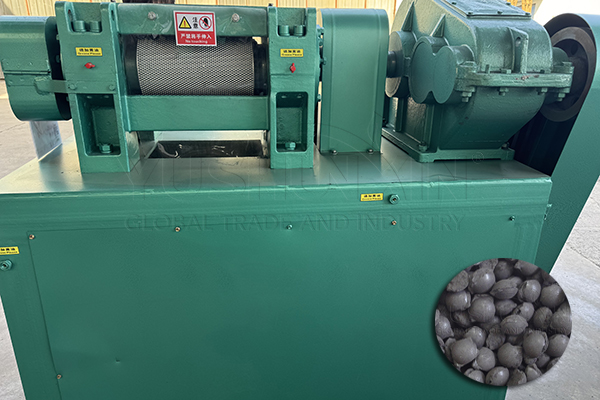
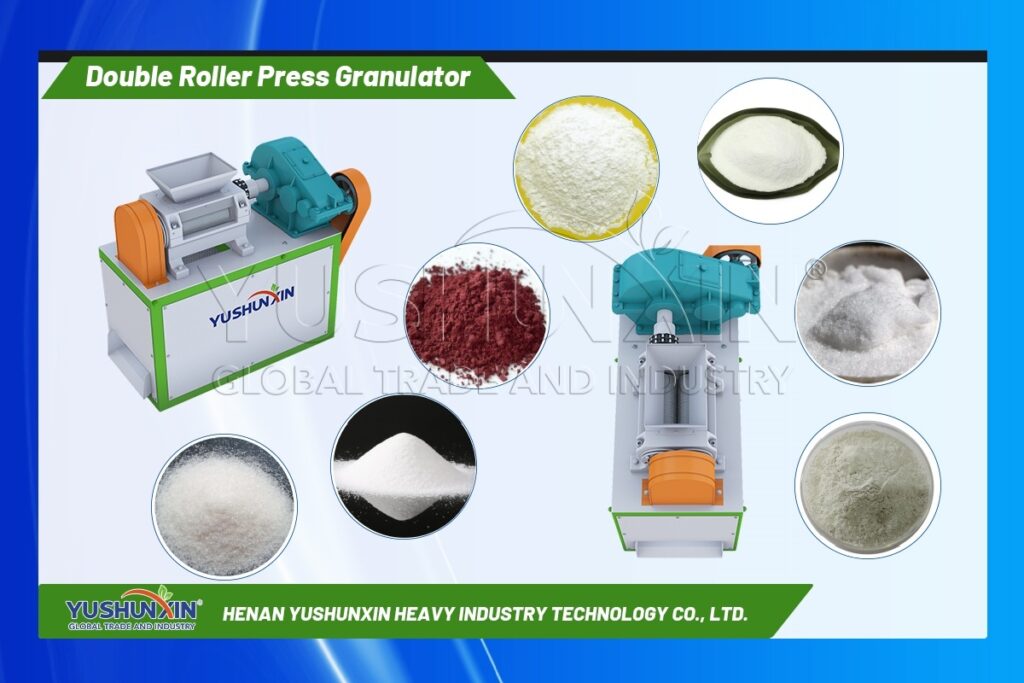
Granulador de extrusión de rodillos para la fabricación de fertilizantes solubles NPK

Период акции

с 11 декабря 2025 по 31 декабря 2025 года

Эксклюзивные преимущества оптовых закупок

Специальные скидки: закажите два и более устройства, чтобы получить значительные ценовые преимущества. Чем больше заказываете – тем больше экономите!
Бесплатный комплект запасных частей: получайте важные изнашиваемые детали с каждым оптовым заказом для минимизации времени простоя и бесперебойной работы.
Увеличенная гарантия: дополнительное гарантийное обслуживание для вашего спокойствия.
Бесплатный монтаж и техническое обучение: наши инженеры осуществят монтаж и проведут обучение для ваших сотрудников.
Субсидия на доставку: дополнительная поддержка международной логистики при соответствующих заказах.

Почему выбирают наш двухвалковый гранулятор

Высокий коэффициент гранулирования: однородные, прочные гранулы с отличной рыночной востребованностью.
Энергосберегающий и экологичный: низкое энергопотребление, минимальный шум, отсутствие загрязнений.
Компактная конструкция: экономия пространства, простота эксплуатации и низкие затраты на обслуживание.
Широкая область применения: подходит для комплексных удобрений, органических удобрений, химических материалов и др.

Двухвалковый гранулятор нитрата калия

Истории успеха

Клиент из Бразилии: приобрел несколько машин в 2025 году, добился увеличения производительности на 35% и заметного улучшения качества продукции.
Химическая группа Юго-Восточной Азии: оформила оптовый заказ на двухвалковые грануляторы во время акции 2025 года, получила экономию средств и своевременную техническую поддержку, что обеспечило бесперебойное расширение завода.

Почему выбирают нас

Более 20 лет опыта производства и экспорта
Качество, подтвержденное сертификатами ISO и CE, доверие клиентов из более чем 30 стран
Быстрая доставка и глобальное сервисное обслуживание
Индивидуальные решения под ваши задачи
Действуйте сейчас и подготовьтесь к 2026 году!

Годовые акции проходят только раз в году. Не упустите шанс обновить вашу производственную линию современными двухвалковыми грануляторами по лучшей цене!

Свяжитесь с нами для получения индивидуального предложения

Забронируйте оборудование заранее, увеличьте прибыль и встречайте успешный год. Мы ждем взаимовыгодного сотрудничества с вами! Для получения более подробной информации, пожалуйста, посетите:https://www.sxmashina.com/rolikovyy-granulyator/


Высокое качество и надежность: продажа двухвалковых грануляторов для вашего производства

С ростом спроса на гранулированную продукцию в таких отраслях, как сельское хозяйство, химия и фармацевтика, выбор эффективного, энергосберегающего и долговечного оборудования становится ключом к успеху многих предприятий. Двухвалковый гранулятор — это одна из самых востребованных машин на современном рынке, отличающаяся уникальным принципом формирования гранул и превосходной производительностью. Мы предлагаем к продаже качественные двухвалковые грануляторы по всей стране — сделайте ваш производственный процесс более масштабным и эффективным!

Granulador de extrusión de rodillos para la fabricación de fertilizantes solubles NPK

Что такое двухвалковый гранулятор?

Двухвалковый гранулятор — это специализированное оборудование, в котором пара вращающихся валков сжимает порошкообразные материалы и формирует из них гранулы. Такая машина отличается компактной конструкцией, простотой в эксплуатации и высоким уровнем автоматизации. Подходит для производства органических и комплексных удобрений, в химической и горнодобывающей промышленности, позволяет значительно повысить использование сырья и сократить отходы.

Основные преимущества двухвалкового гранулятора

1. Высокая степень формирования гранул: благодаря продуманной конструкции валков гранулы получаются ровными и однородными.
2. Экологичность: не требуется добавление связывающих веществ — прессование осуществляется напрямую, что снижает затраты и уменьшает негативное воздействие на окружающую среду.
3. Универсальность: подходит для различных материалов, особенно для порошков с плохой текучестью и высоким содержанием активных компонентов.
4. Простота обслуживания: устройство легко чистить, ремонтировать, оно надежно и стабильно работает.
5. Энергоэффективность: низкое энергопотребление и высокая производительность делают этот гранулятор идеальным выбором для современного производства.

Двухвалковый гранулятор для производство гуминовых удобрений.

Широкая сфера применения

Двухвалковые грануляторы отлично подходят для производства органических и комплексных удобрений, а также для работы в фармацевтической и химической промышленности. Особенно хорошие результаты они показывают в органическом земледелии, где помогают решать проблемы с агломерацией материалов и повышать качество конечных продуктов.

В наличии на складе, поддержка индивидуальных заказов

Мы предлагаем широкий ассортимент двухвалковых грануляторов с возможностью индивидуальной настройки под ваши задачи. Подберём оптимальное решение по мощности и размеру гранул, чтобы оборудование идеально вписалось в ваш технологический процесс.

Свяжитесь с нами для получения индивидуального предложения

Если вы ищете эффективный, надёжный и простой в эксплуатации двухвалковый гранулятор, обращайтесь к нам. Наши специалисты предоставят подробную информацию о продукции, техническую поддержку и помогут организовать выезд для знакомства с оборудованием.

Высокое качество производства начинается с правильного выбора оборудования. Оставляйте заявку или звоните — будем рады сотрудничеству и совместным успехам! Более подробную информацию можно найти на сайте:https://www.sxmashina.com/rolikovyy-granulyator/

Двухвалковый гранулятор: эффективный инструмент для производства гранул, способствующий экологичному и интеллектуальному производству

В современных отраслях по переработке порошковых материалов, таких как производство удобрений, химическая промышленность, металлургия и строительные материалы, качество и форма гранул напрямую влияют на показатели продукции и её конкурентоспособность на рынке. Как высокоэффективное и энергосберегающее устройство для формирования гранул, двухвалковый гранулятор благодаря своему уникальному принципу работы и заметным преимуществам всё чаще становится предпочтительным выбором для предприятий, стремящихся к автоматизации и интеллектуализации производства.

Granulador de extrusión de rodillos para la fabricación de fertilizantes solubles NPK

1. Принцип работы двухвалкового гранулятора

Двухвалковый гранулятор, также известный как двухвалковый экструзионный гранулятор или пресс-гранулятор, использует пару вращающихся навстречу друг другу валков, которые под высоким давлением формируют порошковый материал в специальные формы внутри матрицы валка. Весь процесс проходит без добавления воды или связующих веществ, что позволяет максимально сохранить свойства исходного сырья и подходит для гранулирования различных трудноформируемых материалов.

Технологический процесс включает:
– Равномерную подачу материала между валками с помощью питателя.
– При вращении валков порошок сильно сжимается в форме матрицы.
– Под высоким давлением порошок уплотняется и формируется в регулярные гранулы или таблетки.
– Гранулы автоматически отделяются, проходят дробление и просеивание для получения готового продукта.

2. Основные преимущества двухвалкового гранулятора

– Без сушки: экономия энергии и экологичность
Гранулирование происходит при комнатной температуре и не требует сушки, что значительно снижает энергозатраты и эксплуатационные расходы. Практически нет выбросов пыли, легко соответствовать экологическим стандартам.

– Плотные и прочные гранулы
Гранулы имеют плотную структуру и высокую прочность, обладают хорошей текучестью и устойчивы к разрушению, что облегчает их транспортировку и хранение.

– Простота эксплуатации и высокий уровень автоматизации
Компактная конструкция, интеллектуальная система управления обеспечивает автоматическую подачу материалов, защиту от перегрузки, регулировку производительности. Простое обслуживание и удобная эксплуатация.

– Широкий спектр применения и индивидуальная настройка
Различные материалы (комплексные удобрения, мочевина, фосфорные и калийные удобрения, минеральные порошки, гипс и др.) и размеры гранул — возможно изготовление валков и матриц под конкретные требования.

– Экономия инвестиций и быстрая отдача
Невысокие капитальные вложения, простая компоновка производственной линии, компактные размеры, что особенно выгодно для малых и средних предприятий, а также для новых или модернизируемых производств.

Гранулятор карбонат кальция

3. Типовые сферы применения двухвалкового гранулятора

Производство комплексных удобрений (NPK, различные смеси): высокая гибкость, удобная смена рецептуры.
– Химическая промышленность: гранулирование таких веществ, как сульфат аммония, хлорид аммония и др.
– Металлургия и горнодобывающая промышленность: формование гранул из железорудного концентрата, извести, гипса и др.
– Другие отрасли: переработка порошков в строительстве, фармацевтике, кормах, экологии.

4. Ответы на частые вопросы клиентов

– Какова прочность и форма гранул?
Гранулы формируются под высоким давлением и обладают высокой прочностью; форма регулируется конструкцией валков и матрицы.

– Можно ли использовать разные материалы и рецепты?
Да, устройство позволяет легко переходить на разные сырьевые смеси и быстро менять пресс-формы.

– Легко ли обслуживать оборудование и менять изнашиваемые детали?
Конструкция проста, основные изнашиваемые детали — валки; применяются износостойкие стали, замена быстрая и удобная.

– Можно ли интегрировать в существующую линию?
Да, специалисты могут предложить решения для модернизации и интеграции с уже установленным оборудованием.

5. Рекомендации при выборе двухвалкового гранулятора

– Обращайте внимание на качество материалов и конструкцию: использование прочной стали обеспечивает долгий срок службы.
– Учитывайте требуемую производительность и размер гранул при выборе модели.
– Оценивайте техническую поддержку и послепродажный сервис поставщика.
– По возможности проводите испытания с вашим сырьём на заводе производителя для проверки реальной производительности.

Сегодня производство порошковых гранул движется в сторону интеллектуализации, экологичности и эффективности. Двухвалковый гранулятор благодаря низкому энергопотреблению, автоматизации и качеству готовых гранул становится всё более востребованным в различных производственных линиях и помогает компаниям повышать конкурентоспособность.

Если вы ищете эффективное, экологичное и интеллектуальное решение для производства гранул — свяжитесь с нами для получения подробной информации, бесплатного тестирования вашего сырья и консультации по индивидуальному подбору оборудования. Вместе мы создадим будущее высококачественного гранулирования! Более подробную информацию можно найти на сайте:https://www.sxmashina.com/rolikovyy-granulyator/

SHUNXIN двухроликовый гранулятор — эффективный и энергосберегающий выбор для производства гранул

В современном развитии таких отраслей, как удобрения, химия, металлургия, процесс гранулирования играет важную роль. В качестве важного оборудования для производства гранул двухроликовый гранулятор благодаря высокой эффективности, низкому энергопотреблению и экологичности постепенно становится первым выбором для многих предприятий, стремящихся повысить производительность и качество продукции. SHUNXIN как известный бренд отрасли завоевал высокое признание клиентов благодаря превосходным характеристикам и стабильному качеству своих двухроликовых грануляторов. В этой статье мы подробно расскажем о характеристиках, преимуществах и сферах применения двухроликового гранулятора SHUNXIN.

Limestone Powder Granulator

1. Краткое описание продукта

Двухроликовый гранулятор SHUNXIN — это распространенное оборудование для гранулирования при комнатной температуре без сушки, где порошкообразные материалы превращаются в гранулы посредством физического прессования. Оборудование отличается компактной конструкцией и коротким технологическим процессом, подходит для гранулирования гуминовой кислоты, органических удобрений, комплексных удобрений, минеральных порошков и химических сырьевых материалов. Основные компоненты изготовлены из высокопрочной легированной стали, что обеспечивает износостойкость, коррозионную стойкость и долгий срок службы.

2. Преимущества продукта

– Высокий процент формирования гранул, равномерный размер
Точная регулировка зазора и давления между роликами позволяет значительно повысить выход годных гранул, который может достигать более 85% за один цикл. Гранулы имеют красивый внешний вид и однородный размер, что удобно для упаковки и транспортировки.

– Энергосбережение и экологичность
Весь процесс гранулирования проходит без добавления связующего и без сушки, что обеспечивает низкое энергопотребление и низкие издержки, максимально снижая эксплуатационные расходы предприятия.

– Простота конструкции и легкость обслуживания
Рациональная конструкция, высокая взаимозаменяемость деталей, легкая замена изнашиваемых компонентов значительно снижают сложность технического обслуживания и последующие затраты.

– Широкий спектр применения
Подходит не только для производства органических и неорганических комплексных удобрений, но и широко используется в химической, кормовой, металлургической промышленности, удовлетворяя различные потребности клиентов в гранулировании.

– Высокий уровень автоматизации
Оборудование может быть оснащено автоматическим управлением по запросу клиента, что снижает нагрузку на персонал и повышает общую производительность.

Гранулятор карбонат кальция

3. Основные области применения

– Производство гранул органических, комплексных, смешанных (BB) удобрений
– Гранулирование химических материалов
– Формирование гранул из минеральных порошков и металлургических материалов
– Гранулирование кормов и добавок

4. Рекомендации по выбору

При выборе двухроликового гранулятора SHUNXIN предприятиям следует учитывать собственные масштабы производства, свойства сырья, требования к размеру гранул и производительности. Рекомендуется консультироваться с профессиональными поставщиками оборудования для получения индивидуального решения, чтобы обеспечить эффективную и стабильную работу оборудования и достичь наилучших экономических результатов.

С развитием технологий гранулирования двухроликовый гранулятор SHUNXIN с его высокой эффективностью, энергосбережением, удобством эксплуатации и широкой применимостью стал отличным выбором для повышения конкурентоспособности предприятий. Если вы ищете надежное оборудование для производства гранул — обратитесь к SHUNXIN за подробной информацией и технической поддержкой. Вместе создадим эффективное и экологичное производство будущего! Более подробную информацию можно найти на сайте:

What Is the Future of Dry Granulation Technology in Limestone Fertilizer Production?

The manufacturing of lime-based fertilizers plays a central role in sustainable soil conditioning and nutrient management. As industries seek efficient solutions, dry granulation technology in limestone fertilizer production demonstrates significant potential. This technology not only ensures stable particle formation but also provides reliable results for industrial customers who prefer energy-saving and low-moisture preparation methods. By examining raw material suitability, process requirements, and equipment innovation, the future of limestone fertilizer granulating procedures becomes clearer.


What Raw Materials Can Suit Limestone Fertilizer Granulation?

Limestone, lime powder, and lime rock serve as the most common bases for fertilizer manufacturing. Each raw material shows distinct advantages when applied to different industrial needs. Finely milled limestone powder supports rapid granule binding during pellet making, which benefits companies that demand uniform particle size for efficient field application. On the other hand, coarser lime rock fragments support gradual nutrient release, which benefits industries focusing on long-term soil improvement. Hydrated lime provides high reactivity, which becomes valuable in chemical plants that require quick pH adjustment during fertilizer preparation.

Limestone Powder Granulator

Other raw material options such as gypsum, dolomite, and by-product mineral powders also integrate into fertilizer pelletizing procedures. For example, gypsum powder improves granule hardness during extrusion, while dolomite contributes both calcium and magnesium for multi-nutrient formulations. By selecting the correct combination, each producer ensures specialized benefits for different industrial sectors, including agriculture-related enterprises, soil remediation firms, and even construction material suppliers seeking stabilized lime-based granules.


How Do Granulation Procedures Shape the Future of Lime-Based Fertilizer Production?

The granulation process defines product quality, energy efficiency, and cost-effectiveness. Dry granulation, especially double roller extrusion, avoids the need for additional drying or large-scale heating. This procedure reduces operational energy costs and shortens the production cycle. Each particle that emerges from a compacting press shows high density, which guarantees improved transport stability and less dust formation.

Granule making with extrusion machines supports flexible formula adjustment. Producers can switch between limestone powder, dolomite, or mixed materials without complicated preparation changes. During ball making or pelletizing, the high-pressure compacting effect ensures consistent granule strength. Consequently, downstream industries gain advantages in packaging, storage, and bulk handling. In contrast, traditional wet granulating consumes larger amounts of water and drying energy, which increases expenses and environmental pressure. Therefore, dry granulation technology positions itself as a sustainable and forward-looking solution for limestone fertilizer production.


What Machine Features Improve Lime Fertilizer Pelletizing Procedures?

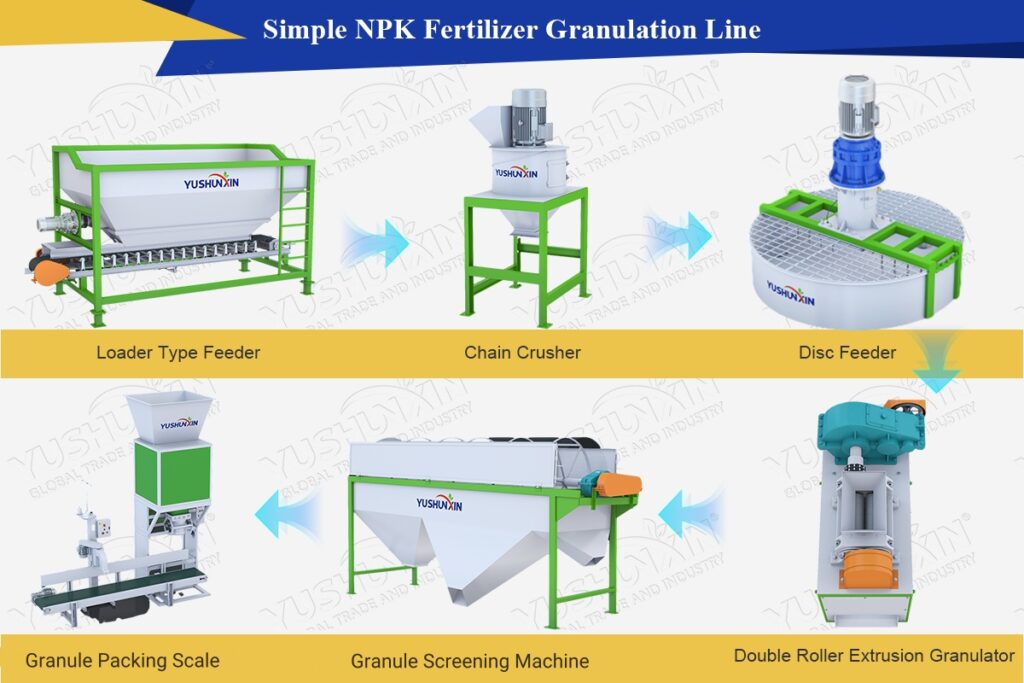
Modern lime fertilizer production lines combine several types of machinery to guarantee efficiency. A loader-type feeder ensures stable raw material supply, while a chain crusher reduces oversized lime rock into fine powder. A horizontal mixer creates balanced blending among limestone, gypsum, and other additives before extrusion. The double roller extrusion granulator acts as the core machine, pressing raw powders into compacted granules without external binders.

Rotary screening equipment then separates qualified pellets from undersized particles, while belt conveyors connect each procedure smoothly. An automatic packaging scale completes the process by ensuring precise bagging of finished products. These machines together create stable production procedures, with minimum labor demand and reduced energy consumption. For industries focusing on lime powder fertilizing particle preparation, such integrated machinery ensures efficient granulating performance and reliable product consistency.


Conclusion

Dry granulation technology provides clear benefits for lime-based fertilizer producers. Each raw material, whether limestone, lime powder, or dolomite, finds suitable transformation into high-quality fertilizer granules. The procedure reduces costs, saves energy, and ensures durable particles. Equipment innovation, including double roller extruders, screening systems, and automated packaging machinery, further strengthens process reliability.

The future of limestone fertilizer granulation lies in sustainable dry extrusion methods, which align with industrial demands for efficiency and environmental responsibility. As a professional fertilizer equipment manufacturer, Yushunxin continues to provide advanced dry granulation machinery and integrated lime fertilizer production solutions that support enterprises in achieving stable output and long-term competitiveness. You can visit: https://www.extruder-granulator.com/product/limestone-powder-granulation-machine/

What Is the Process of Compacting Lime Powder into Granules Using a Double Roller Press?

Lime powder, derived from limestone or lime rock, plays a crucial role in various industries due to its chemical properties. However, its fine texture can pose challenges in handling, transportation, and application. Converting lime powder into granules enhances its usability and efficiency, particularly in fertilizer production. The double roller press, a specialized machine, provides an effective solution by compacting lime powder into granules without the need for additives. Understanding this granulation process is essential for industries seeking to optimize the use of lime in their operations.

What Raw Materials Are Suitable for Fertilizer Production?

Fertilizer production relies on a variety of raw materials to meet different agricultural and industrial needs. Lime powder is a prime example, offering benefits such as soil pH adjustment and calcium enrichment. Other suitable materials include phosphate rock, which supplies phosphorus; potash minerals, providing potassium; and nitrogen sources like urea. Organic materials like compost and manure also serve as valuable inputs. Each raw material brings specific benefits: for instance, lime granules improve soil structure, while phosphate enhances root development. Selecting the appropriate raw materials ensures that the produced fertilizer meets the nutritional requirements of various crops and soils.

Making Rock Phosphate, Limestone, And Dolomite Pellets by Dry Granulator

How Does the Double Roller Press Granulate Lime Powder?

The double roller press granulates lime powder through a dry extrusion process that compacts the powder into uniform granules. This granulation procedure begins with feeding the lime powder into the machine’s hopper. The powder then moves between two counter-rotating rollers equipped with matching indentations. As the rollers press together, they exert high pressure on the lime powder, causing it to compact and form granules of predetermined sizes and shapes. This method eliminates the need for moisture or binders, preserving the chemical integrity of the lime. The resulting granules exhibit excellent mechanical strength and are suitable for immediate use in fertilizer applications.

What Are the Key Features of the Machinery Used in Lime Powder Granulation?

The machinery involved in the lime powder granulation process includes several specialized equipment designed for efficiency and precision. A loader type feeder consistently supplies lime powder to the system, ensuring uninterrupted operation. A chain crusher may be utilized to break down any lumps in the powder, promoting uniformity. A horizontal mixer can blend the lime powder with other additives if necessary. The double roller extrusion granulator serves as the core machine, compacting the powder into granules through dry extrusion. Post-granulation, a rotary screening machine separates qualified granules from fines, which can be recycled back into the process. An automatic packaging scale then measures and packages the granulated product. Belt conveyors connect each piece of equipment, streamlining the entire production process.

Conclusion

The process of compacting lime powder into granules using a double roller press offers significant advantages for fertilizer manufacturing. It enhances the handling, storage, and application of lime, making it more effective for agricultural and industrial uses. The granulation process transforms fine lime powder into durable granules without compromising its chemical properties. Incorporating specialized machinery, such as loaders, crushers, mixers, granulators, and screening machines, ensures a seamless and efficient production line. For industries aiming to optimize their fertilizer production, partnering with an experienced equipment provider is essential. A professional fertilizer equipment manufacturer like Yushunxin can offer the expertise and machinery needed to achieve high-quality lime granulation. You can visit: https://www.extruder-granulator.com/product/limestone-powder-granulation-machine/

The Role of Double Roller Extrusion Granulators in Achieving 30 T/H NPK Pellet Production

In the fertilizer industry, achieving and maintaining high-quality NPK pellets is crucial for satisfying market demands and ensuring effective nutrient delivery to plants. Double roller extrusion granulators play a significant role in this process, especially when aiming for a production capacity of 30 tons per hour (TPH). This blog explores the impact of these machines on pellet quality, how they integrate with raw materials, and the essential features that enhance granular production.

What Raw Materials Are Ideal for NPK Fertilizer Production?

Successful NPK fertilizer production begins with selecting suitable raw materials. Common inputs for NPK fertilizers include urea, ammonium phosphate, potassium chloride, and calcium carbonate. Each of these materials offers unique benefits tailored to specific agricultural needs.

Urea serves as a primary nitrogen source, promoting robust vegetative growth in various crops. Ammonium phosphate combines nitrogen and phosphorus, supporting root development and flowering. Potassium chloride supplies essential potassium, vital for improving plant health and resilience against disease. Calcium carbonate can help regulate soil pH, contributing to overall soil health.

Understanding the specific benefits and requirements of these materials enables manufacturers to customize their formulations effectively. By addressing the unique needs of different sectors—such as horticulture, organic farming, and conventional agriculture—producers can optimize production processes and enhance the quality of the final NPK pellets.

How Do Double Roller Extrusion Granulators Optimize Granulation Processes?

Double roller extrusion granulators facilitate high-efficiency granulation by compressing raw materials under controlled pressure, resulting in high-density pellets without the need for binders or excessive moisture. This dry granulation method is particularly beneficial for producing uniform NPK pellets at a rate of 30 TPH.

Key features of double roller granulators enhance their effectiveness in pellet production. Adjustable roller pressure and speed allow operators to tailor the granulation process to specific raw material properties, achieving consistent granule size and density. Additionally, the incorporation of advanced feeding systems ensures a steady and uniform supply of materials, enhancing the quality of the outgoing pellets.

The granulation process involves compacting the raw materials through opposing rollers, which reduces energy consumption while producing strong, durable pellets. The resulting granules exhibit excellent flow properties, facilitating easy handling and application. This quality is essential for ensuring that the fertilizer reaches the intended destination without loss or damage.

Double Roller Granular NPK Fertilizer Production Line

What Additional Equipment Complements Double Roller Granulators in NPK Production?

Integrating the double roller extrusion granulator into a comprehensive NPK production line requires consideration of complementary equipment. Key machines that enhance the granulation process include loaders, mixers, crushers, and screening machines.

  1. Loader Type Feeder: This equipment ensures that raw materials flow consistently into the production line, which minimizes blockages and enhances overall operational efficiency.
  2. Crain Crusher: A crain crusher reduces raw materials to the appropriate particle size, allowing for better mixing and granulation. Proper particle size is critical for achieving uniform granules and minimizing dust production.
  3. Horizontal Mixer: A horizontal mixer ensures uniform blending of raw materials, promoting an even nutrient distribution in the final product. This uniformity is necessary for consistently high-quality pellets.
  4. Rotary Screening Machine: After granulation, the rotary screening machine separates oversized and undersized particles, ensuring that only perfectly-sized pellets enter the market. This step is crucial for maintaining product quality and consistency.
  5. Automatic Packaging Scale: Efficient packaging processes support the transition from production to distribution. An automatic packaging scale ensures quick and accurate filling, contributing to a streamlined operation.
  6. Belt Conveyors: Conveyors facilitate the smooth movement of materials between different stages of production, optimizing workflow and minimizing labor costs.

How Do Maintenance and Operational Practices Affect Pellet Quality?

While equipment selection plays a vital role, maintaining machinery and implementing sound operational practices also significantly influence NPK pellet quality. Regular maintenance routines for machines, such as double roller extruders and other associated equipment, ensure that they operate at peak performance. Optimizing equipment settings based on specific raw material properties can also lead to improved granulation outcomes.

Moreover, investing in operator training enhances equipment utilization and boosts granule quality. Well-trained staff can identify potential issues in the production line, quickly addressing them to minimize downtime and production losses. Implementing quality control measures throughout the production process enables manufacturers to maintain high standards for their NPK pellets.

Conclusion

Double roller extrusion granulators significantly enhance the granulation process, making them essential for achieving high-quality NPK fertilizer pellets at a capacity of 30 TPH. By focusing on optimal raw material selection and integrating robust machinery into the production line, producers can maintain uniformity and quality in their final products.

Investing in high-quality equipment and maintenance strategies, along with thorough training for personnel, will ensure the long-term success of fertilizer production efforts. Manufacturers seeking to optimize their NPK pellet production can explore tailored solutions from experienced industry partners. Collaborating with professionals in the fertilizer equipment field allows for improved efficiency, enhanced product quality, and a competitive edge in the market. You can visit:https://www.extruder-granulator.com/30-t-h-roller-press-granulation-production-line/

What Are The Cost-benefit Considerations for Investing in A 10 T/H NPK Granulation Line?

What Raw Materials Are Suitable for This Extrusion Granulation Line?

When assessing the investment in a 10 t/h NPK granulation line, it is crucial to consider the types of raw materials you will use. Common raw materials include urea, ammonium nitrate, ammonium sulfate, monoammonium phosphate (MAP), diammonium phosphate (DAP), and potassium chloride. Each of these materials serves specific needs across different industries.

In the agricultural sector, urea and ammonium sulfate enhance nitrogen supply, vital for crop growth. Monoammonium phosphate and diammonium phosphate are essential for providing phosphorus, which is crucial for root development. Potassium chloride is indispensable in ensuring plants receive adequate potassium, vital for overall plant health and resistance to diseases. Each of these materials, when processed through the extrusion granulation line, transforms into high-quality NPK fertilizers, offering balanced nutrient distribution.

NPK Materials for Double Roller Extruder

What Are the Benefits of the Granulation Line for Each Industry?

The granulation line offers distinct benefits to various industries. In agriculture, the use of NPK granules promotes efficient nutrient use, reducing the need for frequent applications and labor. This efficiency translates to cost savings and increased crop yields.

In the industrial sector, particularly in the production of specialty fertilizers, the 10 tph NPK fertilizer granulation line ensures uniform granule size, which is critical for consistent product quality. For the horticulture industry, customized NPK formulations produced by the granulation line meet specific plant nutrient requirements, leading to healthier plants and higher market value.

What Are the Specific Machine Features to Consider?

Key features of the equipment in the granulation line include the loader type feeder, which ensures continuous and consistent feeding of raw materials. The crain crusher efficiently reduces the size of raw materials, preparing them for further processing. The horizontal mixer achieves uniform mixing of different raw materials, ensuring homogenous granulation.

The double roller extrusion granulator, renowned for its press and compacting capabilities, plays a pivotal role in forming granules. The rotary screening machine sorts the granules by size, ensuring uniformity and quality. The automatic packaging scale offers precise packaging, reducing waste and ensuring accurate product weights. Lastly, belt conveyors facilitate seamless material transfer between different stages, enhancing overall process efficiency.

Simple NPK Fertilizer Granulation Line

Why Is Equipment Quality Important?

High-quality equipment is essential for ensuring the longevity and reliability of the granulation line. Investing in durable materials and advanced technology reduces maintenance costs and downtime. For instance, the double roller extrusion granulator, made with wear-resistant materials, extends the equipment’s lifespan, providing long-term cost savings.

Moreover, precision in the equipment’s operation ensures consistent product quality. This consistency is vital for maintaining customer trust and securing long-term contracts. The integration of automation, such as in the automatic packaging scale, not only improves accuracy but also enhances operational efficiency, further reducing labor costs.

How Does One Choose the Right Manufacturer?

Selecting a reputable manufacturer is paramount for ensuring the granulation line’s performance and reliability. A professional fertilizer equipment manufacturer like Yushunxin offers expertise in designing and manufacturing comprehensive fertilizer production lines. Yushunxin provides tailored solutions that meet specific industry needs, ensuring optimal performance and efficiency.

In conclusion, investing in a 10 t/h NPK granulation line involves careful consideration of raw materials, specific industry benefits, equipment features, and the quality of the machinery. By choosing a reliable manufacturer, businesses can achieve significant cost savings, enhanced product quality, and improved operational efficiency. You can visit: https://www.extruder-granulator.com/10-t-h-npk-fertilizer-granulation-line/

How to use double roller extrusion equipment to produce granules

Double roller extrusion equipment is a type of granulation machine that is used to produce granules from powder materials. It is commonly used in the chemical, pharmaceutical, and food industries. In this passage, we will discuss how to use double roller extrusion equipment to produce granules.

Introduction to Double Roller Extrusion Equipment
Double roller extrusion equipment consists of two rollers that rotate in opposite directions. The powder material is fed into the gap between the rollers, where it is compressed and extruded into granules. The granules are then collected and dried to remove any residual moisture.

Preparation of Raw Materials
Before using the double roller extrusion equipment, it is essential to prepare the raw materials. The powder material should be of uniform size and free from any impurities. If necessary, the powder can be sieved to remove any large particles. It is also important to ensure that the powder is dry, as moisture can affect the granulation process.

Setting up the Equipment
Once the raw materials are prepared, the next step is to set up the equipment. The rollers should be adjusted to the desired gap size, which will determine the size of the granules. The speed of the rollers should also be adjusted to ensure that the granules are formed at the correct rate.

Feeding the Material
The powder material is then fed into the gap between the rollers. This can be done manually or using a feeder system. The feeder system ensures that the material is fed at a consistent rate, which is important for producing uniform granules. Click here to get more details.

Extrusion Process
As the powder material is fed into the gap between the rollers, it is compressed and extruded into granules. The pressure and speed of the rollers can be adjusted to produce granules of different sizes and densities.

Collection and Drying
After the granules are formed, they are collected and dried to remove any residual moisture. This is important to ensure that the granules are stable and have a long shelf life.

Quality Control
It is essential to perform quality control checks on the granules to ensure that they meet the required specifications. This may include checking the size, density, and moisture content of the granules. If you want to know extrusion granultor plant cost, please contact us.

Conclusion
In conclusion, double roller extrusion equipment is a versatile tool for producing granules from powder materials. By following the steps outlined in this passage, you can use this equipment to produce high-quality granules for your specific application. Visiting: https://www.granulatorforfertilizer.com/double-roller-granulator/

How to Produce Limestone Powder Granules?

In the realm of industrial production, the transformation of limestone powder into granules is a process that holds substantial significance. This operation not only facilitates easier handling and application of the material but also enhances its utility in various sectors. This discussion delves into the methodologies and machinery involved in this conversion, aiming to provide a thorough understanding for those interested in establishing an efficient production line.

Understanding the Raw Material: Limestone Composition and Preparatory Steps

Before embarking on the granulation process, one must recognize the characteristics of the primary raw material: limestone. Predominantly composed of calcium carbonate (CaCO3), limestone possesses qualities that necessitate specific preparatory measures. Initial processing involves pulverization to achieve a fine powder state, which serves as the baseline for subsequent granulation. Pre-treatment may also include moisture adjustment and segregation of impurities to ensure an optimal starting material for granulation.

Making Rock Phosphate, Limestone, And Dolomite Pellets by Dry Granulator

The Role of Granulation Equipment in Limestone Powder Processing

Central to the transformation of limestone powder into granules is the deployment of sophisticated equipment. A pivotal machine in this operation is the double roller extrusion granulator, which employs dry granulation technique—bypassing the need for binder materials. This machine exerts pressure on the limestone powder, compacting it into uniform granules. The significance of this equipment lies in its efficiency and ability to produce granules with consistent size and shape, which are crucial for the material’s subsequent applications.

Why Incorporate a Horizontal Mixer and Vertical Crusher in Your Production Line?

For a production line aiming at superior quality limestone granules, the inclusion of a horizontal mixer and a vertical crusher becomes indispensable. The horizontal mixer ensures thorough blending of limestone powder before granulation, promoting uniformity in the final product. On the other hand, the vertical crusher plays a crucial role in size reduction and homogenization of the raw material. These machines, when combined, contribute to a streamlined process flow, enhancing the overall efficiency and output quality of the granulation line.

Simple NPK Fertilizer Granulation Line

Enhancing Production Line Efficiency: The Importance of Equipment Selection

Selecting the appropriate machinery is paramount for achieving an optimal production line for limestone granules. Equipment such as double roller extrusion granulators, horizontal mixers, and vertical crushers should be chosen based on their performance, durability, and compatibility with the limestone processing requirements. Furthermore, attention should be given to the scalability and flexibility of the equipment to accommodate future expansion needs and variability in production demands.

Conclusion

The journey from limestone powder to granules involves meticulous planning, understanding of the material properties, and the strategic deployment of specialized equipment. By prioritizing the selection of high-performance machinery and adhering to best practices in material preparation and process execution, one can establish a robust production line. It is in this context that Yushunxin emerges as a professional manufacturer of fertilizer equipment, offering solutions that cater to the intricate needs of limestone granulation. Their expertise and product offerings represent a valuable asset for those aspiring to excel in the production of limestone granules. You can visit: https://www.extruder-granulator.com/limestone-powder-granulation-machine/

How to Produce NPK Dry Granules?

To make NPK dry granules, a specialized process must be followed. This post aims to guide you through the steps necessary to produce high-quality NPK dry granules in a concise and professional manner. By following these guidelines, you will be able to optimize the nutrient content and physical properties of the granules, ensuring their effectiveness in agricultural applications.

Part 1: Machine Features and Raw Materials Examples

In the realm of NPK dry granule production, the double roller extrusion granulator emerges as a pivotal piece of equipment. Engineered for efficiency and durability, this machine leverages high pressure to compact raw materials into granules, without necessitating the addition of a liquid binder. Its design is characterized by two parallel rollers that exert immense pressure on the input material, thus facilitating the granulation process.

The raw materials suited for this process encompass a broad spectrum, including, but not limited to, urea, ammonium nitrate, potassium chloride (MOP), and phosphate fertilizers like DAP and MAP. These materials serve as the fundamental building blocks for NPK fertilizer production, each contributing essential nutrients required for healthy plant growth.

NPK Materials for Double Roller Extruder

Part 2: Configuring an Efficient Production Line

For an NPK dry granule manufacturing line to reach its peak performance, the orchestration of a complete and efficient production line is non-negotiable. Beyond the critical role of the double roller extrusion granulator, incorporating supplementary equipment is paramount. A dynamic batching machine ensures precise ingredient measurement, crucial for maintaining the desired nutrient composition. The horizontal mixer guarantees a homogeneous mixture of the raw materials, a crucial step before granulation. Meanwhile, the vertical crusher plays a pivotal role in size reduction, preparing raw materials for effective granulation. Collectively, these components synergize to optimize production efficiency, minimize waste, and enhance product quality.

Simple NPK Fertilizer Granulation Line

Part 3: Granulation Process Explained

The granulation process is a methodical sequence that metamorphoses raw materials into the coveted NPK dry granules. Initially, raw materials undergo a thorough blending process to ensure a uniform mixture. Subsequently, this mixture is fed into the double roller extrusion granulator, where it is compacted under high pressure between two rollers, forming a dense sheet of material. This sheet is then broken down into uniform granules. Each stage of the process is meticulously designed to preserve the chemical integrity of the nutrients while achieving the desired physical properties of the granules, such as size, shape, and hardness. This systematic approach ensures the production of high-quality granules optimized for agricultural use.

Click here for more details.

Part 4: Advantages of NPK Dry Granulation

NPK dry granulation stands out as a superior method for fertilizer production, offering a plethora of advantages. Economically, it reduces the need for binders and solvents, lowering production costs. From an environmental perspective, the dry granulation process minimizes the emission of harmful gases and reduces water usage, contributing to more sustainable manufacturing practices. Agriculturally, NPK dry granules provide plants with nutrient-rich, easily absorbable fertilizers that support robust growth and yield. These granules’ improved nutrient content and slow-release properties enhance soil fertility and plant health. Opting for NPK dry granulation thus aligns with economic efficiency, environmental stewardship, and agricultural productivity.

Conclusion

In conclusion, the production of NPK dry granules requires careful consideration of various factors, including machine selection, raw materials, and process optimization. By following this comprehensive guide, you can effectively produce high-quality NPK dry granules for various agricultural applications. As a professional fertilizer equipment manufacturer, Yushunxin is dedicated to providing excellent machinery and expertise in the field of granulation. You can visit: https://www.extruder-granulator.com/npk-dry-granulator/

How to Make NPK Granules?

NPK granules play a crucial role in the agricultural industry by providing plants with the essential nutrients needed for growth. NPK stands for Nitrogen, Phosphorus, and Potassium, the three key components in fertilizers. Let’s explore the different methods of producing NPK granules and highlight the advantages of each technique.

Wet Granulation Technology

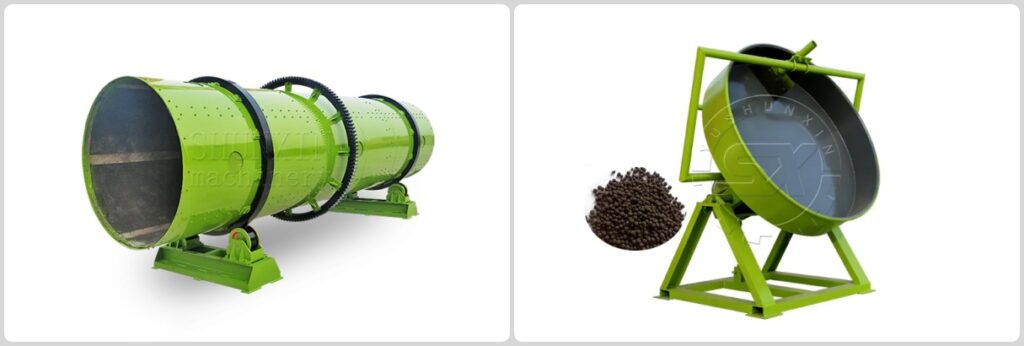
Among the various methods available, wet granulation is one of the most widely used approaches for NPK granule production. This process involves combining NPK raw materials with water to form a wet mixture. The mixture is then passed through a granulator, where it is shaped into granules. Two common types of granulators utilized in this process are the drum granulator and the disc granulator.

NPK Fertilizer Granulators

The drum granulator features a large rotating drum that applies a tumbling action to form the granules. On the other hand, the disc pelletizer utilizes a spinning disc to achieve the same result. Both machines are highly efficient and capable of producing high-quality NPK granules. Notably, Shunxin’s NPK granulation machines are specifically designed to handle the wet mixture and shape it into uniform-sized granules.

Dry Granulation Technology

Dry granulation technology, in contrast, involves compacting the raw materials without the addition of liquid. This method is particularly suitable for materials that are sensitive to moisture or heat. SX double roller press granulator is a perfect choice for NPK dry granulation. This granulator employs two rollers that press the material into a sheet or ribbon. The sheet is then broken down into granules through a process known as extrusion. The press granulator operates with great efficiency and produces granules with uniform size and shape.

The selection between wet and dry granulation methods depends on several factors, including the characteristics of the raw materials, desired granule properties, and production scale. Regardless of the chosen method, Shunxin’s NPK granulation technlogy are versatile and capable of meeting the requirements of both small and large-scale production. These machines are designed with user-friendliness in mind, featuring easy-to-use controls and maintenance-friendly attributes.

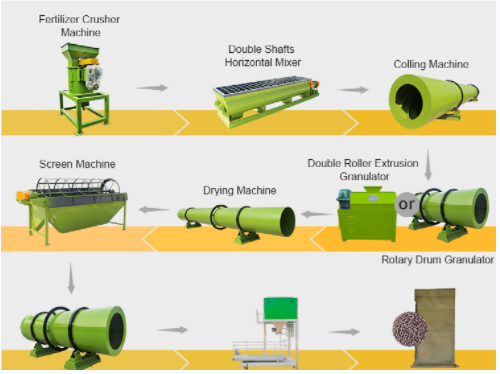
In addition to the granulation machines, Shunxin offers a comprehensive range of equipment that can be used in the production of NPK granules. This includes static batching machines, double shaft mixers, rotary screening machines, packing machines, and palletizer robots. These machines work in harmony to create a complete and efficient production line that ensures reliability and cost-effectiveness.

NPK Granulation Process

In conclusion, the production of NPK granules is a vital process in the agricultural industry, providing plants with essential nutrients for growth. Shunxin’s advanced technology and user-friendly design make wet and dry granulation machines the perfect choices for producing high-quality NPK granules. Whether you’re a small-scale farmer or a large-scale fertilizer producer, Shunxin has the equipment you need to succeed. For more details, please visit this link: https://www.fertilizerproductequipment.com/npk-fertilizer-production-technology/