Compost Round Granule Making: Key for Producing Uniform Organic Fertilizer Pellets

Producing high-quality organic fertilizer is not only about nutrient content, but also about particle size, shape, and consistency. In today’s fertilizer market, farmers and distributors prefer pellets that are easy to store, transport, and apply. This is why compost round granule making has become an important step in modern organic fertilizer manufacturing. Uniform pellets improve both product appearance and practical performance, helping producers enhance their competitiveness.

Why Round Granules Matter

Compared with irregular powder or uneven pellets, round granules offer better flowability and a more professional appearance. They are less likely to create dust during packaging and transportation, which improves the working environment and reduces material loss. In addition, uniform pellets can support more balanced application in the field, making them more attractive to end users.

For compost-based fertilizer producers, the goal is usually to turn fermented organic materials into stable, marketable pellets. This transformation often depends on the right granulation technology and suitable moisture control. A reliable spherical granule fertilizer machine can help manufacturers produce pellets with smoother surfaces and more consistent sizes, which is especially important for commercial sales.

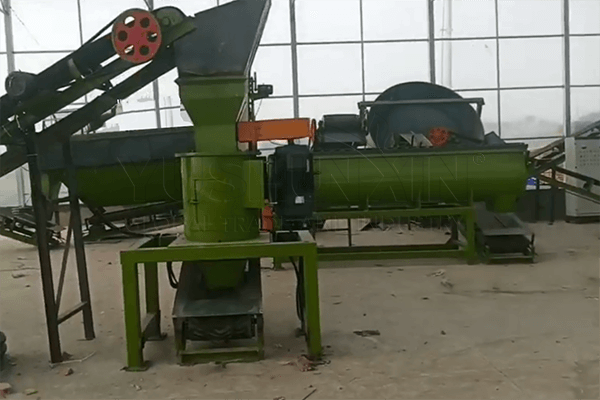
round ball compost granulators

Key Steps in Granule Production

The success of pellet manufacturing depends on a clear and efficient round shape fertilizer granules production process. First, compost raw materials such as animal manure, agricultural waste, or bio-organic residues need to be fully fermented. Proper fermentation reduces odor, eliminates harmful pathogens, and improves the stability of the material.

After fermentation, the compost is usually crushed into fine powder and screened to remove oversized particles. The material is then mixed with any additional nutrients or binders if needed. Once prepared, it enters the granulation stage, where the powder is formed into small pellets. After granulation, the pellets may go through drying, cooling, screening, and coating before final packaging. Each step contributes to creating a finished product that meets market requirements.

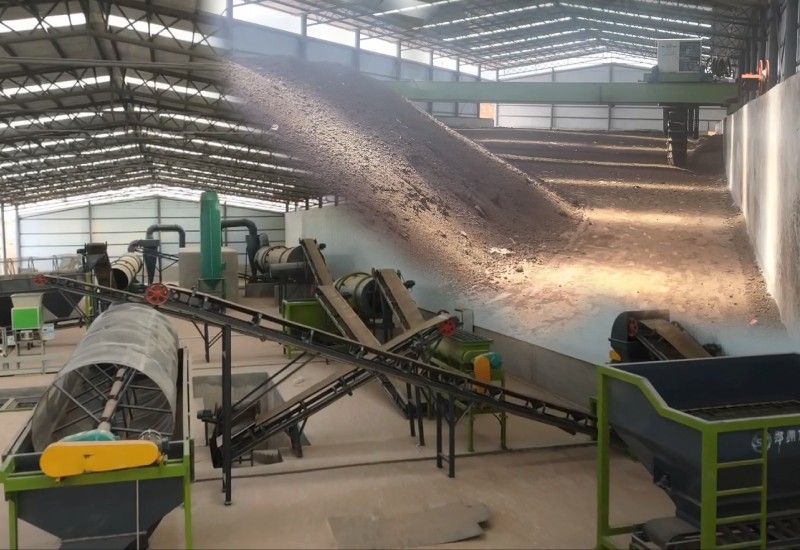
organic fertilizer spherical granule manufacturing plant setup

Equipment Selection and Investment

Choosing the right machine has a direct impact on product quality and long-term efficiency. During fertilizer round granule making, producers should consider raw material characteristics, moisture content, target capacity, and final granule size. Equipment with stable operation and easy maintenance can significantly improve production continuity.

Many investors are also concerned about spherical granule fertilizer machine cost, which can vary depending on machine model, output capacity, material quality, and automation level. While budget is important, it is equally necessary to evaluate energy consumption, wear resistance, and after-sales service. A lower initial price may not always mean better value in the long run.

Market Opportunities for Organic Fertilizer Projects

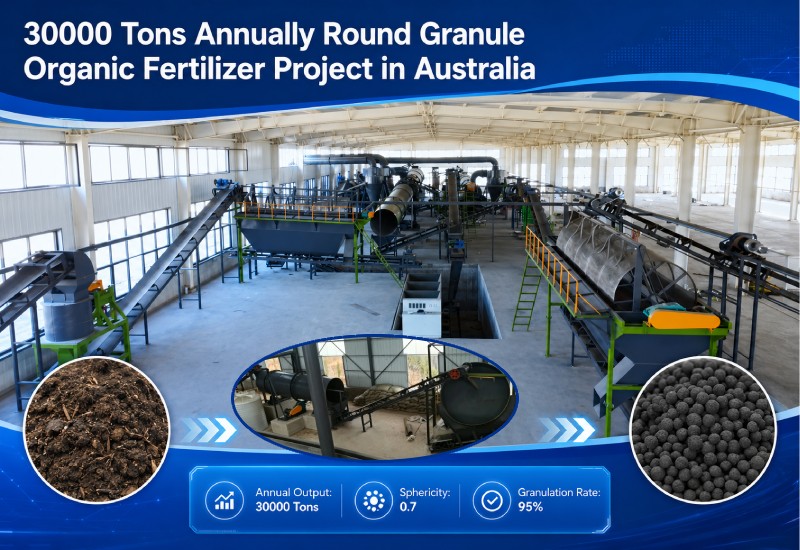
As sustainable agriculture continues to grow worldwide, the demand for organic fertilizer pellets is increasing. Producers looking to start round granule organic fertilizer project in Australia may find strong opportunities due to rising environmental awareness and the development of eco-friendly farming practices. Compost-based pellet fertilizer can match the needs of growers who want efficient nutrient delivery with better handling performance.

Conclusion

Compost round granule making plays a key role in producing uniform organic fertilizer pellets that meet modern market expectations. With the right production process, proper equipment, and a clear investment strategy, manufacturers can create high-value products for agricultural use. Round granules are not only easier to manage but also help improve product image and customer satisfaction in a competitive fertilizer industry. If you are interested in the project, you can visit https://www.granulatedcompostsolutions.com/product/round-ball-compost-pellet-machine/

How to Purchase an Organic Fertilizer Pellet Machine

In the burgeoning field of sustainable agriculture, organic fertilizers are becoming increasingly popular due to their environmental benefits and effectiveness in improving soil health. As demand grows, so does the interest in efficient production methods, leading many to consider investing in an organic fertilizer pellet machine. Purchasing the right machine can significantly impact your production efficiency, product quality, and return on investment. Here’s a comprehensive guide to help you make an informed decision when purchasing an organic fertilizer pelleting machine.

1. Understand Your Production Needs

Before diving into the purchase, clearly define your production goals. Consider factors such as the scale of your operation, the types of raw materials you plan to use, and the desired production capacity. Understanding these parameters will guide you in selecting a machine that aligns with your specific needs, ensuring organic fertilizer granulation plan with optimal performance and cost efficiency.

2. Evaluate Machine Types

There are several types of organic fertilizer granule making machine available on the market, each with distinct features and benefits. The two main types are flat die and ring die pellet machines. Flat die machines are typically used for small to medium-scale production and are more affordable, making them suitable for startups or smaller operations. Ring die machines, on the other hand, are ideal for larger-scale production due to their higher capacity and efficiency, though they come with a higher price tag. Evaluating the pros and cons of each type in relation to your needs is crucial. Go here for more details.

3. Quality and Durability

Investing in a high-quality machine is essential for long-term success. Look for machines constructed from durable materials that can withstand the demands of production. Stainless steel components are often preferred for their resistance to corrosion and wear. Additionally, research the manufacturer’s reputation, seek user reviews, and consider warranties or guarantees offered, as these are indicative of the machine’s reliability and the manufacturer’s confidence in their product.

4. Energy Efficiency

Energy costs can significantly impact operating expenses, so selecting an energy-efficient granular organic fertilizer machine is crucial. Look for machines designed to minimize energy consumption without compromising output. Energy-efficient machines not only reduce operational costs but also align with sustainable production practices, a growing concern in today’s eco-conscious market.

5. Ease of Maintenance and Operation

A machine that is easy to operate and maintain can save time and reduce the likelihood of operational disruptions. Consider machines with user-friendly interfaces and designs that allow for easy access to components for maintenance and cleaning. Additionally, availability of spare parts and manufacturer support for troubleshooting can ensure minimal downtime.

6. Cost Considerations

While it might be tempting to opt for the cheapest option, it’s important to consider the long-term implications. A higher initial investment in a quality machine can lead to lower operational costs of organic fertilizer making, fewer repairs, and a longer lifespan. Create a budget that balances upfront costs with potential savings and increased efficiency over time.

7. After-Sales Support

Reliable after-sales support is crucial for ensuring your machine operates effectively over its lifetime. This includes access to technical support, training for your staff, and availability of replacement parts. Prioritize manufacturers known for robust customer service and support networks. Such as YUSHUNXIN fertilizer equipment manufacturer.

8. Compliance with Standards

Ensure that the machine complies with local and international standards for safety and environmental impact. Compliance not only ensures safe operation but also aligns with regulatory requirements, reducing the risk of legal issues.

In conclusion, purchasing an organic fertilizer pellet machine is a significant investment that requires careful consideration of various factors. By thoroughly evaluating your needs, researching the market, and prioritizing quality and efficiency, you can select a machine that enhances your production capabilities and supports your business’s growth in the sustainable agriculture sector. If you are inetested in the machine, you can visit https://www.fertilizerbusinessplan.com/organic-fertilizer-pellet-making-machine/

How to Choosing the Right Fertilizer Machine for Chicken Litter Compost Pellets Processing

As the agricultural sector continues to seek sustainable and efficient ways to enhance soil health and crop productivity, the conversion of chicken litter compost into organic fertilizer pellets has gained significant traction. This organic fertilizer not only enriches the soil but also presents a viable recycling solution for poultry waste. However, to efficiently transform chicken litter into high-quality compost pellets, selecting the right fertilizer machine is crucial. This article provides insights into the key considerations when choosing a fertilizer machine for chicken litter compost pellet processing.

Understanding the Process

The process of converting composted chicken litter into fertilizer pellets involves several stages, including crushing, mixing drying, pelletizing, cooling, and packaging. Each stage requires specific machinery to ensure efficiency and product quality.

Key Considerations for Machine Selection

When you plan to buy chicken manure compost pellet machines, there are some considerations are important.

1. Capacity Requirements

The first step in choosing a chicken litter compost fertilizer granulation machine is understanding your production needs. Consider the volume of chicken litter you intend to process on a daily or monthly basis. Machines come in various capacities, from small-scale units suitable for local chicken farms to large industrial systems. Ensure the machine’s capacity aligns with your operational scale of chicken manure fertilizer granules making to prevent bottlenecks in production.

2. Composting Technology

Efficient composting is critical for the conversion of chicken litter into nutrient-rich organic matter. Look for machines that offer controlled aerobic composting, which ensures the breakdown of organic matter with adequate oxygen supply. Some machines come with built-in turning systems to enhance aeration and speed up the chicken manure composting process.

3. Pelletizing Equipment

The pelletizing stage shapes the compost into uniform pellets, making them easy to distribute and apply. Choose a pellet mill that can handle the specific properties of chicken litter, which may include variable moisture content and particle size. Rotary drum granulator are often recommended for their durability and large capacity. More details.

4. Moisture Control and Drying

Proper moisture content is essential for pellet formation and durability. Machines equipped with drying systems can help reduce the moisture level of compost to the optimal range for pelletizing. Consider dryers that offer energy efficiency and uniform drying to maintain the quality of the end product.

5. Energy Efficiency

Given the energy-intensive nature of the composting and pelletizing process, energy efficiency is a critical factor. Investing in machinery that requires less energy can significantly reduce operational costs and contribute to sustainability goals. Look for machines with energy-saving features or those that can be integrated with renewable energy sources.

6. Ease of Operation and Maintenance

Machines with user-friendly interfaces and straightforward maintenance requirements can save time and reduce labor costs. Opt for equipment that offers automated controls and easy access for cleaning and part replacement. Additionally, consider the availability of local technical support and replacement parts.

7. Cost and Budget Considerations

While it’s tempting to opt for the most technologically advanced machinery, it’s essential to balance features with budget constraints. Consider the initial investment alongside long-term operational costs of chicken litter compost granulation machines, including maintenance and energy consumption. Look for machines that offer the best return on investment over time.

Conclusion

Choosing the right fertilizer machine for processing chicken litter into compost pellets is a critical decision affecting production efficiency, product quality, and overall sustainability. By considering factors such as capacity, composting technology, pelletizing capabilities, energy efficiency, and cost, producers can make informed decisions that align with their operational goals and environmental responsibilities. Investing in the right equipment not only enhances agricultural productivity but also supports sustainable waste management practices. If you are interested in the project, you can visit https://www.granulatedcompostsolutions.com/product/chicken-manure-compost-pellets-production-solution/

Why Round Ball Pellets production Are the Future of Compost Fertilizers

As the world increasingly turns to sustainable agricultural practices, the demand for efficient, eco-friendly fertilization solutions is on the rise. One promising innovation in this space is the production of round ball compost fertilizer pellets. This method not only optimizes the application of compost but also enhances its benefits, positioning it as a key player in the future of sustainable agriculture.

Round ball fertilizer pellets prepared from organic compost, offer a host of advantages over traditional compost application methods. Firstly, their uniform shape and size make them easy to handle, transport, and apply. This convenience is particularly beneficial for farmers and gardeners who seek to streamline their fertilization processes without compromising on quality. The pellets can be distributed evenly across fields, ensuring a consistent release of nutrients that promotes robust plant growth.

Moreover, the pelletizing process enhances the nutrient density of the compost. By compressing compost into round fertilizer granules, the concentration of nutrients increases, which means that smaller quantities can deliver the same, if not greater, nutritional benefits to plants compared to loose compost. This efficiency translates into cost savings for users, as less product is needed to achieve desired results. Click here to learn more.

Environmental considerations also underscore the importance of round ball pellets in the future of compost fertilizers. The pellet form minimizes dust and reduces nutrient runoff, which can be a significant issue with traditional aerobic fermentation product. This not only protects waterways from contamination but also ensures that valuable nutrients remain in the soil where they are needed most.

In conclusion, the production of round ball pellets from compost fertilizers represents a significant advancement in sustainable agriculture. By combining ease of use, enhanced nutrient delivery, and environmental protection, these pellets offer a promising solution for farmers and gardeners seeking to adopt more sustainable practices. As awareness and technology continue to evolve, round ball pellets are poised to become a staple in the future of eco-friendly fertilization. If you plan to start the project, you can visit https://www.granulatedcompostsolutions.com/product/round-ball-compost-pellet-machine/

What Machines Are Needed In Compost Pellet Making

In the quest for organic fertilizer making, the compost pellet production machines emerge as a pivotal innovation. These machines transform organic waste into nutrient-rich pellets, offering an environmentally friendly solution to traditional synthetic fertilizers. Let’s delve into the workings, benefits, and impact of compost pellet making machines on modern agriculture.

Understanding the Compost Pellet Making Machine

A compost pellet machine is designed to convert organic materials such as animal manure, food waste, and plant residues into compact, uniform pellets. The process begins on the basis of organic compost making. This compost is fed into the pellet machine, which uses pressure or liquid cohension to form the material into small, dense pellets.

Key Components and Process

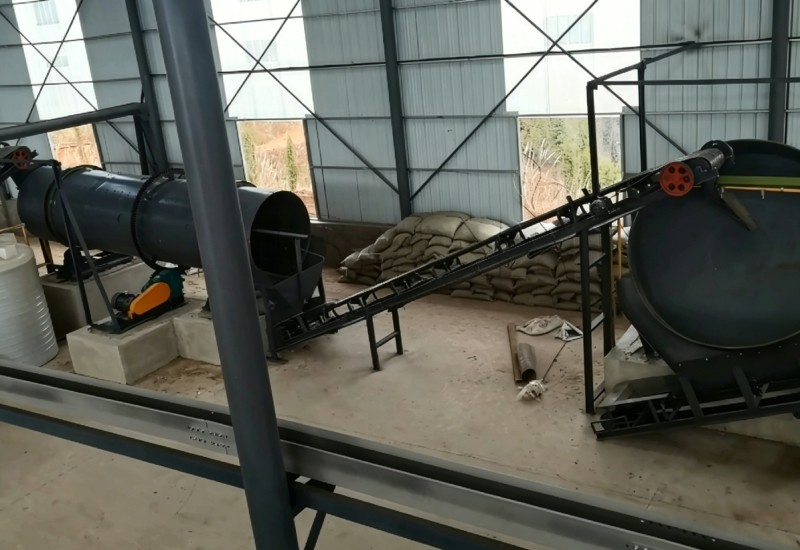
In general, compost pellet making process contains equipment as follows.

1. Crusher: Breaks down larger pieces of organic waste into a manageable size.
2. Mixer: Ensures an even distribution of moisture and nutrients.
3. Granulator: Make the compost into pellets. There are various compost granulating machines for your choice. large or small scale, for wet or dried compost pelleting, etc Click here for more information.
4. Dryer: Reduces the moisture content of the pellets to enhance storage stability.
5. Cooler: Lowers the temperature of the pellets post-drying to prevent clumping.
6. Screening Machine: Separates qualified pellets from fines, ensuring uniform size.

Advantages of Compost Pellets

There are reason why dispose of composted organic fertilizer into pellets.

1. Nutrient-Rich and Balanced Fertilizer: Compost pellets provide essential nutrients such as nitrogen, phosphorus, and potassium, promoting healthy plant growth.
2. Improved Soil Structure: Regular application of compost pellets enhances soil aeration, water retention, and microbial activity.
3. Environmental Sustainability: By recycling organic waste, compost pellet machines reduce landfill usage and greenhouse gas emissions.
4. Cost-Effective: Utilizing on-farm waste reduces the need for expensive commercial fertilizers.
5. Ease of Application: Pellets are easy to handle and apply uniformly using standard farming equipment.

Impact on Modern Agriculture

The adoption of compost pellet making machines is revolutionizing sustainable agricultural practices. Farmers and agricultural businesses are increasingly recognizing the value of turning organic waste into a resource rather than a liability. This shift not only enhances soil health and crop yields but also contributes to a more sustainable and resilient food system.

Government policies and incentives are further encouraging the adoption of organic fertilizers, aligning with global goals to reduce chemical fertilizer use and promote organic farming. The scalable nature of compost pellet machines makes them suitable for a range of operations, from small family farms to large agribusinesses. If you need the machine, you can visit https://www.granulatedcompostsolutions.com/product/compost-granulating-machine/
Conclusion

Compost pellet making machines are at the forefront of the sustainable agriculture movement. By converting organic waste into valuable fertilizer, these machines offer a practical and eco-friendly solution to improve soil health, increase crop productivity, and reduce environmental impact.