Нужно ли дробить компостированный коровий навоз перед грануляцией?

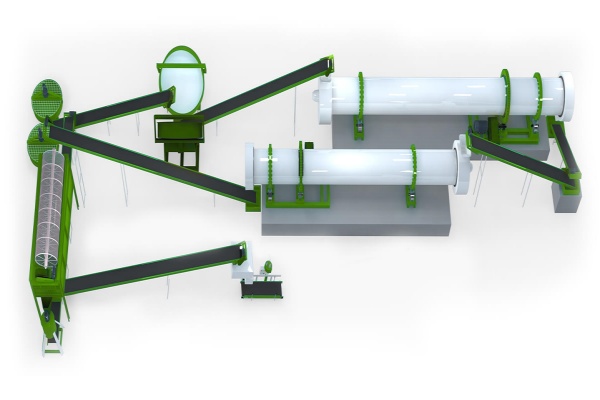
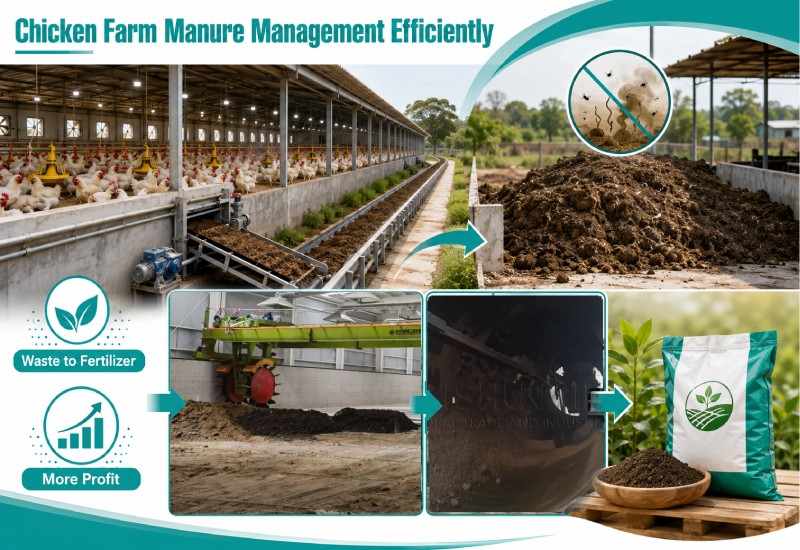
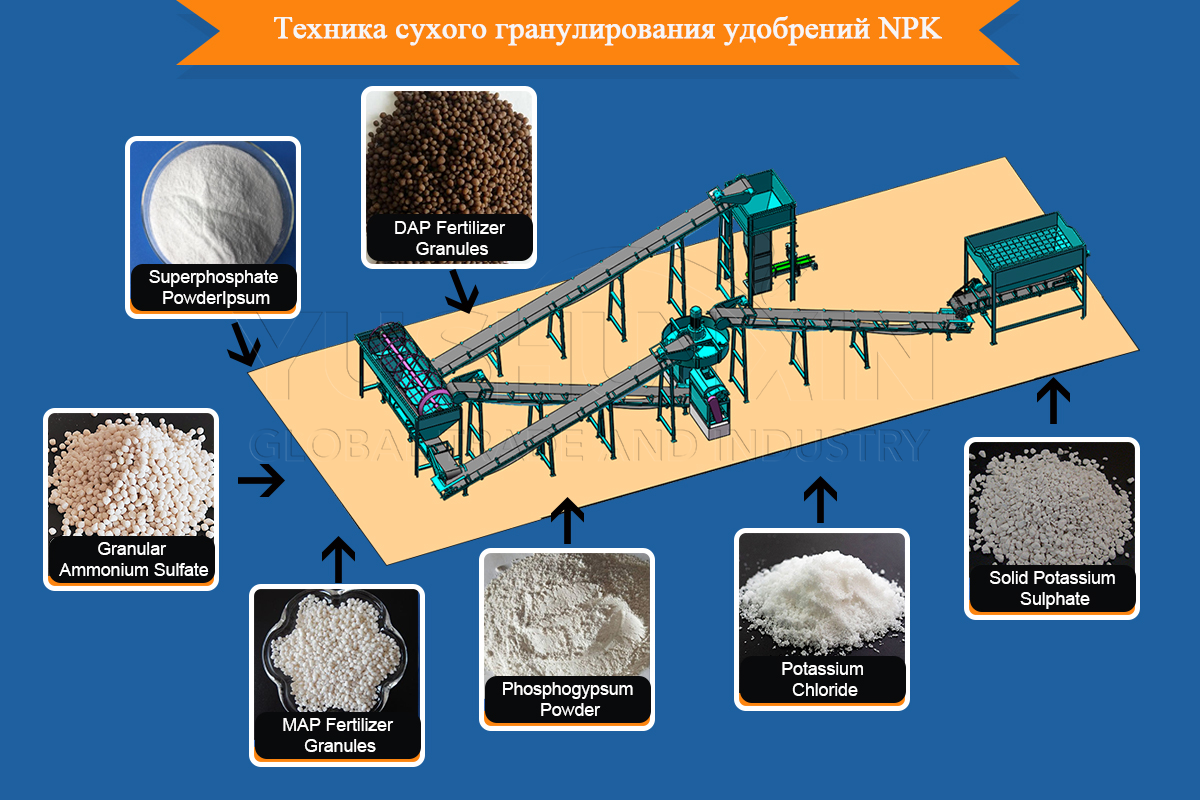
Производство удобрений объединяет выбор сырья, технологического оборудования и организации линии гранулирования. Производитель удобрений оценивает производственную задачу, сравнивает оборудование для производства удобрений и определяет состав технологической линии. Материалы страницы «Коровий навоз как удобрение — оборудование и линия» помогают рассмотреть тему «Нужно ли дробить компостированный коровий навоз перед грануляцией» с точки зрения завода, который планирует стабильный выпуск продукции. Нужно ли дробить компостированный коровий навоз перед грануляцией позволяет заказчику производственной линии сопоставить комплектацию, мощность и технологические решения до начала проекта.
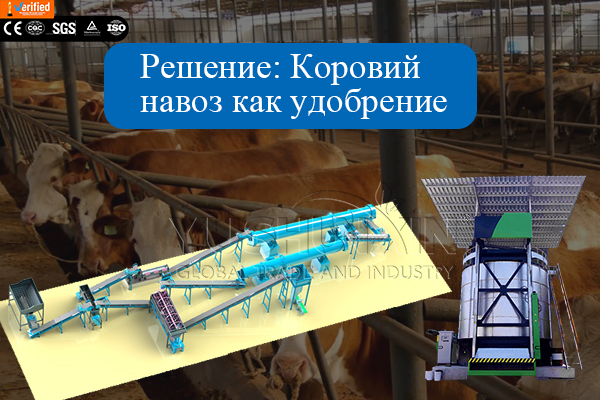
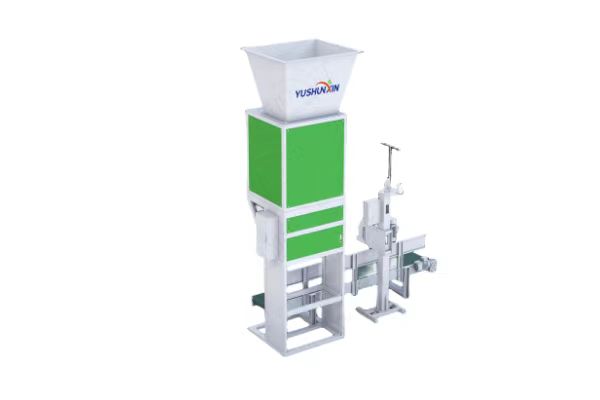
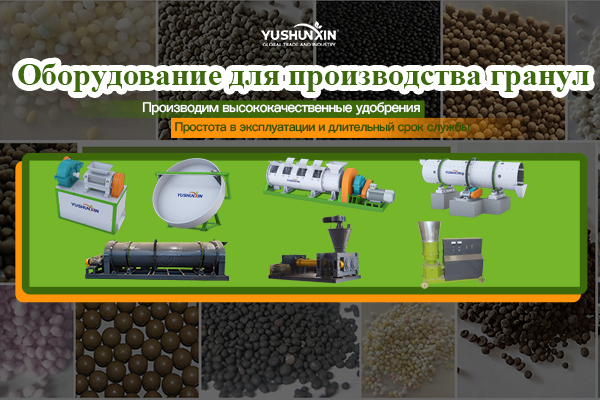
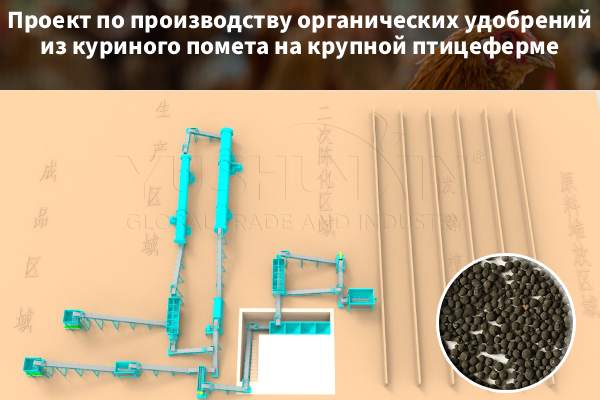
Нужно ли дробить компостированный коровий навоз перед грануляцией? — производственное оборудование
Оборудование для производства удобрений в составе технологической линии

Как выбрать оборудование для нужно ли дробить компостированный коровий навоз перед грануляцией?

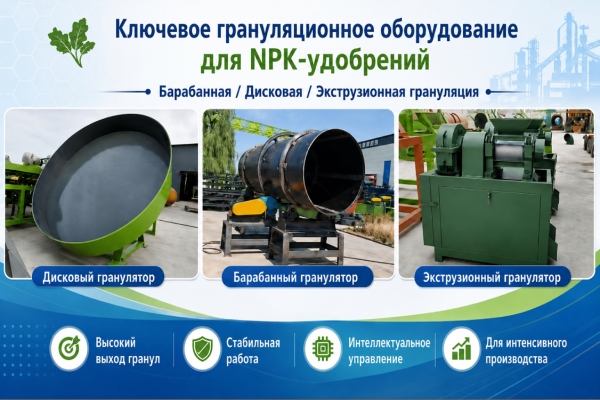
Предприятие сравнивает оборудование для производства удобрений, потому что гранулятор, смеситель, сушилка и дробилка должны работать в одной технологической линии. Производитель NPK учитывает производительность, влажность сырья и требуемый размер гранул. Инвестор оценивает затраты на производство удобрений и срок запуска завода по производству удобрений. Технологическая линия для производства удобрений подбирается по мощности, составу сырья и конечной формуле продукции. Материал страницы «Коровий навоз как удобрение — оборудование и линия» показывает, какие параметры важны при выборе основного оборудования. оборудование для нужно ли дробить компостированный коровий навоз перед грануляцией позволяет сопоставить модель с технологической задачей. Связанная страница «Оборудование для производства удобрений — подбор и поставка» уточняет, как отдельные машины интегрируются в общую систему переработки удобрений. Заказчик производственной линии сравнивает барабанную, дисковую и валковую грануляцию для конкретного сырья.

Какие технические параметры учитывает производитель удобрений?

Завод анализирует технологический процесс производства удобрений, поэтому учитывает производительность, потребляемую мощность, влажность и размер частиц. Производитель удобрений проверяет, какие параметры подтверждены для линии производства удобрений, и не переносит характеристики одной модели на другую. Инвестор проекта удобрений оценивает капитальные расходы, бюджет проекта и стоимость запуска. Производственная компания определяет, как оборудование для обработки удобрений влияет на качество готового продукта. Данные страницы «Коровий навоз как удобрение — оборудование и линия» используются как основа для сравнения комплектации. подробная информация о производственной линии даёт дополнительные сведения о возможных вариантах конфигурации. Управление производством удобрений становится точнее, когда каждый технологический узел соответствует характеристикам сырья и целевой мощности.

Как связанное оборудование влияет на технологическую линию?

Связанное оборудование для производства удобрений дополняет основную линию гранулирования. Производитель удобрений добавляет дробилку, смеситель, сушилку или грохот в зависимости от сырья и конечной формулы. Технология производства удобрений требует согласованной работы нескольких машин, поэтому завод проверяет производительность каждого узла. связанное оборудование для производства удобрений рассматривается в контексте линии гранулирования. Страница «Оборудование для производства удобрений — подбор и поставка» помогает понять, как связанное оборудование включается в производственную линию. Предприятие сравнивает варианты конфигурации линии и рассчитывает резерв мощности. Инвестор проекта учитывает, что правильный подбор вспомогательного оборудования снижает простои и повышает стабильность производства комплексных удобрений.

Как производитель линий формирует комплектацию завода?

Производитель линий для производства удобрений формирует комплектацию завода на основе производственной задачи. Завод по переработке удобрений оценивает сырьё, мощность и доступную площадь. производитель линий для производства удобрений представляет направления оборудования и технологических решений. Страница «Линии и оборудование для производства удобрений — Shunxin» даёт общее представление о направлениях оборудования и технологических решениях. Производственная компания сравнивает линии для органических и минеральных удобрений, а также системы гранулирования NPK. Инвестор учитывает, что комплекс оборудования должен быть согласован по производительности, управлению и обслуживанию. Такой подход помогает заказчику производственной линии перейти от отдельного станка к полноценному заводу по производству удобрений.

Какие сведения подтверждают выбор технологии?

Дополнительные справочные сведения о сырье и процессе помогают производителю удобрений проверить технологию гранулирования. Завод анализирует физические свойства материала, условия сушки и требования к конечному продукту. Инвестор проекта сравнивает разные технологии производства удобрений и учитывает особенности исходного сырья. органические удобрения даёт справочное описание материала или процесса. Производственная компания использует справочные данные для подготовки технического задания на линию. Такие сведения дополняют описание оборудования и позволяют точнее определить параметры производства удобрений, управления линией и контроля качества готовой продукции.

Если тема актуальна для производственного проекта, производитель удобрений может уточнить комплектацию линии у Yushunxin, а дополнительная информация доступна здесь: https://www.liniyaudobreniy.com/resheniye-koroviy-navoz-kak-odobreniye/

What Drives Biochar Machine Price in India and Investment Cost for Large Fertilizer Projects?

Plant owners and project investors often evaluate biochar machine price in india before they plan a fertilizer processing plant. biochar, biomass ash, charcoal powder, lignite move through carbonization furnace, biochar crusher, rotary dryer in a complete fertilizer granulation line. When you select this equipment, you review capacity, material condition, and plant layout. This evaluation helps you control investment and keep production stable.

biochar machine price in india

biochar machine price in india

How does a biochar machine price in india system support biochar processing?

A biochar machine price in india system supports biochar processing by connecting the main machine with feeding, mixing, and screening. You can prepare biochar, biomass ash, charcoal powder, lignite before the machine starts. A carbonization furnace and a biochar crusher help control material flow, while a rotary dryer protects product quality. This layout keeps the fertilizer processing plant stable and reduces manual transfer. You can also compare this process with standard fertilizer manufacturing system principles when you design the line. This preparation improves the fertilizer equipment and keeps the fertilizer machinery balanced. This setup also simplifies maintenance and reduces unexpected stops.

Why does a biochar machine price in india line suit continuous fertilizer production?

A biochar machine price in india line suits continuous fertilizer production because it handles biochar, biomass ash, charcoal powder, lignite in a steady flow. You can arrange the equipment so the material moves from intake to packing without long stops. The carbonization furnace feeds the next stage at a stable rate, and the biochar crusher forms the product into a uniform shape. This coordination reduces bottlenecks and keeps the fertilizer granulation line efficient. You can also add a rotary dryer to return off-size material for rework, which lowers waste and improves product consistency. The steady output supports daily packing and dispatch targets.

Which carbon-based fertilizer processing technology factors should you review before selection?

carbon-based fertilizer processing technology helps you choose the right equipment for biochar, biomass ash, charcoal powder, lignite. You can review moisture, particle size, capacity, and plant space before you order. A clear process flow reduces transfer points and protects the fertilizer machinery. This comparison also helps you balance fertilizer equipment with long-term operating cost. You can then match the selected machine to the fertilizer manufacturing system and keep the fertilizer processing plant running smoothly. This review helps you avoid buying oversized or undersized fertilizer machinery.

How can producers compare biochar standards for this fertilizer manufacturing process?

You can compare the general process described under biochar when you set the product standard and material specification. This reference helps you understand why moisture and particle size matter for biochar, biomass ash, charcoal powder, lignite. You can also adjust the carbonization furnace and the biochar crusher according to the target output. This control supports the fertilizer granulation line and keeps the fertilizer processing plant consistent during peak production. This preparation also supports repeat product quality across production batches.

To summarize, what drives biochar machine price in india and investment cost for large fertilizer projects depends on material condition, equipment scope, and production capacity. You can match each machine to the required output and product form. A reliable biochar fertilizer equipment manufacturer can supply the complete fertilizer manufacturing system. Yushunxin provides this fertilizer production equipment. If you have interests, you can learn more about https://www.charbasedfertilizermachine.com/product/200000-tons-year-biochar-fertilizer-production-line-price

Which Industrial Cleaning Fruit Machine Configuration Is Best for a Small-Scale Production Line?

A small fruit processor, a snack maker, or a fresh-cut supplier that adds washing equipment usually wants the simplest configuration that still cleans the product. The industrial cleaning fruit machine for a small-scale line offers bubble, vortex, brush, and spray washing, and the best choice follows the raw material. This article explains the configurations and the checks that fit a small food processing plant.

industrial cleaning fruit machine

Which Washing Configuration Fits a Small-Scale Line?

A small line usually starts with one washing method, and the choice follows the product’s delicacy and soil level. The fruit and vegetable cleaning machine with bubble and vortex options covers gentle leaf washing and deeper cut vegetable cleaning, while a brush roller handles roots and a spray washer handles stubborn soil. A small plant picks the method that matches its menu instead of buying every option. This match keeps the food machinery footprint and the budget small.

How Do Bubble, Vortex, and Brush Washers Compare?

The four washing machines split the work, and a buyer compares them by the product. A bubble washer suits strawberries, peppers, leafy greens, shrimp, and fish fillets; a vortex washer suits diced potatoes, sliced vegetables, shredded carrots, and French fries; and a roller brush washer suits potatoes, sweet potatoes, taro, carrots, ginger, and yam. The commercial produce washing machine for a small factory lets a plant choose one machine for one product family. This classification prevents over-washing soft produce and under-cleaning roots.

How Does the Configuration Reduce Water and Labor?

A good configuration includes the auxiliary parts that cut water and labor, not only the washer itself. Mesh belt conveyors move the product, bucket elevators connect the washer to the blancher and fryer, and a circulating water tank keeps water pressure stable. Sedimentation zones collect sand and heavy particles, which reduces water replacement frequency. A small plant that adds these parts turns the food preparation into a low-touch, low-water process.

How Does the Washer Connect With Draining Equipment?

A washing machine works best when the washed product drains before frying or packing, because wet product spatters in oil and clumps in freezing. The washer connects with a vibrating drainer for a washed produce line, a blancher, and a fryer, and each handoff keeps the product moving. A smooth connection removes the surface moisture that harms the next stage. This layout protects the food processing system from a wet-product problem.

How Should a Buyer Choose the Configuration?

Vegetable cleaning rewards a trial with the plant’s own produce, because wetness, skin, and soil change the wash. You can review the fruit cleaning equipment manufacturer before a purchase, and that review shows the washing options and after-sales support. A careful buyer picks one washer and the matching conveyors and drainers. These steps turn the food machinery decision into a small but complete line.

Conclusion

A small-scale production line chooses the industrial cleaning fruit machine that matches its raw material, then adds the conveyors, water tank, and drainer that keep the wash efficient. These choices keep the food production line lean and clean. If you have interests, you can learn more about https://www.friedfoodsolutions.com/fruit-vegetable-cleaning-machine/

What Equipment Does a Chicken Manure Biochar Fertilizer Line Need for Composting and Granulation?

Biochar fertilizer producers often combine chicken manure with carbon material to make a stable soil amendment. A chicken manure biochar line requires dewatering, carbon mixing, aerobic fermentation, crushing, granulation, drying, and packing. You can use biochar, biomass ash, charcoal powder, and lignite as the carbon source. When you plan a chicken manure biochar fertilizer line, you match the fermentation capacity to the granulator and the packing unit.

chicken manure biochar

chicken manure biochar

Which chicken manure biochar system supports stable composting?

A chicken manure biochar system supports stable composting with a compost turner or a fermentation tank. You can mix chicken manure with biochar to reduce odor and improve aeration, then turn the pile regularly to add oxygen. This step stabilizes the organic matter before the material enters the crusher. It keeps the fertilizer manufacturing process clean and prepares a uniform feedstock for granulation.

How does a chicken manure biochar line move from compost to granules?

A chicken manure biochar line moves compost through a biochar crusher, a mixer, a granulator, and a screening machine. Carbon-based fertilizer processing technology then connects the granulation stage with a rotary dryer and a packing scale. This sequence turns the fermented material into uniform carbon-based fertilizer granules that are easy to store and transport.

Which carbon sources and equipment improve chicken manure biochar quality?

Biochar, biomass ash, charcoal powder, and lignite improve chicken manure biochar quality by adding stable carbon and improving aeration. You can use a carbonization furnace to produce biochar from dry biomass, then grind it in a biochar crusher before mixing with chicken manure. A rotary dryer removes excess moisture from the finished granules. You can compare the general process described under biochar when you set the pyrolysis and mixing conditions.

Which screening and packing units complete the chicken manure biochar fertilizer line?

A screening machine and an automatic packing scale complete the chicken manure biochar fertilizer line. You can remove oversized granules and return them for re-crushing, then fill bags with consistent weight. This equipment combination protects the fertilizer equipment and keeps the fertilizer processing plant ready for distribution.

Which chicken manure biochar line design reduces odor and improves granulation?

A sealed fermentation tank and a closed conveyor reduce odor and improve granulation in a chicken manure biochar line. You can mix chicken manure with biochar before fermentation and keep the material covered during turning. A crusher then prepares uniform particles for the granulator, and a rotary dryer stabilizes the pellets. This design makes the fertilizer manufacturing system cleaner and helps the carbon-based fertilizer equipment run consistently.

To summarize, chicken manure biochar fertilizer production requires carbon mixing, fermentation, crushing, granulation, drying, and packing equipment. These measures also make the line easier to operate and maintain. A steady carbon blend supports repeat export orders. You can match each machine to the manure volume and the desired granule size. A biochar fertilizer equipment manufacturer can help you configure the complete carbon-based fertilizer line. Yushunxin provides this chicken manure and biochar fertilizer equipment. If you have interests, you can learn more about https://www.charbasedfertilizermachine.com/product/chicken-dung-and-biochar-as-fertilizer

Which Fertilizer Bagging Plant Layout Handles 20-50 kg Bags?

Fertilizer producers often design a fertilizer bagging plant around the bag size and the hourly packing rate. Urea, diammonium phosphate, potassium chloride, and ammonium sulfate flow from storage to weighing, filling, sewing, and palletizing. A layout that handles 20 kg to 50 kg bags needs enough headroom, conveyor width, and floor space for operators and pallets. When you choose a fertilizer bagging plant layout, you balance automatic packing speed, bag change time, and material flow.

fertilizer bagging plant

fertilizer bagging plant

Which fertilizer bagging plant system handles 20-50 kg bags efficiently?

A fertilizer bagging plant system handles 20-50 kg bags efficiently when the packing scale, bag clamp, and sewing machine work in sequence. You can place a buffer bin above the scale so the fertilizer drops by gravity into each bag. A belt conveyor then moves the filled bag to the sewing station and the palletizing area. This layout reduces manual lifting and keeps the fertilizer manufacturing process steady.

How does a fertilizer bagging plant line connect screening and packing?

A fertilizer bagging plant line connects screening and packing by sending the on-size granules from the screening machine to the packing scale. You can compare these stages with the general definitions for fertilizer when you set the product specification. Compound fertilizer processing technology helps you place the packing scale close to the finished product bin, so the fertilizer production line avoids long transfer paths.

Which floor plan supports safe handling of 20-50 kg fertilizer bags?

A floor plan with separate weighing, sewing, and palletizing zones supports safe handling of 20-50 kg fertilizer bags. You can leave space for pallet movement and place the control panel away from dust and moisture. A conveyor with adjustable height helps workers load bags without heavy lifting. This arrangement improves the fertilizer processing plant and protects the fertilizer machinery from accidental impact.

Which automation features improve bag weight accuracy and speed?

Automatic tare, digital weighing, and a bag clamp improve bag weight accuracy and speed. You can set the scale to fill different bag weights and record each batch. A sewing machine with automatic cut-off reduces thread waste and keeps the line moving. This control lowers fertilizer production cost and keeps the fertilizer manufacturing system consistent.

Which fertilizer bagging plant layout comparison helps producers reduce bag damage?

You can compare a straight-line layout with a compact L-shaped layout by pallet flow, worker access, and conveyor turns. A straight-line bagging plant reduces sharp direction changes, so filled 20-50 kg bags move smoothly from the scale to the sewing station. A compact layout saves floor space but needs more careful conveyor placement. This comparison helps you protect the fertilizer packaging machine and lower fertilizer production cost.

To summarize, a fertilizer bagging plant for 20-50 kg bags requires a compact flow from the storage bin to weighing, sewing, and palletizing. You can match the packing scale and conveyor to the target bag range and output. A reliable fertilizer equipment manufacturer can supply the complete bagging line. Yushunxin provides this fertilizer bagging equipment. If you have interests, you can learn more about https://www.fertilizerproductequipment.com/fertilizer-bagging-machine

How Do You Control Dust from a Biochar Crusher?

Biochar fertilizer producers often install a biochar crusher that reduces charcoal powder, biomass ash, and lignite to a uniform size. Crushing dry carbon material creates dust, so the machine needs a sealed chamber and a discharge point that controls particle spread. When you control dust from a biochar crusher, you protect workers and keep the fertilizer processing plant clean.

biochar crusher

biochar crusher

Which biochar crusher system controls dust during size reduction?

A biochar crusher system controls dust during size reduction with a sealed crushing chamber and a controlled outlet. You can feed biochar or charcoal powder through a hopper that limits air escape and discharge the crushed material directly into a conveyor or bin. This arrangement reduces airborne particles and keeps the fertilizer manufacturing process safe. It also protects the downstream fertilizer equipment from dust buildup.

How does a biochar crusher line prepare carbon material for granulation without excess dust?

A biochar crusher line prepares carbon material for granulation without excess dust when the crusher connects to a closed conveying system. You can move the crushed biochar to a mixer and granulator through a sealed conveyor. Carbon-based fertilizer processing technology helps you place the crusher between the carbonization furnace and the mixer, so the material path stays short and clean.

Which moisture and feed conditions reduce biochar crusher dust?

Correct moisture and steady feed conditions reduce biochar crusher dust. Very dry biochar becomes dusty, while a small amount of moisture can help particles settle. You can compare the general process described under biochar when you set the crushing conditions. A rotary dryer can adjust the material moisture before crushing, and a buffer hopper keeps the feed rate stable.

Which auxiliary equipment helps keep a biochar crushing area clean?

A dust collector, a sealed conveyor, and a discharge hood help keep a biochar crushing area clean. You can place the collector near the crusher outlet and connect the conveyor to the next processing stage. This equipment combination reduces manual sweeping and protects the fertilizer manufacturing system from dust accumulation. It also makes the carbon-based fertilizer production area safer for workers.

Which biochar crusher design features reduce dust and maintenance?

A sealed housing, a controlled discharge, and replaceable wear parts reduce dust and maintenance in a biochar crusher. You can choose a machine with a top feed and bottom discharge so material flows by gravity and leaves less residue. A dust collection port on the outlet captures fine particles before they spread. These features help your team clean the fertilizer equipment quickly and keep the carbon-based fertilizer production area safe.

To summarize, a biochar crusher controls dust with a sealed chamber, closed conveying, proper moisture, and a dust collector. These measures also make the crushing stage easier to operate and maintain. You can combine the crusher with a carbonization furnace, mixer, and granulator in one fertilizer manufacturing system. A biochar fertilizer equipment manufacturer can help you configure the crushing and dust control line. Yushunxin provides this biochar crushing equipment. If you have interests, you can learn more about https://www.charbasedfertilizermachine.com/product/carbon-fertilizer-grinder-machine-for-sale

Livestock Manure Organic Fertilizer Production Plant Cost: What Influences Your Investment

When you plan to convert livestock manure into commercial organic fertilizer, understanding the factors behind the investment can help you make a more suitable project decision. The total cost is influenced by your raw materials, production capacity, fertilizer type, equipment selection, and automation requirements.

A manure-based fertilizer project is not only a waste treatment solution but also an opportunity to transform agricultural waste into valuable fertilizer products. By evaluating your production goals first, you can develop a system that matches your business needs.

How Do Raw Materials Affect Your Fertilizer Plant Cost?

Different livestock manure materials have different characteristics. Cow manure, pig manure, and poultry waste may vary in moisture content, fiber structure, and processing requirements.

These differences influence the fermentation process, crushing equipment, granulation method, and final product configuration. For example, the chicken manure organic fertilizer production line cost can vary depending on whether you produce powder fertilizer or granular fertilizer products.

Understanding your raw material supply and daily processing volume helps you evaluate a more suitable production solution.

chicken farm manure management efficiently

How Does Production Capacity Change Investment Requirements?

Production capacity directly affects equipment size and production system configuration. A small farm-based project may focus on simple processing, while a commercial fertilizer factory may require a more complete production system.

When evaluating the 20 tph organic fertilizer production plant cost, you can consider not only the main machines but also supporting systems, including fermentation, material handling, granulation, drying, screening, and packaging.

A larger capacity project may involve more equipment and infrastructure, while a smaller system can provide a more flexible starting point.

How Does Plant Layout Influence Project Cost?

The arrangement of equipment affects material movement, installation requirements, and future operation convenience.

A well-planned organic fertilizer production plant layout considers the connection between fermentation areas, processing equipment, storage sections, and packaging zones.

A reasonable layout can help you improve workflow efficiency and create better conditions for maintenance and future expansion.

How Does Equipment Selection Influence the Final Budget?

Different production goals require different equipment configurations. A powder fertilizer project may need fewer processing steps, while granular fertilizer production can include additional granulation, drying, cooling, and screening equipment.

The organic fertilizer manufacturing plant cost depends on the selected process, production scale, and automation level.

Working with an experienced organic fertilizer production plant manufacturer allows you to discuss raw materials, capacity targets, and product requirements before confirming the final configuration.

Click here for more details to explore more organic fertilizer production solutions.

Planning Your Livestock Manure Fertilizer Project

The investment for a livestock manure organic fertilizer production plant depends on many connected factors. Raw material conditions, production capacity, plant design, and equipment selection all influence the final project solution.

By reviewing these factors together, you can create a fertilizer production system that supports your current needs and future business development.

For more information about livestock manure organic fertilizer production plant cost and related solutions, you can visit https://www.shunxin.eu/organic-fertilizer-production-plant-cost/

When Does a Biochar Fertilizer Line Need a New Type Vertical Crusher Before Granulation?

Biochar fertilizer producers add a new type vertical crusher when carbon-based raw materials contain lumps or coarse particles before granulation. Biochar, biomass ash, charcoal powder, and lignite must reach a uniform size for stable mixing and pressing. In a carbon-based fertilizer manufacturing system, this vertical machine breaks oversized pieces without a screening bar. When you select a new type vertical crusher, you evaluate capacity, material moisture, and maintenance access.

new type vertical crusher

new type vertical crusher

When does a biochar fertilizer line need a new type vertical crusher system?

Your biochar fertilizer line needs a new type vertical crusher system when raw biochar or charcoal powder arrives with hard lumps and uneven particle size. You can place the crusher after carbonization and before the mixer or granulator, so the downstream fertilizer manufacturing process stays stable. The vertical design allows material to enter from the top and discharge from the bottom, which reduces dust spread. This layout helps your fertilizer processing plant maintain clean air and protects workers during carbon-based fertilizer handling.

How does a new type vertical crusher line prepare biochar and biomass ash for granulation?

A new type vertical crusher line prepares biochar and biomass ash by reducing particle size before batching and granulation. You can set the machine to handle wet carbon-based materials and adjust the crushing chamber for lignite or charcoal powder. The crushed material then moves to a mixer and a granulator in the fertilizer granulation line. Carbon-based fertilizer processing technology links this crushing step with fermentation, drying, and packaging, so the whole fertilizer manufacturing system runs with fewer blockages.

Which carbon-based fertilizer production technology factors should you review before crusher selection?

Before you choose a crusher, review capacity, power, feed moisture, and particle output as carbon-based fertilizer production technology factors. Biochar production creates porous material, and the general process described under biochar helps you understand why stable sizing matters. You may also compare a carbonization furnace, a biochar crusher, and a rotary dryer in the same fertilizer processing plant. This equipment combination supports a continuous fertilizer production quotation and reduces the number of manual transfer points.

Which new type vertical crusher capacity fits a carbon-based fertilizer manufacturing system?

You can match a new type vertical crusher capacity to the hourly output of your carbon-based fertilizer manufacturing system. A small model suits a pilot line that handles biochar and biomass ash in limited batches, while a larger model supports continuous crushing for charcoal powder and lignite. The machine should sit between the carbonization furnace and the mixer so the downstream granulation step receives evenly sized material. This placement reduces bridging in bins and protects the granulator from oversized lumps. When you align the crusher capacity with the rest of the fertilizer equipment, you keep the whole carbon-based fertilizer processing flow balanced.

To summarize, a new type vertical crusher improves carbon-based fertilizer manufacturing when raw lumps threaten granule quality. You can place the machine before mixing and granulation to keep the fertilizer production line stable. A biochar fertilizer equipment manufacturer can help you configure the crusher with a carbonization furnace and dryer. Yushunxin provides such crushing systems for biochar fertilizer plants. If you have interests, you can learn more about https://www.charbasedfertilizermachine.com/product/new-type-vertical-crusher

Как быстро переключать рецептуру NPK на линии 5–8 т/ч?

Производство удобрений объединяет выбор сырья, технологического оборудования и организации линии гранулирования. Производитель удобрений оценивает производственную задачу, сравнивает оборудование для производства удобрений и определяет состав технологической линии. Материалы страницы «Производства удобрение азофоска | под ключ | Shunxin завод Линии производства NPK и комплексных удобрений под ключ» помогают рассмотреть тему «Как быстро переключать рецептуру NPK на линии 5–8 т/ч» с точки зрения завода, который планирует стабильный выпуск продукции. Как быстро переключать рецептуру NPK на линии 5–8 т/ч позволяет заказчику производственной линии сопоставить комплектацию, мощность и технологические решения до начала проекта.

Как быстро переключать рецептуру NPK на линии 5–8 т/ч? — производственное оборудование
Оборудование для производства удобрений в составе технологической линии

Как выбрать оборудование для как быстро переключать рецептуру NPK на линии 5–8 т/ч?

Предприятие сравнивает оборудование для производства удобрений, потому что гранулятор, смеситель, сушилка и дробилка должны работать в одной технологической линии. Производитель NPK учитывает производительность, влажность сырья и требуемый размер гранул. Инвестор оценивает затраты на производство удобрений и срок запуска завода по производству удобрений. Технологическая линия для производства удобрений подбирается по мощности, составу сырья и конечной формуле продукции. Материал страницы «Производства удобрение азофоска | под ключ | Shunxin завод Линии производства NPK и комплексных удобрений под ключ» показывает, какие параметры важны при выборе основного оборудования. оборудование для как быстро переключать рецептуру npk на линии 5–8 т/ч позволяет сопоставить модель с технологической задачей. Связанная страница «Products Archive – Линии производства NPK и комплексных удобрений под ключ Линии производства NPK и комплексных удобрений под ключ» уточняет, как отдельные машины интегрируются в общую систему переработки удобрений. Заказчик производственной линии сравнивает барабанную, дисковую и валковую грануляцию для конкретного сырья.

Какие технические параметры учитывает производитель удобрений?

Завод анализирует технологический процесс производства удобрений, поэтому учитывает производительность, потребляемую мощность, влажность и размер частиц. Производитель удобрений проверяет, какие параметры подтверждены для линии производства удобрений, и не переносит характеристики одной модели на другую. Инвестор проекта удобрений оценивает капитальные расходы, бюджет проекта и стоимость запуска. Производственная компания определяет, как оборудование для обработки удобрений влияет на качество готового продукта. Данные страницы «Производства удобрение азофоска | под ключ | Shunxin завод Линии производства NPK и комплексных удобрений под ключ» используются как основа для сравнения комплектации. подробная информация о производственной линии — для органических удобрений даёт дополнительные сведения о возможных вариантах конфигурации. Управление производством удобрений становится точнее, когда каждый технологический узел соответствует характеристикам сырья и целевой мощности.

Как связанное оборудование влияет на технологическую линию?

Связанное оборудование для производства удобрений дополняет основную линию гранулирования. Производитель удобрений добавляет дробилку, смеситель, сушилку или грохот в зависимости от сырья и конечной формулы. Технология производства удобрений требует согласованной работы нескольких машин, поэтому завод проверяет производительность каждого узла. связанное оборудование для производства удобрений — для переработки сырья рассматривается в контексте линии гранулирования. Страница «Products Archive – Линии производства NPK и комплексных удобрений под ключ Линии производства NPK и комплексных удобрений под ключ» помогает понять, как связанное оборудование включается в производственную линию. Предприятие сравнивает варианты конфигурации линии и рассчитывает резерв мощности. Инвестор проекта учитывает, что правильный подбор вспомогательного оборудования снижает простои и повышает стабильность производства комплексных удобрений.

Как производитель линий формирует комплектацию завода?

Производитель линий для производства удобрений формирует комплектацию завода на основе производственной задачи. Завод по переработке удобрений оценивает сырьё, мощность и доступную площадь. производитель линий для производства удобрений — для органических удобрений представляет направления оборудования и технологических решений. Страница «Линии производства NPK и комплексных удобрений под ключ – Предоставим Вам качественное оборудование для производства NPK удобрений! Линии производства NPK и комплексных удобрений под ключ» даёт общее представление о направлениях оборудования и технологических решениях. Производственная компания сравнивает линии для органических и минеральных удобрений, а также системы гранулирования NPK. Инвестор учитывает, что комплекс оборудования должен быть согласован по производительности, управлению и обслуживанию. Такой подход помогает заказчику производственной линии перейти от отдельного станка к полноценному заводу по производству удобрений.

Какие сведения подтверждают выбор технологии?

Дополнительные справочные сведения о сырье и процессе помогают производителю удобрений проверить технологию гранулирования. Завод анализирует физические свойства материала, условия сушки и требования к конечному продукту. Инвестор проекта сравнивает разные технологии производства удобрений и учитывает особенности исходного сырья. минеральные удобрения — для переработки сырья даёт справочное описание материала или процесса. Производственная компания использует справочные данные для подготовки технического задания на линию. Такие сведения дополняют описание оборудования и позволяют точнее определить параметры производства удобрений, управления линией и контроля качества готовой продукции.

Если тема актуальна для производственного проекта, производитель удобрений может уточнить комплектацию линии у Yushunxin, а дополнительная информация доступна здесь: https://www.npkliniya.com/solutions/linii-proizvodstva-azofoski/

Which Fertilizer Bagging Machine Fits 25 kg, 40 kg, and 50 kg Fertilizer Packaging?

A fertilizer bagging machine gives your plant an automatic way to weigh and pack 25 kg, 40 kg, and 50 kg fertilizer bags. The machine uses a hopper, feeder, weighing mechanism, discharge hopper, belt conveyor, and sealing unit to fill each bag accurately. Your operators can change the target weight and packaging speed on the digital display. This final stage of a fertilizer production line reduces manual labor and keeps the product ready for storage and delivery.

fertilizer bagging machine

fertilizer bagging machine

How does a fertilizer bagging machine fill 25 kg, 40 kg, and 50 kg bags accurately?

The machine first opens a large feeding gate so material moves quickly into the weighing bucket. When the weight approaches the target, the large gate closes and a fine vibration feeder adds the remaining amount. The system then opens the discharge door after the bag sits in place, and the material drops into the bag. This two-stage feeding method keeps the weight consistent across 25 kg, 40 kg, and 50 kg packaging. The fertilizer bagging machine system works for both granules and powder, so your plant can use one line for different fertilizer shapes.

Which bagging machine features support a continuous fertilizer packaging line?

A stainless steel body protects the machine from corrosion, and a dust-proof weighing control system keeps the work area cleaner. The infrared sensor controls the discharge gate and reduces energy use. A digital display lets your workers adjust weight, speed, and packaging specifications without stopping the line. These features help the fertilizer bagging machine line keep up with a steady flow from the granulator or screening machine. You can also add an automatic palletizer after the sealing station to arrange finished bags for storage.

How does automatic packaging improve fertilizer manufacturing cost?

An automatic packing scale needs fewer workers than manual bagging and reduces the chance of weight error. The machine can handle frequent changes in bag size, which helps your plant serve different customers without buying separate equipment. A conveyor and sealing unit complete the process, so bags move directly to the warehouse. You can apply compound fertilizer processing technology when the packaging line handles blended NPK products. A fertilizer equipment manufacturer can provide machine sizes and layout guidance for your capacity.

How can plant owners keep fertilizer production cost stable at the packaging stage?

Regular checks of the weighing system and sealing unit help the machine keep each bag within tolerance. The conveyor and palletizer reduce manual handling and protect the bags from damage. These steps support a stable fertilizer manufacturing process from granulation to final delivery. For background on the nutrients in packaged fertilizer, you can read the fertilizer reference before choosing a bag size.

Yushunxin can supply fertilizer bagging machines and packaging line equipment for your plant. If your team has interest in the machine, you can learn more about https://www.fertilizerproductequipment.com/fertilizer-bagging-machine.

Какие требования к сырью нужно учесть для линии NPK 5–8 т/ч?

Производство удобрений объединяет выбор сырья, технологического оборудования и организации линии гранулирования. Производитель удобрений оценивает производственную задачу, сравнивает оборудование для производства удобрений и определяет состав технологической линии. Материалы страницы «Линия по производство удобрений НПК | грануляция | дизайн» помогают рассмотреть тему «Какие требования к сырью нужно учесть для линии NPK 5–8 т/ч» с точки зрения завода, который планирует стабильный выпуск продукции. Какие требования к сырью нужно учесть для линии NPK 5–8 т/ч позволяет заказчику производственной линии сопоставить комплектацию, мощность и технологические решения до начала проекта.

Какие требования к сырью нужно учесть для линии NPK 5–8 т/ч? — производственное оборудование
Оборудование для производства удобрений в составе технологической линии

Как выбрать оборудование для какие требования к сырью нужно учесть для линии NPK 5–8 т/ч?

Предприятие сравнивает оборудование для производства удобрений, потому что гранулятор, смеситель, сушилка и дробилка должны работать в одной технологической линии. Производитель NPK учитывает производительность, влажность сырья и требуемый размер гранул. Инвестор оценивает затраты на производство удобрений и срок запуска завода по производству удобрений. Технологическая линия для производства удобрений подбирается по мощности, составу сырья и конечной формуле продукции. Материал страницы «Линия по производство удобрений НПК | грануляция | дизайн» показывает, какие параметры важны при выборе основного оборудования. оборудование для какие требования к сырью нужно учесть для линии npk 5–8 т/ч позволяет сопоставить модель с технологической задачей. Связанная страница «Производственная линия SHUNXIN | сделанный на заказ» уточняет, как отдельные машины интегрируются в общую систему переработки удобрений. Заказчик производственной линии сравнивает барабанную, дисковую и валковую грануляцию для конкретного сырья.

Какие технические параметры учитывает производитель удобрений?

Завод анализирует технологический процесс производства удобрений, поэтому учитывает производительность, потребляемую мощность, влажность и размер частиц. Производитель удобрений проверяет, какие параметры подтверждены для линии производства удобрений, и не переносит характеристики одной модели на другую. Инвестор проекта удобрений оценивает капитальные расходы, бюджет проекта и стоимость запуска. Производственная компания определяет, как оборудование для обработки удобрений влияет на качество готового продукта. Данные страницы «Линия по производство удобрений НПК | грануляция | дизайн» используются как основа для сравнения комплектации. подробная информация о производственной линии — для удобрений даёт дополнительные сведения о возможных вариантах конфигурации. Управление производством удобрений становится точнее, когда каждый технологический узел соответствует характеристикам сырья и целевой мощности.

Как связанное оборудование влияет на технологическую линию?

Связанное оборудование для производства удобрений дополняет основную линию гранулирования. Производитель удобрений добавляет дробилку, смеситель, сушилку или грохот в зависимости от сырья и конечной формулы. Технология производства удобрений требует согласованной работы нескольких машин, поэтому завод проверяет производительность каждого узла. связанное оборудование для производства удобрений — для технологической линии рассматривается в контексте линии гранулирования. Страница «Производственная линия SHUNXIN | сделанный на заказ» помогает понять, как связанное оборудование включается в производственную линию. Предприятие сравнивает варианты конфигурации линии и рассчитывает резерв мощности. Инвестор проекта учитывает, что правильный подбор вспомогательного оборудования снижает простои и повышает стабильность производства комплексных удобрений.

Как производитель линий формирует комплектацию завода?

Производитель линий для производства удобрений формирует комплектацию завода на основе производственной задачи. Завод по переработке удобрений оценивает сырьё, мощность и доступную площадь. производитель линий для производства удобрений — для комплексных удобрений представляет направления оборудования и технологических решений. Страница «Shunxin | Производитель оборудования для удобрений | 20+лет» даёт общее представление о направлениях оборудования и технологических решениях. Производственная компания сравнивает линии для органических и минеральных удобрений, а также системы гранулирования NPK. Инвестор учитывает, что комплекс оборудования должен быть согласован по производительности, управлению и обслуживанию. Такой подход помогает заказчику производственной линии перейти от отдельного станка к полноценному заводу по производству удобрений.

Какие сведения подтверждают выбор технологии?

Дополнительные справочные сведения о сырье и процессе помогают производителю удобрений проверить технологию гранулирования. Завод анализирует физические свойства материала, условия сушки и требования к конечному продукту. Инвестор проекта сравнивает разные технологии производства удобрений и учитывает особенности исходного сырья. минеральные удобрения — для гранулирования даёт справочное описание материала или процесса. Производственная компания использует справочные данные для подготовки технического задания на линию. Такие сведения дополняют описание оборудования и позволяют точнее определить параметры производства удобрений, управления линией и контроля качества готовой продукции.

Если тема актуальна для производственного проекта, производитель удобрений может уточнить комплектацию линии у Yushunxin, а дополнительная информация доступна здесь: https://www.sxmashina.com/liniya-po-proizvodstvo-npk-udobreniy/

How Does a Continuous Fryer Support Food Safety and Quality Control in Processing?

A snack factory, a coated food producer, or a frozen food plant that runs a frying line depends on the fryer to keep every batch safe and consistent. The continuous fryer for sale for a commercial frying line combines oil filtration, temperature control, and a double-layer belt, and those structures protect both food safety and quality control. This article explains how each system supports safe, repeatable food production and what a buyer should verify before purchase.

continuous fryer for sale

How Does Oil Filtration Protect Food Safety in a Continuous Fryer?

The oil circulation and filtration system removes food residues while the fryer runs, and that keeps burnt particles from building up in the oil tank. The industrial continuous fryer with oil filtration and PID temperature control reduces oil acid value growth, restores oil color, and can lower edible oil consumption by about 20 to 40 percent in suitable applications. Cleaner oil produces fewer off flavors and fewer burned specks, which a quality team reads as a safer, more consistent product. This filtration step therefore supports the food safety record of a fried snack or coated food line.

How Does PID Temperature Control Keep Frying Quality Consistent?

Stable oil temperature prevents undercooked centers and overbrowned surfaces, and a PID controller holds the set point far better than a manual burner. The continuous frying machine with a double-layer mesh belt system keeps products two to three centimeters below the oil surface while a sensor monitors temperature in real time, and the operator can set temperatures from 80 to 300 degrees Celsius. A frequency inverter adjusts belt speed to control frying time from one to five minutes. This control gives every batch the same heat, which is the core of quality control in food manufacturing.

How Does the Double-Layer Belt System Ensure Even Cooking?

The upper and lower mesh belts hold food inside the hot oil, so floating snacks, coated products, and irregular pieces stay submerged instead of riding the surface. The belt distance reaches about 80 to 90 millimeters and adjusts to product thickness, while the belt width can be 600, 800, 1,000, or 1,200 millimeters. A steady, submerged pass exposes every surface to the same oil temperature, which removes the cold spots that manual batch frying creates. This design therefore turns a continuous food production line into a repeatable quality process.

How Does Cleaning Design Support Hygiene and HACCP Compliance?

A fryer that is hard to clean becomes a food safety risk, so the machine includes a four-position lifting system that raises the hood and frame for access to the tank and belts. Operators can remove residues and reach the surfaces that touch the product, which supports the HACCP routine a plant already follows. After frying, product moves to a quick freezer for fried food products after frying or a cooling and packing stage. A cleanable fryer plus a controlled post-frying step keeps the whole food handling flow safer.

How Should a Plant Verify Quality Control Before a Food Machinery Purchase?

A buyer verifies the filtration, temperature control, and cleaning design before the order, because those features decide both safety and consistency. You can review the continuous frying equipment manufacturer before a purchase, and that review shows the service, spare parts, and engineering support behind the machine. A careful food investment separates a fryer that documents its controls from one that only lists capacity. That verification protects the food machinery budget across many seasons.

Conclusion

A continuous fryer supports food safety and quality control through oil filtration, PID temperature control, a double-layer belt, and a cleanable lifting design, and a buyer should verify each system before purchase. These structures keep fried products safe, even, and repeatable. If you have interests, you can learn more about https://www.friedfoodsolutions.com/continuous-fryer-for-sale/

100㎡ vs 200㎡ Industrial Freeze Dryer: What Changes at Large-Scale Production?

A food factory that outgrows its mid-size drying system faces a decision that goes far beyond doubling shelf area. Moving from a 100㎡ platform to a 200㎡ industrial freeze dry machine changes the footprint, the utility setup, the way batches move through the plant, and how every surrounding machine keeps pace. Understanding these differences helps you plan an expansion that runs smoothly from day one.

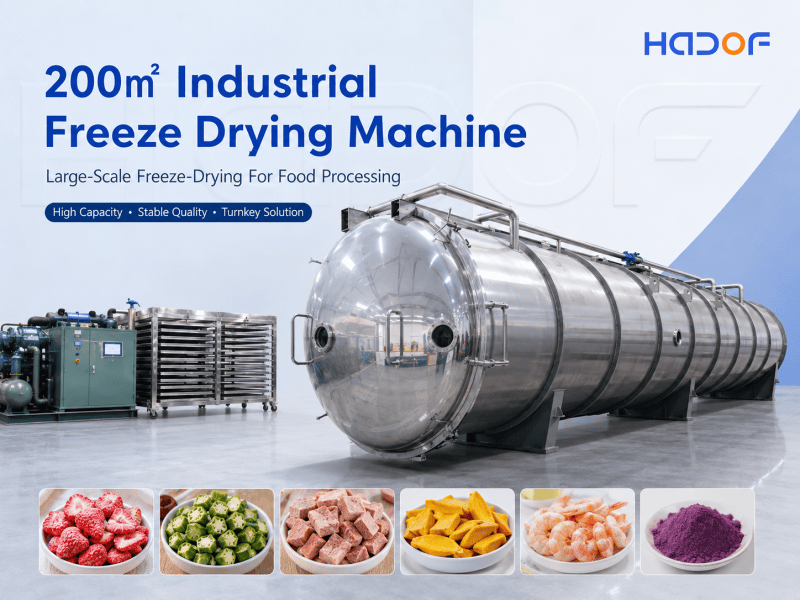
200㎡ Industrial Freeze Drying Machine

Footprint Demands a New Layout Plan

The most visible change appears on the floor plan. A 200㎡ drying chamber, its trolley parking zones, and its loading aisles occupy roughly twice the area of a 100㎡ system — and the surrounding space matters as much as the chamber itself. Trolleys need straight travel paths between the pre-freezing zone and the chamber door. Operators need clearance for tray loading on both sides. Utility lines for power, cooling water, and vacuum piping grow longer and heavier.

Factories that plan the 200㎡ layout around material flow avoid the costly retrofits that come from squeezing a large chamber into an existing corner. Aisle width, door orientation, and ceiling height all deserve attention during the design stage, not after installation.

System Configuration Scales Up in Steps

Larger shelf area means more sublimation load per cycle. The refrigeration system carries additional compressors, the condenser handles a bigger ice load, and the vacuum group stages its pumps to pull the chamber down quickly across a wider volume. Electrical infrastructure follows: a 200㎡ system draws substantially more power at peak, so the factory switchgear and transformer capacity need review before the equipment arrives.

Control systems also mature at this scale. Instead of one operator watching gauges, a 200㎡ line typically runs under a central control panel that logs cycle data, manages alarm zones, and lets supervisors review batch records across shifts. That visibility protects product quality when multiple teams share the same equipment. Buyers who study the 200㎡ industrial freeze dryer configuration therefore gain a clear picture of how refrigeration, vacuum, and power infrastructure work as one connected system.

Batch Organization Decides Real Output

Shelf area sets the ceiling, but batch organization decides how close production gets to that ceiling. A 100㎡ system usually serves one large order per cycle, or splits the load between two compatible product groups. A 200㎡ system opens wider options:

  • Zoned loading.One section runs a high-volume SKU while another handles a specialty product with a similar recipe.
  • Staggered turnaround.Coordinated unloading and reloading keeps the chamber idle for minutes, not hours.
  • Seasonal flexibility.The same platform absorbs peak-season fruit volumes and off-season vegetable contracts without idle capacity.

These patterns only work when the pre-freezing stage keeps pace. A 100kg/batch industrial freeze drying plant demonstrates the principle at mid scale: the freezing step releases trays on schedule, and the dryer never waits. At 200㎡, that handover rhythm becomes the backbone of daily output.

The Whole Line Must Move Together

A large drying chamber amplifies every upstream and downstream weakness. If washing and cutting equipment feeds trays slower than the chamber consumes them, the 200㎡ investment idles. If packing capacity falls behind unloading, finished product sits exposed to humid air and loses crispness. Successful large-scale plants therefore match three elements: upstream preparation equipment sized to the tray flow, a tunnel freezer that bridges pre-freezing and drying, and packing machines that clear each unload before the next batch arrives.

Factories comparing the two size classes can review the 100㎡ freeze dry equipment as a reference point. The 100㎡ class fits plants with steady but moderate demand; the 200㎡ class fits exporters, co-manufacturers, and multi-SKU producers whose order books justify continuous large batches. The full range of industrial freeze dryer machine configurations sits between and beyond these two points, so the right choice depends on your product mix rather than a fixed rule.

A Configuration Matched to Your Factory

Hadof designs each project around your raw material, target output, and available factory area. The team sizes the drying chamber, pre-freezing equipment, conveying, and packing units as one coordinated line, so the 200㎡ system delivers its full capacity instead of waiting on the slowest machine.

If you want a customized solution for your factory, visit the Hadof freeze dryer homepage: https://www.freezehadof.com/

hadof freeze dryer factory

Which Horizontal Fertilizer Mixer Is Best for Powder Fertilizer and NPK Blending?

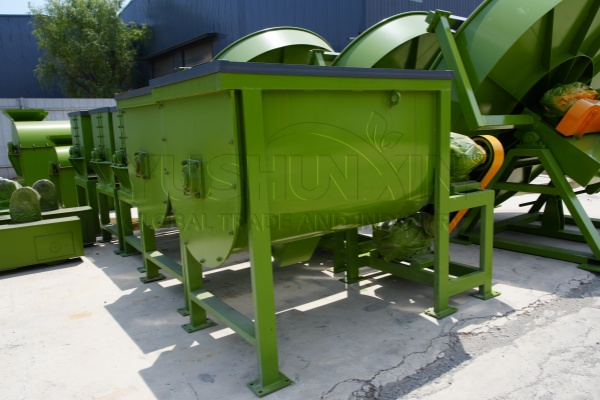
horizontal fertilizer mixer, horizontal mixing plants, horizontal fertilizer mixer capacity, fertilizer production line

Powder fertilizer and NPK blending both depend on a uniform mix, and the right horizontal fertilizer mixer turns separate raw materials into one consistent batch. The machine choice changes with material form, moisture content, viscosity, and daily output. You can use the following sections to compare the main mixer types and to place the selected unit inside a complete fertilizer production line.

horizontal fertilizer mixer

horizontal fertilizer mixer

What factors change the choice of a horizontal fertilizer mixer for powder fertilizer?

A single-shaft mixer handles dry powder, while a double-shaft mixer works with high-moisture and sticky material. The general-purpose horizontal model covers a wide range of organic and compound formulas. You should also check the horizontal fertilizer mixer capacity against the hourly throughput of the plant, because a small model suits a compact workshop and a larger model supports a full factory. The blade layout, motor power, and lining material all affect mixing quality and cleaning time.

How do horizontal mixing plants support NPK blending with several raw materials?

An NPK formula brings urea, phosphate, potassium chloride, and trace elements into one dry blend. Horizontal mixing plants rotate the shafts so these powders distribute evenly before granulation. A double-shaft design adds stronger agitation when the recipe includes water, molasses, or starch as a binder. This even distribution prevents nutrient segregation and keeps each finished bag close to the target formula. The mixer therefore forms the first quality checkpoint in the fertilizer manufacturing process.

Which mixer type suits sticky or high-moisture fertilizer materials?

Wet compost, slurry, sludge, and distillers’ grains tend to stick to a single shaft. A double-shaft horizontal blender applies opposing blades and prevents material from adhering to the mixer wall. This action suits bio fertilizer production where microorganisms must spread through the batch. The lining of the machine also reduces buildup and shortens the cleaning cycle. You can select the double-shaft option when the feed holds moisture or when the formula includes viscous additives.

What supporting fertilizer equipment works with a horizontal mixer in a fertilizer processing plant?

The mixer sits between a batching system and a granulator in a fertilizer processing plant. A crusher prepares uniform particles before mixing, and a screening machine removes oversized pieces after granulation. You can combine the mixer with NPK fertilizer production technology to build a continuous line from raw powder to finished granules. This mixing principle follows the general process described for fertilizer manufacturing. A fertilizer equipment manufacturer can recommend the model that matches the formula and the line layout.

When a production team selects a mixer, the material form and the line capacity determine the best model. For an equipment reference, Yushunxin offers several horizontal mixer configurations for organic and compound fertilizer plants. If you have interests, you can learn more about https://www.fertilizerproductequipment.com/3-types-of-horizontal-mixers

Which Biochar Fertilizer Packaging Equipment Fits 25 kg and 50 kg Bagging Lines?

Accurate weighing and stable bag closure keep a carbon-based fertilizer line efficient and presentable. The biochar fertilizer packaging equipment for sale handles the final stage of the fertilizer manufacturing process, where granules or powder move into 25 kg and 50 kg bags. You can evaluate hopper type, weighing method, capacity, and supporting machines to select equipment that matches the daily bagging volume.

biochar fertilizer packaging equipment for sale

Caption: biochar fertilizer packaging equipment for sale – carbon-based fertilizer production

Which biochar fertilizer packaging equipment for sale fits 25 kg and 50 kg bagging lines?

A single-hopper packaging scale suits powder fertilizer and a moderate output. A double-hopper packaging scale suits granular fertilizer and provides a larger output because two hoppers operate in sequence. A tonnage scale serves bulk loading when the plant fills large bags or containers. You should choose the hopper type by the material form, the bag weight, and the required hourly output. This selection keeps the packaging stage aligned with the rest of the fertilizer production line.

How does the packaging machine work in a carbon-based fertilizer manufacturing system?

The operator starts the machine, and the conveyor moves the charcoal-based fertilizer to the weighing position. The weighing mechanism fills the bag, the sealing device closes the bag mouth, and the conveyor moves the finished bag forward. This automatic cycle repeats without manual lifting. In a carbon-based fertilizer manufacturing system, the packaging unit therefore reduces labor, improves weighing accuracy, and keeps bag weight consistent across a full production shift.

What biochar fertilizer packaging equipment capacity should a fertilizer processing plant plan?

Capacity should match the output of the granulator and the drying line rather than the packaging unit alone. A single-hopper scale provides steady weighing for powder, while a double-hopper scale covers a higher granular output. You should also leave room for peak production periods and for future line expansion. When the biochar fertilizer packaging equipment capacity matches upstream output, the fertilizer processing plant avoids piling material before the bagging station.

Which fertilizer machinery supports accurate weighing before bagging?

A crusher prepares uniform particle size after composting, and a screening machine removes oversized material before the bagging step. A carbon fertilizer grinder machine reduces lumps in biochar and charcoal powder so the packaging scale weighs a consistent product. Conveyors connect the screening, weighing, and sealing stations into one flow. Together these fertilizer machinery units keep the fertilizer production technology stable from granulation to the sealed bag.

How should a production team compare biochar fertilizer packaging equipment price?

The price depends on hopper count, automation, weighing range, and sealing method. A single-hopper unit costs less and suits powder, while a double-hopper unit costs more and delivers higher granular output. A tonnage scale adds cost but supports bulk packing. You should compare the biochar fertilizer packaging equipment price against accuracy, labor saving, and daily throughput instead of the purchase amount alone. You can review the About Us page for the manufacturer background.

Biochar retains its soil value when the final bag is filled accurately and sealed tightly. This packaging principle follows the material characteristics described for biochar. For a reference in bagging equipment, Yushunxin provides a range of packaging scales for different production volumes. If you have interests, you can learn more about https://www.charbasedfertilizermachine.com/product/biochar-fertilizer-packaging-equipment-for-sale

Почему гранулы органических удобрений получаются рыхлыми и как решить проблему

Рыхлые гранулы органических удобрений обычно появляются из-за сочетания нескольких факторов: нестабильной влажности, неоднородного размера частиц, недостаточной подготовки компоста и неподходящего режима грануляции. Гранулятор органических удобрений для получения прочных гранул должен получать сырьё с предсказуемыми свойствами, иначе даже правильная механическая настройка не удерживает одинаковую плотность продукта. Для fertilizer granulation process важны пластичность смеси, сцепление частиц и стабильное время воздействия внутри рабочей зоны.

Почему слишком сухой или слишком влажный компост формирует рыхлые гранулы?

Влажность определяет способность частиц сцепляться во время влажной грануляции. Слишком сухой материал не получает достаточной пластичности, поэтому мелкие частицы образуют слабые ядра и легко разрушаются после выхода из машины. Слишком влажный материал создаёт другую проблему: масса налипает, образует крупные мягкие агломераты и хуже удерживает заданную форму.

Для нового гранулятора органических удобрений производитель указывает ориентировочный диапазон влажности подачи 20–40%. Это рабочая рамка, а не универсальное число для любого компоста. Навоз птицы, коровий компост, остатки биогаза, солома и органоминеральные смеси по-разному удерживают воду. Fertilizer moisture control должен учитывать структуру конкретного сырья и изменение влажности по партиям.

Гранулятор влажного перемешивания 1–8 т/ч использует высокоскоростные перемешивающие зубья и работает с подготовленным органическим материалом. Страница оборудования также указывает размер сырья около 50 mesh. Такой ориентир показывает, почему крупные комки и длинные волокна ухудшают формирование однородных частиц.

Как размер частиц и качество компостирования влияют на прочность органических гранул?

Зрелый компост должен иметь относительно однородную структуру. Недостаточно разложившиеся волокна, крупные комки и участки с разной влажностью создают нестабильную нагрузку. В одной зоне гранулятор формирует плотную частицу, а в другой — рыхлый агломерат. Поэтому fertilizer raw material preparation начинается до грануляционного участка.

Дробилка уменьшает крупные включения и делает подачу более равномерной. Смеситель выравнивает состав и распределение влаги. Эти две машины особенно важны для многокомпонентной рецептуры, где органическая база соединяется с минеральными добавками или другими органическими компонентами. Их задача состоит не в максимальном измельчении, а в создании стабильного потока для гранулятора.

Оборудование для устранения рыхлости гранул органических удобрений следует выбирать после анализа сырья. Дисковый гранулятор лучше работает с одной структурой материала, барабанный — с другой, а перемешивающий тип сильнее воздействует на влажный органический поток. Выбор одной технологии для всех видов компоста повышает риск нестабильного результата.

Почему настройки гранулятора не компенсируют плохую подготовку сырья?

Скорость, угол, подача жидкости и интенсивность механического воздействия влияют на процесс, но эти параметры не могут полностью исправить переменную рецептуру. Если материал каждые несколько минут меняет влажность или размер частиц, оператору приходится постоянно менять режим. Такой fertilizer process control увеличивает разброс гранул и долю возврата.

Стабильная линия сначала выравнивает сырьё, затем настраивает гранулятор. После этого предприятие фиксирует рабочие параметры для конкретной рецептуры. Такой порядок помогает повторять результат в следующих партиях и снижает зависимость от постоянной ручной корректировки.

Общий Органические удобрения и их свойства охватывают широкий набор сырья, поэтому физические свойства компоста могут сильно отличаться. Fertilizer production line должна учитывать эту разницу до выбора модели гранулятора. Такой fertilizer plant layout также должен оставлять достаточно места для подготовки и сушки продукта.

Как сушка влияет на рыхлость гранул после влажной грануляции?

Рыхлая гранула может разрушаться не только внутри гранулятора. После формирования продукт проходит транспорт и последующие операции. Если поверхность остаётся слишком влажной, гранула деформируется и слипается. Если тепловой режим слишком жёсткий для слабой частицы, механическая устойчивость тоже может снизиться.

Сушилка должна работать с уже правильно сформированной гранулой и снижать остаточную влагу до уровня, который подходит для хранения и упаковки. Она не должна заменять правильное гранулообразование. Поэтому fertilizer quality control связывает три точки: состояние материала перед гранулятором, прочность свежей гранулы и состояние продукта после сушки.

Для хозяйства или завода важно оценивать не только красивый внешний вид. Товарная гранула должна выдерживать перемещение, фасовку и хранение с приемлемым уровнем пыли и разрушения. Такой подход помогает быстрее определить, где возникает проблема: в сырье, в грануляторе или в последующей сушке.

Как производителю системно устранить проблему рыхлых гранул?

Производитель начинает с измеряемых параметров: влажности сырья, размера частиц, зрелости компоста, доли товарной фракции и характера разрушения. Затем технологическая команда проверяет подготовку, режим гранулятора и сушку. Fertilizer manufacturing system становится стабильнее, когда каждая причина получает отдельный контрольный показатель.

Yushunxin предлагает несколько типов органических грануляторов и связывает выбор с состоянием сырья, а не только с плановой производительностью. Подробнее о выборе гранулятора для стабильной гранулы помогает сравнить разные принципы формирования частиц. Такой анализ снижает риск покупки машины, которая подходит по т/ч, но плохо соответствует реальному компосту и целевой прочности продукта. https://www.liniyaudobreniy.com/granulyator/

How Can a Food Factory Reduce Energy Use from an Industrial Mini Fryer Machine?

Food factories that produce small batches of French fries, chicken nuggets, samosas, and coated snacks need a mini continuous fryer that controls heat without wasting electricity. An energy-efficient mini continuous fryer for food factories uses an enclosed frying chamber, automatic temperature control, and a variable-speed conveyor to reduce heat loss and oil degradation. This article explains the energy-saving features and how food production managers can lower operating cost.

industrial mini fryer machine

How Does Temperature Control Reduce Energy Use in a Mini Continuous Fryer?

Temperature control reduces energy use because the fryer heats oil only to the required level and holds it steady during continuous operation. A digital instrument monitors oil temperature and adjusts heating automatically, and this control prevents the wide temperature swings that waste power and damage oil. The enclosed frying chamber also reduces heat loss and limits oil splashing, so less energy escapes into the workshop. A small automatic frying machine with temperature control therefore gives food manufacturers consistent color and crispness while keeping energy consumption stable during food processing.

Which Features Help a Mini Fryer Save Energy and Protect Frying Oil Quality?

Several features help a mini fryer save energy and protect frying oil quality. A variable-speed conveyor controls frying time, so each product receives similar heat exposure without over-frying. A bottom scraper and an optional filtration unit remove larger particles and smaller crumbs, and cleaner oil transfers heat more efficiently and lasts longer. The lifting system lets operators clean the tank and mesh belt easily, and clean equipment runs with better heat transfer. A compact continuous fryer for snack production supports these controls in a small footprint, and this design fits food factories with limited workshop space.

How Should a Food Factory Configure Heating and Line Connection to Reduce Energy Cost?

Food factories configure heating and line connection to reduce energy cost by matching the heat source and downstream equipment to local conditions. You can choose electric, gas, or LPG heating according to energy prices, and you can connect the fryer with forming, coating, deoiling, cooling, and packaging machines to keep the line moving. You can also add a continuous fryer for larger fried food production when output grows beyond the mini model. The food processing machinery company provides equipment selection, layout design, and technical support for food manufacturing projects. Operators should review frying temperature and oil condition before each shift, because these factors affect energy use and final product quality.

Conclusion

In summary, a food factory reduces energy use from an industrial mini fryer machine by controlling temperature, protecting oil quality, and matching heating and line connection to the production plan. You can classify the energy-saving measures by heating control, oil filtration, cleaning access, and conveyor speed, and you can classify the fryer by heating method and belt width. The key decisions are product type, daily output, local energy price, and connection with coating, deoiling, and packaging equipment. When you plan a new fried snack line or improve an existing food production plant, this equipment gives your operators a compact and efficient frying process. If you have interests, you can learn more about https://www.friedfoodsolutions.com/mini-continuous-fryer-machine/

Как согласовать компостирование, дробление и грануляцию куриного помёта в одной линии

Птицефабрика получает стабильный продукт только тогда, когда ферментация, измельчение и грануляция работают как последовательные части одного материального потока. Поэтому комплектная линия переработки куриного помёта с согласованными стадиями должна учитывать изменение влажности, плотности и массы сырья после каждого этапа. Такой подход связывает fertilizer production process с реальной загрузкой оборудования и уменьшает риск ситуации, когда один участок работает с запасом, а следующий постоянно ограничивает производительность всей линии.

Проект-производство-органических-удобрений

Как компостирование определяет нагрузку на дробление и последующую грануляцию куриного помёта?

Свежий помёт имеет нестабильную влажность и структуру, поэтому предприятие сначала организует управляемую ферментацию. Ворошитель или закрытая ферментационная система поддерживает перемешивание и доступ воздуха, а технолог контролирует влажность и состояние материала. Этот этап формирует сырьё для следующей операции и напрямую влияет на fertilizer processing system.

Если компост выходит из ферментации с крупными комками и неоднородной влажностью, дробилка получает переменную нагрузку. Часть материала проходит быстро, а более плотные включения увеличивают нагрузку на рабочие элементы. Инженер поэтому должен согласовать график выгрузки из зоны компостирования с производительностью дробильного участка. Равномерная подача помогает линии поддерживать стабильный поток и снижает резкие перепады нагрузки.

Как выбрать производительность дробилки между ферментацией и гранулятором?

Дробилка должна перерабатывать фактический объём зрелого компоста, а не массу свежего помёта, которая поступает на птицефабрику до ферментации. Предприятие учитывает изменение влажности и удаление свободной жидкости, если проект включает предварительное обезвоживание. Такой расчёт помогает правильно связать fertilizer preparation equipment с реальным материальным балансом.

Инженер также определяет требуемый размер частиц перед грануляцией. Слишком крупные комки ухудшают равномерность подачи, а чрезмерное измельчение создаёт ненужную нагрузку и может изменить потребность материала во влаге. Поэтому дробилка должна выполнять конкретную задачу подготовки, а не работать на максимально возможную тонкость. Оборудование для компостирования дробления и грануляции куриного помёта позволяет рассматривать эти стадии как связанную fertilizer manufacturing line.

Почему гранулятор должен получать равномерный поток подготовленного компоста?

Гранулятор формирует товарные частицы только при стабильной подаче сырья. Изменение влажности, размера частиц или состава приводит к колебаниям плотности и фракции. Предприятие поэтому использует буферный бункер или согласованную систему транспортировки, если ферментация и дробление работают с переменным циклом. Такой fertilizer handling process уменьшает пики и помогает оператору сохранять одинаковый режим грануляции.

Для проекта с ограниченной площадью ферментационный цилиндр для контролируемого созревания помёта может стать отдельным вариантом первой стадии. Закрытая компоновка меняет маршрут подачи материала и требования к накопительному бункеру перед дробилкой. Общий биологический принцип описывает аэробное разложение органического сырья, но производственная линия должна переводить этот принцип в измеряемый график загрузки машин.

Как согласовать три участка по производительности без покупки избыточно крупных машин?

Проектировщик начинает с суточного объёма свежего помёта и рабочего графика фермы. Затем проектировщик рассчитывает поток после обезвоживания и ферментации, после чего задаёт производительность дробилки и гранулятора. Предприятие не должно автоматически покупать все машины с одинаковой паспортной мощностью, потому что масса и физическое состояние материала меняются между стадиями.

Инвестор также учитывает буферные объёмы. Небольшой накопительный бункер может компенсировать кратковременную разницу между выгрузкой компоста и работой дробилки. Транспортёр может стабилизировать подачу в гранулятор. Эти 2–3 дополнительных узла часто обходятся дешевле, чем необоснованный запас мощности основного оборудования. Такой расчёт помогает контролировать fertilizer plant investment и использовать площадь рационально.

Какие показатели помогают понять, что линия работает согласованно?

Предприятие контролирует температуру и влажность на ферментации, размер частиц после дробления, стабильность подачи и долю товарной фракции после грануляции. Если завод видит рост возвратной мелочи, инженер проверяет не только гранулятор, но и состояние материала после предыдущих стадий. Если дробилка регулярно простаивает из-за отсутствия сырья, проектировщик анализирует график выгрузки компоста и буфер между участками.

Yushunxin может сформировать компоновку после получения данных о количестве помёта, влажности, рабочем времени, площади и конечном продукте. Заказчик может изучить конфигурацию под поток вашей птицефабрики и сравнить варианты по пропускной способности, занимаемой площади и fertilizer machinery cost.

Согласованная линия не требует максимальной мощности каждого агрегата. Она требует правильного материального баланса между компостированием, дроблением и грануляцией. Когда три участка работают в одном ритме, предприятие получает стабильный fertilizer manufacturing process и более предсказуемую загрузку персонала и оборудования. Целевая страница: https://www.liniyaudobreniy.com/oborudovanie-dlya-pererabotki-kurinogo-pometa/