Livestock Manure Organic Fertilizer Production Plant Cost: What Influences Your Investment

When you plan to convert livestock manure into commercial organic fertilizer, understanding the factors behind the investment can help you make a more suitable project decision. The total cost is influenced by your raw materials, production capacity, fertilizer type, equipment selection, and automation requirements.

A manure-based fertilizer project is not only a waste treatment solution but also an opportunity to transform agricultural waste into valuable fertilizer products. By evaluating your production goals first, you can develop a system that matches your business needs.

How Do Raw Materials Affect Your Fertilizer Plant Cost?

Different livestock manure materials have different characteristics. Cow manure, pig manure, and poultry waste may vary in moisture content, fiber structure, and processing requirements.

These differences influence the fermentation process, crushing equipment, granulation method, and final product configuration. For example, the chicken manure organic fertilizer production line cost can vary depending on whether you produce powder fertilizer or granular fertilizer products.

Understanding your raw material supply and daily processing volume helps you evaluate a more suitable production solution.
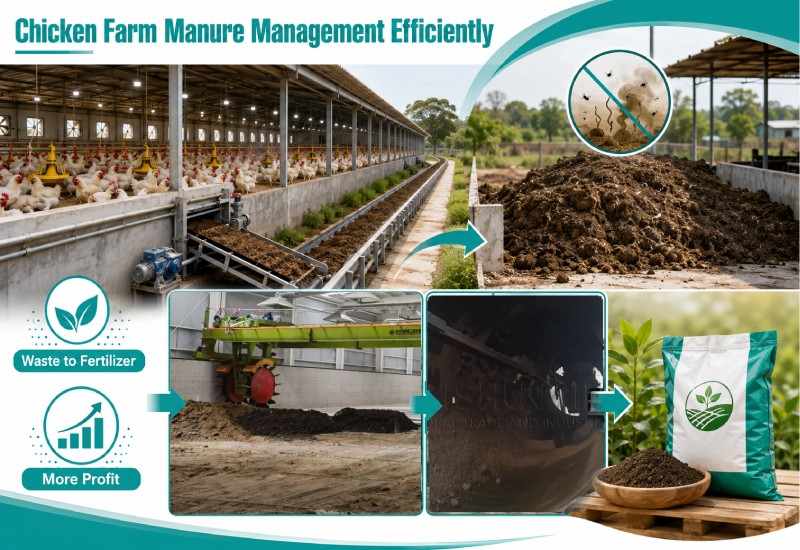
chicken farm manure management efficiently

How Does Production Capacity Change Investment Requirements?

Production capacity directly affects equipment size and production system configuration. A small farm-based project may focus on simple processing, while a commercial fertilizer factory may require a more complete production system.

When evaluating the 20 tph organic fertilizer production plant cost, you can consider not only the main machines but also supporting systems, including fermentation, material handling, granulation, drying, screening, and packaging.

A larger capacity project may involve more equipment and infrastructure, while a smaller system can provide a more flexible starting point.

How Does Plant Layout Influence Project Cost?

The arrangement of equipment affects material movement, installation requirements, and future operation convenience.

A well-planned organic fertilizer production plant layout considers the connection between fermentation areas, processing equipment, storage sections, and packaging zones.

A reasonable layout can help you improve workflow efficiency and create better conditions for maintenance and future expansion.

How Does Equipment Selection Influence the Final Budget?

Different production goals require different equipment configurations. A powder fertilizer project may need fewer processing steps, while granular fertilizer production can include additional granulation, drying, cooling, and screening equipment.

The organic fertilizer manufacturing plant cost depends on the selected process, production scale, and automation level.

Working with an experienced organic fertilizer production plant manufacturer allows you to discuss raw materials, capacity targets, and product requirements before confirming the final configuration.

Click here for more details to explore more organic fertilizer production solutions.

Planning Your Livestock Manure Fertilizer Project

The investment for a livestock manure organic fertilizer production plant depends on many connected factors. Raw material conditions, production capacity, plant design, and equipment selection all influence the final project solution.

By reviewing these factors together, you can create a fertilizer production system that supports your current needs and future business development.

For more information about livestock manure organic fertilizer production plant cost and related solutions, you can visit https://www.shunxin.eu/organic-fertilizer-production-plant-cost/
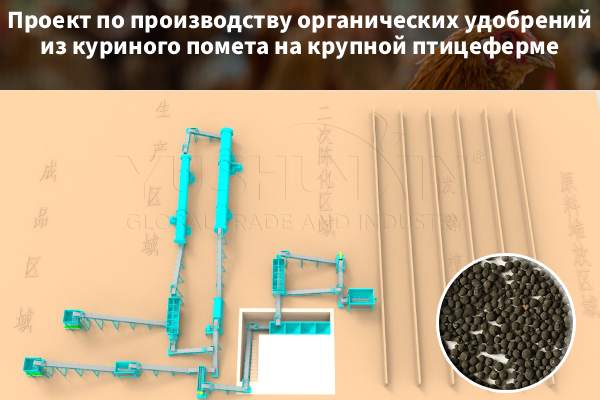
Обработка помёта от 500 000 кур: эффективные решения для экологичного и ресурсосберегающего производства

С быстрым развитием современной птицеводческой отрасли все большее распространение получают крупные птицефабрики, и проблема утилизации помёта становится всё более актуальной. Например, при содержании 500 000 кур (несушек или бройлеров) ежедневно образуется огромное количество помёта. Если его неправильно утилизировать, это не только приведёт к загрязнению окружающей среды, но и отрицательно скажется на устойчивом развитии самой птицефабрики. Поэтому научно обоснованные, эффективные и экологичные способы обработки куриного помёта приобретают особую важность. В этой статье подробно рассматриваются проблемы, связанные с обработкой помёта от 500 000 кур, основные технологии, варианты ресурсосберегающей утилизации и экономическая эффективность.

Проект-производство-органических-удобрений

1. Объёмы и вызовы переработки куриного помёта

В среднем одна курица выделяет около 150 грамм помёта в сутки. Следовательно, 500 000 кур производят примерно 75 тонн помёта ежедневно. Такое количество отходов, если его просто складировать или сбрасывать, может привести к эвтрофикации водоемов, загрязнению почвы и выделению неприятных запахов, что вызовет жалобы населения и штрафные санкции. Кроме того, в помёте могут содержаться патогенные микроорганизмы и паразиты, что представляет риск для здоровья людей и животных.

2. Основные технологии обработки куриного помёта

– Компостирование и производство органических удобрений
Компостирование — это основной, самый ресурсосберегающий способ утилизации куриного помёта. Технология включает сбор помёта, его разделение на твёрдую и жидкую фракции, внесение полезных бактерий, аэрацию, созревание, просеивание и глубокую переработку. В ходе высокотемпературного аэробного компостирования вредные микроорганизмы и яйца гельминтов погибают, запах существенно снижается, в результате получается качественное органическое удобрение.

– Сушка и производство гранулированных удобрений
В крупных хозяйствах можно использовать сушильные установки для ускоренного удаления влаги из помёта, после чего его измельчают и формируют в гранулы. Гранулированные удобрения легко транспортировать и применять в сельском хозяйстве.

– Биогазовые комплексы и эколого-биологические круговые системы
Некоторые хозяйства используют анаэробные биореакторы, где помёт перерабатывается в биогаз с помощью микроорганизмов. Полученные после этого осадки и жидкие фракции применяются как органические удобрения, а биогаз используется для выработки энергии или отопления.

– Биологическая переработка при помощи насекомых и червей
В последние годы перспективным направлением является использование личинок чёрной львинки или дождевых червей для биологической переработки помёта. Это позволяет эффективно уменьшить объем отходов и получить ценные продукты.

3. Рекомендации по оснащению для птицефабрики на 500 000 кур

– Пресс для разделения твёрдой и жидкой фракций
– Компостные установки с автоматическим переворачиванием и аэрацией
– Линии для гранулирования, сушильные и охлаждающие устройства
– Биогазовые установки и вспомогательное оборудование (если применяется анаэробная технология)
– Автоматизированные системы транспортировки, дезодорации и мониторинга

4. Ресурсосберегающая утилизация и экономическая выгода

После переработки куриный помёт превращается в высококачественное органическое удобрение, которое востребовано на рынке и стоит дороже минеральных удобрений. При наличии биогазовой установки можно дополнительно получать тепло и электроэнергию. Например, 75 тонн помёта в день дают около 20 000 тонн органических удобрений в год, что приносит значительный доход и обеспечивает агропредприятия ценными ресурсами.

5. Экологическая политика и тенденции развития

С ужесточением экологического законодательства ресурсосберегающая утилизация отходов животноводства становится обязательным требованием. Государство и региональные власти оказывают поддержку оборудованию и технологиям по утилизации помёта. В перспективе интегрированные, автоматизированные, замкнутые системы обработки помёта станут стандартом отрасли.

Более подробную информацию можно найти на сайте:Обработка помёта от 500 000 кур — не только залог устойчивого развития предприятия, но и вклад в охрану окружающей среды. Использование современных технологий и оборудования позволяет не только обезвредить отходы, но и превратить их в источник дохода и экологически чистых ресурсов. Развивайте экологичное производство — будущее за зелёными технологиями! https://www.liniyaudobreniy.com/proekt-po-proizvodstvu-organicheskikh-udobreniy-iz-kurinogo-pometa-na-krupnoy-ptitseferme-500-000-kur/

Turning Poultry Waste into Profit: The Process of Chicken Manure Liquid Fertilizer Production

Transforming chicken manure into liquid fertilizer is an efficient way to recycle poultry waste into a nutrient-rich product that supports sustainable farming. Compared with traditional composting, the chicken manure liquid fertilizer production line allows for faster nutrient conversion, better control of microbial activity, and a cleaner working environment. This guide outlines the main steps and equipment involved in producing high-quality chicken manure liquid biofertilizer.

1. Why Choose Liquid Fertilizer from Chicken Manure

Chicken manure contains 1.6–1.8% nitrogen, 1.5–1.6% phosphorus, and 0.8–1.0% potassium—higher than most livestock waste. However, its high moisture (around 70–80%) and pathogen content require special treatment. Converting it into liquid fertilizer through a controlled production process eliminates odors, stabilizes nutrients, and creates a product suitable for drip irrigation or foliar application.

The Process of Chicken Manure Liquid Fertilizer Production

2. Pre-Treatment and Solid-Liquid Separation

The first step in the liquid chicken manure fertilizer manufacturing process is pre-treatment. Fresh manure is pumped into a solid-liquid separator to remove large solids. The separated liquid portion becomes the raw material for fertilizer production, while the solids can be composted or pelletized for other uses. Adjusting moisture content to around 60% ensures ideal fermentation conditions.

3. Anaerobic Fermentation and Nutrient Extraction

In the chicken manure liquid fertilizer production system, anaerobic digestion tanks are used to break down organic matter. During fermentation, beneficial microorganisms decompose complex compounds into amino acids, organic acids, and humic substances. This not only enriches the nutrient profile but also eliminates harmful bacteria. The typical fermentation period lasts 10–20 days, depending on temperature and microbial activity.

4. Filtration and Nutrient Enhancement

After fermentation, the liquid is filtered to remove impurities. At this stage, nutrient blending tanks are used to balance NPK ratios according to specific crop requirements. Common formulations range from 3-5-3 to 6-6-6, depending on the fertilizer purpose. To enhance effectiveness, trace elements (like zinc, iron, or magnesium) and bioactive agents (such as amino acids or seaweed extracts) can be added.

5. Quality Control and Storage

Before packaging, pH, nutrient concentration, and microbial count are tested to ensure consistent quality. The liquid fertilizer is then stored in sealed stainless steel tanks to prevent contamination. If microbial strains are included, temperature should be kept below 40°C to maintain viability.

6. Cost and Equipment Considerations

The cost of a chicken manure liquid fertilizer production line depends on capacity and automation. A small plant (1–3 tons per hour) may cost around $25,000–$50,000, while a fully automated system with fermentation, filtration, and filling units can exceed $100,000. Key equipment includes solid-liquid separators, fermentation tanks, nutrient blending systems, filters, and filling machines. Learn more!


In summary, the chicken manure liquid fertilizer production process is an eco-friendly solution that turns waste into value. With proper treatment, nutrient balancing, and equipment design, poultry farms can transform manure management challenges into profitable, sustainable fertilizer products. If you need a business plan, you can visit: https://www.liquidfertilizerplants.com/products/liquid-chicken-poop-fertilizer-production-line/