Compost Round Granule Making: Key for Producing Uniform Organic Fertilizer Pellets

Producing high-quality organic fertilizer is not only about nutrient content, but also about particle size, shape, and consistency. In today’s fertilizer market, farmers and distributors prefer pellets that are easy to store, transport, and apply. This is why compost round granule making has become an important step in modern organic fertilizer manufacturing. Uniform pellets improve both product appearance and practical performance, helping producers enhance their competitiveness.

Why Round Granules Matter

Compared with irregular powder or uneven pellets, round granules offer better flowability and a more professional appearance. They are less likely to create dust during packaging and transportation, which improves the working environment and reduces material loss. In addition, uniform pellets can support more balanced application in the field, making them more attractive to end users.

For compost-based fertilizer producers, the goal is usually to turn fermented organic materials into stable, marketable pellets. This transformation often depends on the right granulation technology and suitable moisture control. A reliable spherical granule fertilizer machine can help manufacturers produce pellets with smoother surfaces and more consistent sizes, which is especially important for commercial sales.

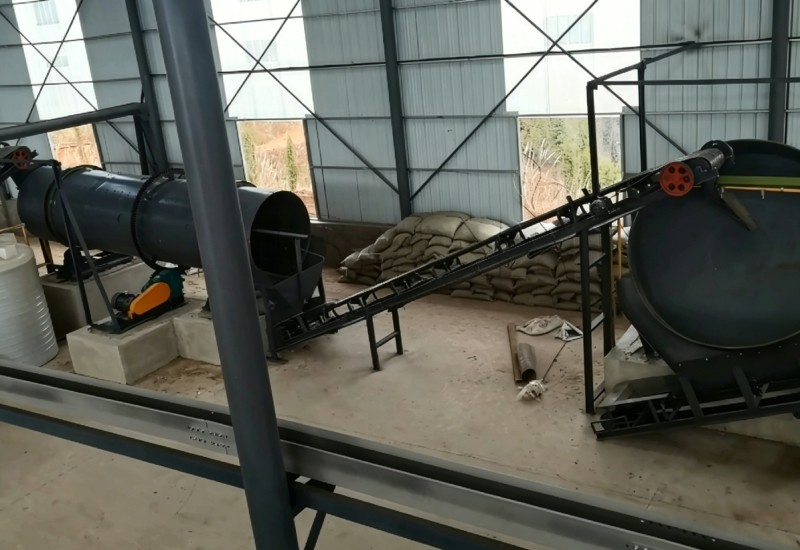
round ball compost granulators

Key Steps in Granule Production

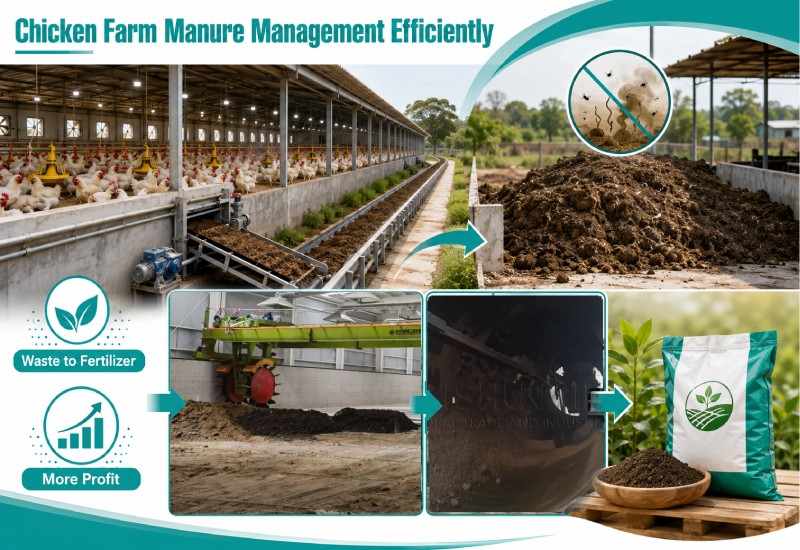
The success of pellet manufacturing depends on a clear and efficient round shape fertilizer granules production process. First, compost raw materials such as animal manure, agricultural waste, or bio-organic residues need to be fully fermented. Proper fermentation reduces odor, eliminates harmful pathogens, and improves the stability of the material.

After fermentation, the compost is usually crushed into fine powder and screened to remove oversized particles. The material is then mixed with any additional nutrients or binders if needed. Once prepared, it enters the granulation stage, where the powder is formed into small pellets. After granulation, the pellets may go through drying, cooling, screening, and coating before final packaging. Each step contributes to creating a finished product that meets market requirements.

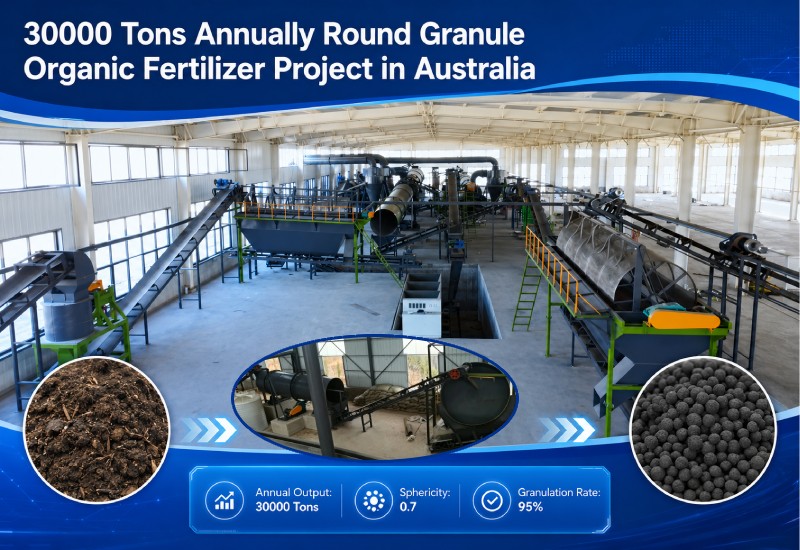
organic fertilizer spherical granule manufacturing plant setup

Equipment Selection and Investment

Choosing the right machine has a direct impact on product quality and long-term efficiency. During fertilizer round granule making, producers should consider raw material characteristics, moisture content, target capacity, and final granule size. Equipment with stable operation and easy maintenance can significantly improve production continuity.

Many investors are also concerned about spherical granule fertilizer machine cost, which can vary depending on machine model, output capacity, material quality, and automation level. While budget is important, it is equally necessary to evaluate energy consumption, wear resistance, and after-sales service. A lower initial price may not always mean better value in the long run.

Market Opportunities for Organic Fertilizer Projects

As sustainable agriculture continues to grow worldwide, the demand for organic fertilizer pellets is increasing. Producers looking to start round granule organic fertilizer project in Australia may find strong opportunities due to rising environmental awareness and the development of eco-friendly farming practices. Compost-based pellet fertilizer can match the needs of growers who want efficient nutrient delivery with better handling performance.

Conclusion

Compost round granule making plays a key role in producing uniform organic fertilizer pellets that meet modern market expectations. With the right production process, proper equipment, and a clear investment strategy, manufacturers can create high-value products for agricultural use. Round granules are not only easier to manage but also help improve product image and customer satisfaction in a competitive fertilizer industry. If you are interested in the project, you can visit https://www.granulatedcompostsolutions.com/product/round-ball-compost-pellet-machine/

How to make organic fertilizer quickly

 Producing organic fertilizer quickly using professional organic fertilizer equipment is a sustainable and efficient way to recycle organic waste into a valuable resource for agriculture and gardening. This process not only reduces landfill waste but also produces nutrient-rich compost that can enhance soil health. Here’s a comprehensive guide on how to make organic fertilizer swiftly using advanced equipment.

Step 1: Collect Raw Materials

Begin by gathering an appropriate mix of organic materials. This can include animal manure, crop residues, food waste, and garden waste. Ensure the materials are free from contaminants such as plastic or chemicals that could disrupt the organic fertilizer production quality.

Step 2: Pre-Processing

Before introducing the materials into the organic composting system, they need to be pre-processed. Use shredders or grinders to reduce the size of organic waste. Smaller particles decompose faster because they have more surface area for microbes to work on. Aim for a carbon-to-nitrogen ratio of about 25-30:1, which optimizes microbial activity and accelerates decomposition.

Step 3: Utilize Professional Equipment

Professional organic fertilizer equipment, such as compost turners, fermentation tanks, can significantly speed up the composting process. Here’s how each piece of equipment contributes:

– Compost Turners: These machines aerate the compost pile by turning it regularly. Aeration is crucial because it supplies oxygen to the microorganisms that decompose the organic material. Regular turning also helps distribute moisture evenly and maintain a uniform temperature throughout the pile.

– Fermentation Tanks: These closed systems offer precise control over the environmental conditions required for rapid composting. By adjusting temperature, moisture, and aeration, fermentation tanks speed up the decomposition process significantly.

Step 4: organic fertilizer granulation

Then you can process organic compost into fertilizer pellets. There are various organic fertilizer granulation equipment for your choice. including economical disc granulator, large scale rotary drum granulation machine, roller press dry granulation machine, etc.
They can fully meet your requirements of organic fertilizer making plant setup.

Click more.

Step 5: Final Processing

Finally, you need to dry and cool organic fertilizer to make it easier to transport, store and use. Then, you can packing them to sell your customers.

Conclusion

By leveraging professional organic fertilizer equipment, the time required to produce high-quality compost can be significantly reduced. This approach not only boosts production efficiency but also contributes to sustainable waste management and soil enrichment practices. Through careful management of the composting process, you can transform organic waste into a valuable resource quickly and efficiently. If you are interested in the machine, you can visit https://fertilizerequipmentmanufacturer.com/how-to-make-organic-fertilizer/ for more information.

What Machines Are Needed In Compost Pellet Making

In the quest for organic fertilizer making, the compost pellet production machines emerge as a pivotal innovation. These machines transform organic waste into nutrient-rich pellets, offering an environmentally friendly solution to traditional synthetic fertilizers. Let’s delve into the workings, benefits, and impact of compost pellet making machines on modern agriculture.

Understanding the Compost Pellet Making Machine

A compost pellet machine is designed to convert organic materials such as animal manure, food waste, and plant residues into compact, uniform pellets. The process begins on the basis of organic compost making. This compost is fed into the pellet machine, which uses pressure or liquid cohension to form the material into small, dense pellets.

Key Components and Process

In general, compost pellet making process contains equipment as follows.

1. Crusher: Breaks down larger pieces of organic waste into a manageable size.
2. Mixer: Ensures an even distribution of moisture and nutrients.
3. Granulator: Make the compost into pellets. There are various compost granulating machines for your choice. large or small scale, for wet or dried compost pelleting, etc Click here for more information.
4. Dryer: Reduces the moisture content of the pellets to enhance storage stability.
5. Cooler: Lowers the temperature of the pellets post-drying to prevent clumping.
6. Screening Machine: Separates qualified pellets from fines, ensuring uniform size.

Advantages of Compost Pellets

There are reason why dispose of composted organic fertilizer into pellets.

1. Nutrient-Rich and Balanced Fertilizer: Compost pellets provide essential nutrients such as nitrogen, phosphorus, and potassium, promoting healthy plant growth.
2. Improved Soil Structure: Regular application of compost pellets enhances soil aeration, water retention, and microbial activity.
3. Environmental Sustainability: By recycling organic waste, compost pellet machines reduce landfill usage and greenhouse gas emissions.
4. Cost-Effective: Utilizing on-farm waste reduces the need for expensive commercial fertilizers.
5. Ease of Application: Pellets are easy to handle and apply uniformly using standard farming equipment.

Impact on Modern Agriculture

The adoption of compost pellet making machines is revolutionizing sustainable agricultural practices. Farmers and agricultural businesses are increasingly recognizing the value of turning organic waste into a resource rather than a liability. This shift not only enhances soil health and crop yields but also contributes to a more sustainable and resilient food system.

Government policies and incentives are further encouraging the adoption of organic fertilizers, aligning with global goals to reduce chemical fertilizer use and promote organic farming. The scalable nature of compost pellet machines makes them suitable for a range of operations, from small family farms to large agribusinesses. If you need the machine, you can visit https://www.granulatedcompostsolutions.com/product/compost-granulating-machine/

Conclusion

Compost pellet making machines are at the forefront of the sustainable agriculture movement. By converting organic waste into valuable fertilizer, these machines offer a practical and eco-friendly solution to improve soil health, increase crop productivity, and reduce environmental impact.

Maximizing Profit: Cost-Effective Strategies for Organic Fertilizer Plant Operations

In an era where sustainability and profitability must go hand in hand, organic fertilizer plants face the challenge of maximizing profits while adhering to eco-friendly practices. The good news is that a variety of cost-effective strategies can significantly enhance the operational efficiency and financial health of these plants. Let’s explore some of these strategies to start an organic fertilizer plant economically.

1. Optimize Raw Material Sourcing

The first step towards cost-effective organic fertilizer manufacturing operations is sourcing raw materials efficiently. Organic fertilizer plants often rely on agricultural residues, animal manure, and organic waste. Establishing partnerships with local farms and waste management companies can secure a consistent supply of raw materials at lower prices. Additionally, negotiating long-term contracts can provide price stability, further reducing costs of organic fertilizer production.

2. Invest in Efficient organic fertilizer making machine

Investing in efficient organic fertilizer making machines may seem expensive initially, but it pays off in the long run. Modern composting machines and aerobic fermentation compsotor optimize the breakdown of organic materials, reducing processing time and energy consumption. Automation in mixing, drying and packaging can also minimize labor costs while increasing production efficiency. Keeping abreast of technological advancements ensures competitive and cost-effective organic fertilizer making operations. Click here to learn more.

3. Implement Waste Minimization Practices

Waste not, want not—this old adage holds true in organic fertilizer production. Efficient waste management practices, such as recycling process water and reusing heat energy, can lead to significant cost savings. By converting all potential waste into useful by-products, plants can minimize disposal costs of organic waste and even create additional revenue streams.

4. Focus on Quality Control

Quality control is crucial in maintaining a competitive edge and ensuring customer satisfaction. High-quality organic fertilizers command better prices and foster customer loyalty. Implementing rigorous quality checks at every stage of production—from raw material intake to the final product—can prevent costly recalls and rework. Consistent quality also strengthens brand reputation, enabling premium pricing.

5. Leverage Government Incentives

Many governments offer incentives for sustainable practices, including grants, tax breaks, and low-interest loans. Organic fertilizer plant operators should stay informed about these opportunities and leverage them to offset operational costs. Engaging with local environmental agencies can also open doors to collaborative projects and additional funding sources.

6. Foster Employee Training and Engagement

Skilled and engaged employees are invaluable assets. Investing in regular training programs ensures that staff are proficient in using advanced machinery and adhering to best practices. Encouraging a culture of innovation and continuous improvement can lead to operational efficiencies and cost-saving ideas from within the team.

In conclusion, maximizing profit in organic fertilizer plant operations is a multifaceted endeavor. By optimizing raw material sourcing, investing in efficient technology, minimizing waste, focusing on quality control and leveraging government incentives,  plant operators can achieve sustainable profitability. Implementing these strategies not only enhances financial health but also contributes to broader environmental and social goals, creating a win-win scenario for all stakeholders. If you are interested in it, you can visit https://www.fertilizerbusinessplan.com/investment-of-organic-fertilizer-plant-setup/

What Are The Various Components of An Organic Fertilizer Production Line?

An organic fertilizer production line brings together a range of components that work harmoniously to transform organic waste materials into nutrient-rich fertilizers. Understanding the key components of this production line is crucial for maximizing efficiency and ensuring high-quality output.

Equipment commonly used in organic fertilizer production
  1. Feeding System

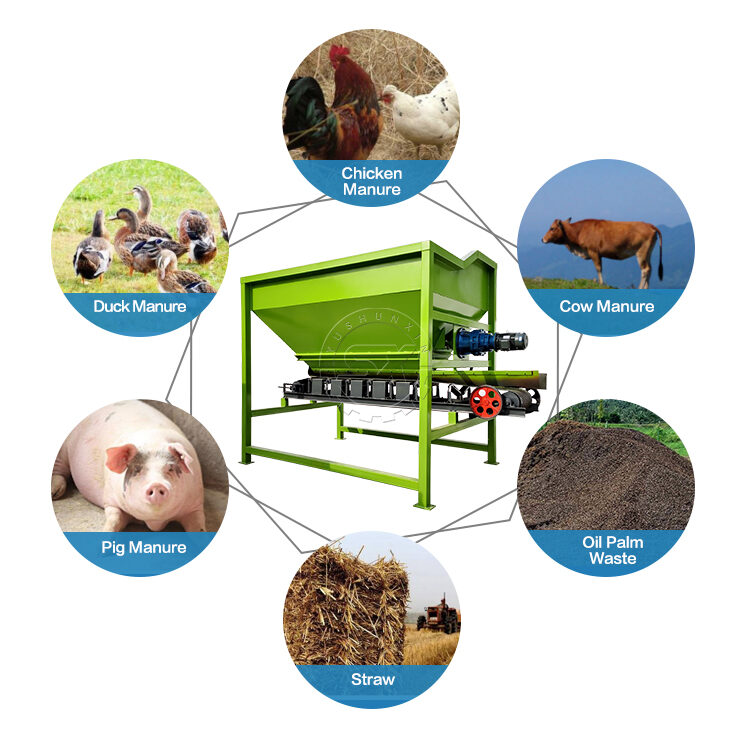
The process of organic waste disposal begins with the feeding system, where raw organic materials are introduced into the production line. The loader type feeder is where organic waste materials, such as animal manure, crop residues, or food waste, are deposited. It also ensures a steady and controlled supply of materials, laying the foundation for the fertilizer-making process.

Raw materials of loader type feeder

  1. Conveyor Belt

The conveyor belt transports the raw materials from the hopper to subsequent processing stages. It aids in automating and streamlining the production line, saving time and labor.

Belt Conveying Machine
  1. Crushing Machine

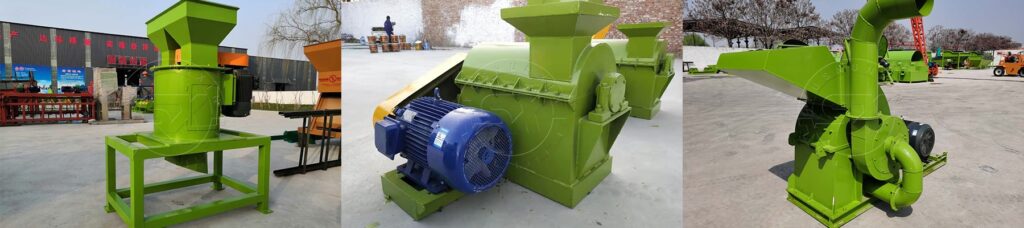
SX composter grinders is responsible for breaking down large organic waste materials into smaller particles. This step enhances the efficiency of subsequent processing and promotes faster decomposition.

Compost Crushers
Compost Crushers
  1. Blending Equipment

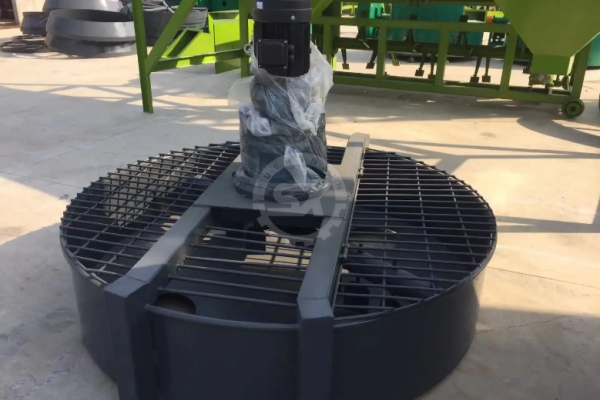
The organic fertilizer mixing machine like pan mixer combines the crushed raw materials with other additives, such as microbial agents or mineral supplements. The homogenous mixture ensures even distribution of nutrients and enhances the overall quality of the fertilizer.

Disc Mixer
Disc Mixer
  1. Fermentation System

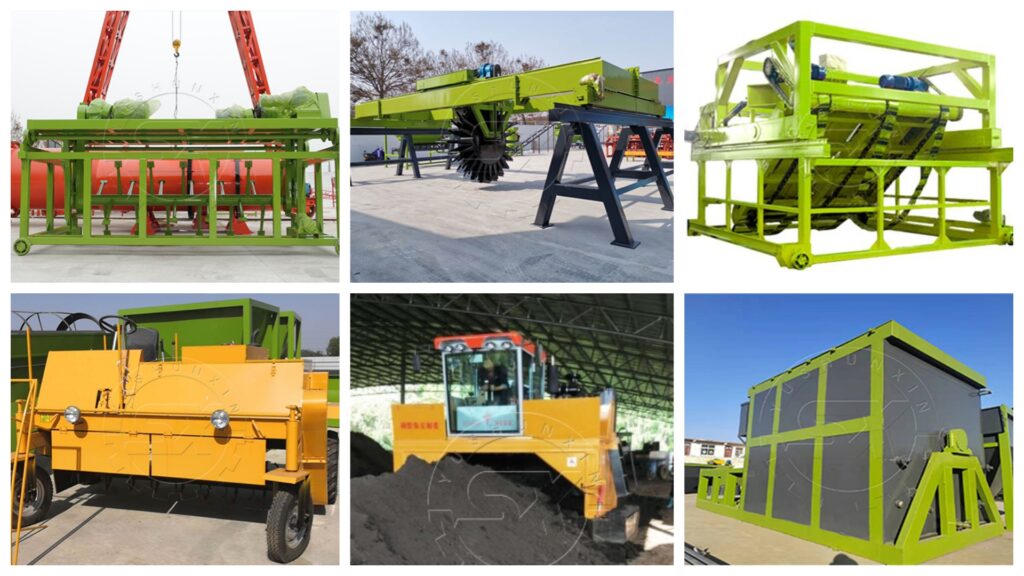
Compost fermentation is a crucial step where organic materials undergo decomposition, breaking down complex compounds into simpler, nutrient-rich substances. Dedicated fermentation equipment provides the ideal environment for microorganisms to thrive, accelerating the decomposition process. They include rail type compost turners, windrow type composters and horizontal or vertical fermentation pots.

Compost Machines
Compost Machines
  1. Granulation Machine

Granulation is the process of shaping the blended material into granules, pellets, or other desired forms. The granulation machine plays a pivotal role in shaping the fertilizer particles, ensuring they are uniform in size and structure. Our company provides a series of organic fertilizer granulators for your options.

Click here to know more about the specifications.

Compost granule making machines commonly used
  1. Drying System

After granulation, the fertilizer undergoes a drying process to remove excess moisture. The rotary drum dryer employs advanced technology to maintain the integrity of the granules while reducing moisture content, extending the shelf life of the product, preventing caking, enhancing the usability.

Components of Drum Dryers
  1. Cooling and Screening Equipment

Cooling equipment cools down the hot fertilizer granules, preventing them from sticking together. The cooling machine reduces the temperature of the dried fertilizer to ensure safe handling and packaging.

Subsequently, the screening machine separates the finished fertilizer into different particle sizes,  ensuring consistency and quality in the final product.. This step removes any impurities and ensures a high-quality end product.

Rotary Screening Machine
  1. Coating Machine

Optional in some production lines, the coating machine applies a protective layer to the fertilizer granules. This coating can enhance nutrient release, reduce nutrient leaching, and improve the fertilizer’s efficiency when applied to the soil.

Coating Machine
Coating Machine
  1. Packaging Machine

The packaging machine facilitates the final stage of the production line by automating the filling, weighing, and sealing of the organic fertilizer in bags or containers. It ensures convenience and efficiency in packaging for distribution and sale.

Double Bucket Packing Scale

Conclusion

An organic fertilizer production line comprises a range of crucial components that work together to transform organic waste into valuable fertilizers. Each component plays a specific role in the process, from raw material handling and crushing to fermentation, drying, and packaging. Understanding the functions of these components is vital for optimizing efficiency, quality control, and the overall success of your organic fertilizer production line. Click this link: https://www.fertilizerproductequipment.com/organic-fertilizer-production-line/ for more details.