
Producing high-quality organic fertilizer is not only about nutrient content, but also about particle size, shape, and consistency. In today’s fertilizer market, farmers and distributors prefer pellets that are easy to store, transport, and apply. This is why compost round granule making has become an important step in modern organic fertilizer manufacturing. Uniform pellets improve both product appearance and practical performance, helping producers enhance their competitiveness.
Why Round Granules Matter
Compared with irregular powder or uneven pellets, round granules offer better flowability and a more professional appearance. They are less likely to create dust during packaging and transportation, which improves the working environment and reduces material loss. In addition, uniform pellets can support more balanced application in the field, making them more attractive to end users.
For compost-based fertilizer producers, the goal is usually to turn fermented organic materials into stable, marketable pellets. This transformation often depends on the right granulation technology and suitable moisture control. A reliable spherical granule fertilizer machine can help manufacturers produce pellets with smoother surfaces and more consistent sizes, which is especially important for commercial sales.
Key Steps in Granule Production
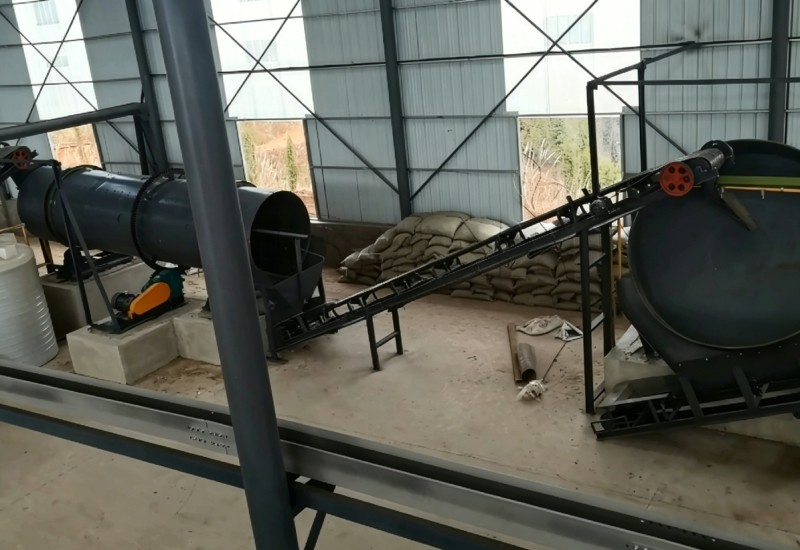
The success of pellet manufacturing depends on a clear and efficient round shape fertilizer granules production process. First, compost raw materials such as animal manure, agricultural waste, or bio-organic residues need to be fully fermented. Proper fermentation reduces odor, eliminates harmful pathogens, and improves the stability of the material.
After fermentation, the compost is usually crushed into fine powder and screened to remove oversized particles. The material is then mixed with any additional nutrients or binders if needed. Once prepared, it enters the granulation stage, where the powder is formed into small pellets. After granulation, the pellets may go through drying, cooling, screening, and coating before final packaging. Each step contributes to creating a finished product that meets market requirements.
Equipment Selection and Investment
Choosing the right machine has a direct impact on product quality and long-term efficiency. During fertilizer round granule making, producers should consider raw material characteristics, moisture content, target capacity, and final granule size. Equipment with stable operation and easy maintenance can significantly improve production continuity.
Many investors are also concerned about spherical granule fertilizer machine cost, which can vary depending on machine model, output capacity, material quality, and automation level. While budget is important, it is equally necessary to evaluate energy consumption, wear resistance, and after-sales service. A lower initial price may not always mean better value in the long run.
Market Opportunities for Organic Fertilizer Projects
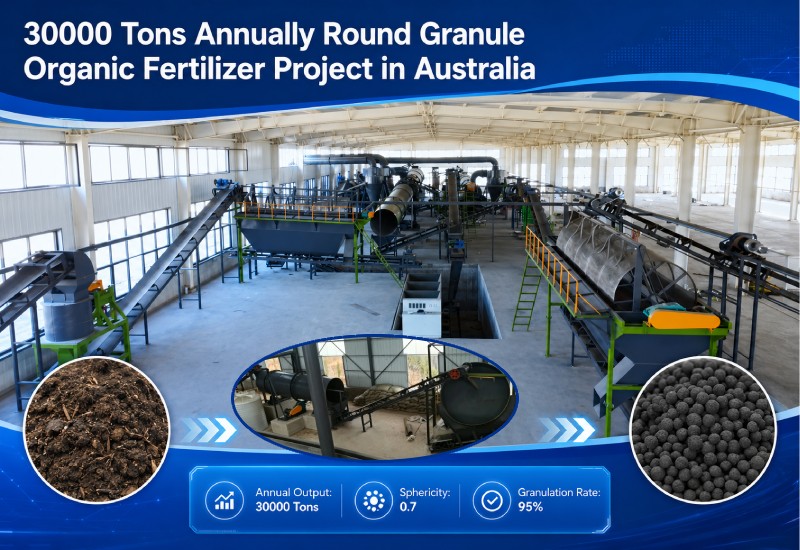
As sustainable agriculture continues to grow worldwide, the demand for organic fertilizer pellets is increasing. Producers looking to start round granule organic fertilizer project in Australia may find strong opportunities due to rising environmental awareness and the development of eco-friendly farming practices. Compost-based pellet fertilizer can match the needs of growers who want efficient nutrient delivery with better handling performance.
Conclusion
Compost round granule making plays a key role in producing uniform organic fertilizer pellets that meet modern market expectations. With the right production process, proper equipment, and a clear investment strategy, manufacturers can create high-value products for agricultural use. Round granules are not only easier to manage but also help improve product image and customer satisfaction in a competitive fertilizer industry. If you are interested in the project, you can visit https://www.granulatedcompostsolutions.com/product/round-ball-compost-pellet-machine/