How Do Different Drying Processes Affect the Nutrient Content of Pomace Fertilizers?

Pomace fertilizers, produced from the byproducts of fruit and vegetable processing, offer a sustainable solution for managing high-moisture organic waste. Various industries generate large volumes of moist byproducts, such as apple pomace, grape marc, citrus residues, and tomato skins. These materials, rich in organic matter and nutrients, serve as excellent raw materials for organic fertilizer production. The food and beverage industry often seeks efficient pomace management, not only to reduce disposal costs but also to recycle nutrients back into agricultural cycles. Meanwhile, the agriculture sector benefits from converting pomace into compost, granulated fertilizer, or pellets, which improve soil fertility and structure. Each industry, therefore, relies on specialized pomace fertilizer production processes to meet unique requirements in waste management, nutrient recycling, and environmental compliance.

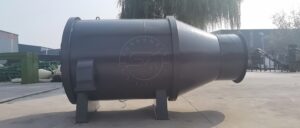
Pomace Dryer

What Are the Key Stages in Pomace Fertilizer Production and Water Reduction?

Pomace, due to its high initial moisture content—often above 90%—requires multiple water reduction steps before it becomes a stable, nutrient-rich fertilizer product. The pomace fertilizer manufacturing process generally involves four main stages: dewatering, composting, granulation, and drying. In the dewatering stage, equipment such as screw presses or dewatering machines physically remove a significant portion of the free water, quickly reducing moisture content to around 60-70%. Next, composting machinery promotes biological decomposition, further lowering moisture and stabilizing the organic matter, while simultaneously enriching the nutrients in the pomace fertilizer. In the granulating or pelletizing stage, wet granulators and pelletizers shape the composted material into uniform granules or pellets, with moisture levels typically between 20% and 40%. Finally, the drying stage employs advanced pomace dryer machines, where controlled hot air or heat transfers remove remaining moisture, reducing content to 10% or lower. This systematic approach ensures that pomace fertilizer products become safe for storage, transportation, and application, while preserving their nutritional value.

How Do Drying Technologies Influence the Nutrient Content of Pomace Fertilizer?

The drying process represents a critical stage in pomace fertilizer production since it directly affects both the physical quality and nutrient content of the final product. Different drying technologies—such as rotary drum dryers—offer various advantages in terms of energy efficiency, temperature control, and capacity. For example, a rotary drum pomace dryer provides uniform heat distribution, which can minimize nutrient loss by preventing overheating and localized burning of the organic material. Precise temperature regulation during drying is essential because excessive heat may degrade sensitive nutrients, such as nitrogenous compounds, amino acids, and certain vitamins, reducing the agronomic value of the pomace fertilizer pellets or granules. In contrast, inadequate drying can lead to mold growth and nutrient leaching during storage. Therefore, selecting the appropriate pomace drying technology and optimizing process parameters is crucial for maintaining both product stability and nutrient retention throughout the pomace fertilizer production cycle.

Which Equipment and Technologies Best Support Efficient Pomace Fertilizer Manufacturing?

Efficient pomace fertilizer manufacturing systems depend on the integration of advanced machinery for each stage of the procedure. Dewatering machines, such as screw or belt presses, remove initial free water quickly, which reduces drying energy requirements later on. Compost turners or composting reactors accelerate the biological conversion of wet pomace into stable, nutrient-rich compost. Wet granulators and pelletizers shape the material into particles suitable for application and further drying. The most critical equipment in this process remains the dedicated pomace dryer, which employs tailored heat transfer and air circulation systems for optimal moisture reduction and product uniformity. Modern drying machines often feature automated moisture monitoring, adjustable temperature settings, and energy recovery modules, thereby maximizing both efficiency and quality in pomace fertilizer manufacturing. Coordinating these technologies ensures consistent moisture reduction, high nutrient retention, and a uniform particle size in the finished pomace fertilizer granules or pellets.

Summary

In summary, the nutrient content and physical quality of pomace fertilizer products depend heavily on the effectiveness of each water reduction step throughout the production process. From dewatering to composting, granulating, and drying, every stage requires specialized equipment and process control. The selection of a suitable pomace dryer and related machinery ultimately determines the preservation of valuable nutrients within the pomace fertilizer granules or pellets. As industries increasingly focus on sustainable waste management and nutrient recycling, the optimization of pomace fertilizer production systems becomes more important. A professional drying equipment manufacturer, such as Yushunxin, offers tailored solutions for pomace drying and organic fertilizer making, supporting clients in achieving high-quality, nutrient-rich pomace fertilizer products with efficient and reliable machinery. You can visit: https://www.fertilizerdryer.com/pomace-drying-machine/

How Can a Fertilizer Dryer Improve Mineral Fertilizer Quality?

The production of mineral fertilizers involves a complex process where raw materials undergo various stages of preparation, granulation, and drying. One critical component in this process is the fertilizer dryer, which plays a pivotal role in ensuring the quality of the final product. In this blog, we explore how a fertilizer dryer enhances the quality of mineral fertilizers, focusing on the specific needs and benefits for different industries.

What Raw Materials Are Suitable for Mineral Fertilizer Production?

Mineral fertilizers are typically derived from raw materials such as rock phosphate, limestone, potash, and various mineral ores. Each of these materials offers unique benefits for different agricultural applications. For example, rock phosphate is widely used in the production of phosphate fertilizers, which are essential for root development in plants. Limestone, on the other hand, is a key component in lime fertilizers, which help to neutralize acidic soils and improve nutrient availability.

The quality of these raw materials directly impacts the effectiveness of the fertilizer. Therefore, it is crucial to maintain the integrity of the minerals during the production process. This is where a fertilizer dryer becomes indispensable. By removing excess moisture from the granules, the dryer ensures that the minerals retain their chemical properties and do not degrade during storage or application.

Components of Drum Dryers

How Does a Fertilizer Dryer Enhance Granulation in Mineral Fertilizer Manufacturing?

Granulation is a vital step in the production of mineral fertilizers, as it transforms raw mineral materials into uniform granules. These granules are easier to handle, store, and apply, ensuring consistent nutrient distribution in the soil. However, the granulation process often introduces moisture into the fertilizer particles, which can lead to issues such as clumping, reduced shelf life, and uneven nutrient release.

A high-quality fertilizer dryer for mineral fertilizer processing addresses these challenges by effectively reducing the moisture content of the granules. This process not only prevents clumping but also enhances the hardness and durability of the granules, making them more resistant to physical degradation during transport and application. Additionally, the drying process ensures that the granules maintain their shape and size, which is crucial for uniform nutrient distribution in the field.

Rotary Drum Dryer
Rotary Drum Dryer

What Features Make a Fertilizer Dryer Essential for Mineral Fertilizer Production?

A fertilizer dryer is equipped with several features that make it indispensable in the production of high-quality mineral fertilizers. For instance, advanced temperature control systems allow the dryer to operate at optimal temperatures, ensuring that the mineral content of the granules is preserved. Furthermore, efficient airflow systems in the dryer facilitate even drying, preventing hotspots that could lead to the deterioration of the minerals.

Moreover, a fertilizer dryer integrates seamlessly with other equipment in the production line, such as ore fertilizer crusher machines, disc granulators, and screening machines. This integration ensures a smooth and efficient production process, where each stage complements the next. For example, after the ore fertilizer crusher machine reduces the raw materials to the desired size, the granulator shapes them into granules, which are then dried to perfection by the dryer. This synergy between different machines ensures that the final product meets the highest quality standards.

Why Choose Yushunxin Equipment for Mineral Fertilizer Production?

A professional fertilizer equipment manufacturer like Yushunxin offers a range of high-quality machines designed to meet the specific needs of mineral fertilizer production. Yushunxin’s fertilizer dryers, in particular, are engineered to provide superior drying performance, ensuring that the final product is of the highest quality. By investing in reliable equipment, producers can enhance the efficiency of their production processes, reduce operational costs, and deliver superior fertilizers that meet the needs of modern agriculture.

Conclusion

In conclusion, a fertilizer dryer plays a crucial role in improving the quality of mineral fertilizers. By effectively removing moisture from the granules, it ensures that the minerals retain their chemical properties and are ready for optimal use in agriculture. When integrated with other specialized equipment like ore fertilizer crushers and disc granulators, a fertilizer dryer becomes an essential component of a successful mineral fertilizer production line. With the right equipment, producers can achieve consistent, high-quality outputs that meet the demands of both the market and the environment. You can visit: https://www.mineralfertilizerproductionsolutions.com/product/fertilizer-dryer/

Tips for Fertilizer Drum Dryer Setup

Proper installation of a fertilizer drum dryer is crucial for its efficient operation in the organic fertilizer production process. Whether you are setting up a new system or replacing an old dryer, this blog will help you through the essential steps to ensure a smooth and successful installation. Here are some tips for fertilizer drum dryer setup!

Step 1: Pre-Installation Preparation

Before you begin the installation process, it’s essential to perform some preliminary steps:

  1. Site Selection: You can choose a suitable location for the drum dryer, considering factors like airflow, access to utilities, and proximity to the rest of your production equipment.
  2. Foundation: You need to prepare a sturdy concrete foundation that can support the weight of the dryer and provide stability.
  3. Utilities: You must ensure access to the necessary utilities such as electricity, gas, or steam, depending on the type of dryer you have.

Step 2: Assemble the Drum Dryer

  1. Unpacking: You should carefully unpack all the components of the drum dryer, making sure that nothing is damaged during transportation.
  2. Assembly: You ought to follow the equipment manufacturer’s instructions to assemble the drum dryer components. This typically involves connecting the support structure, the drum, and the heating system.

Click here for more information!


Components of Drum Dryers
                                                                   Components of Drum Dryers

Step 3: Position the Drum Dryer

You place the assembled drum dryer on the prepared foundation, and make sure it’s level and securely anchored to the foundation to prevent any vibrations or instability during operation.

Step 4: Connect Utilities

  1. Electrical Connections: If your dryer requires electricity, you can find a local electrician to connect it to the power source.
  2. Gas or Steam Connections: If your dryer uses gas or steam for heating, you must find workers to connect the necessary pipelines to ensure a safe and reliable heat source.
Hot Air Blast
Hot Air Blast

Step 7: Run Test Drying

You can make trial operation by running the drum dryer with a small batch of material to ensure it dries evenly and efficiently, and make any necessary adjustments based on the test results.

Step 8: Routine Maintenance and Troubleshooting

  1. Maintenance Plan: You can develop a routine maintenance schedule for your drum dryer to keep it in optimal condition and prevent breakdowns.
  2. Troubleshooting: You should familiarize yourself with common issues and troubleshooting techniques for your dryer to address any problems promptly.

Conclusion

Installing a fertilizer drum dryer may seem like a complex task. But by following these steps and our guidelines, you can ensure a successful installation. A well-installed drum dryer is an essential component in organic fertilizer production, contributing to the efficiency of the drying process and the overall quality of your fertilizers. Please remember that safety and regular maintenance are key to long-term, trouble-free operation. Visit this website: https://www.fertilizerdryer.com/how-to-install-the-rotary-drum-dryer/ for more details!