Продажа оборудования для производства гранулированного тофу-кошачьего наполнителя — откройте новые возможности на рынке экологичных товаров для домашних животных

С ростом популярности “экономики домашних питомцев” экологически чистый наполнитель из тофу становится все более востребованным среди кошатников. Для предприятий, желающих войти в индустрию товаров для животных, инвестиция в высокоэффективную и интеллектуальную линию по производству наполнителя из тофу — это ключ к завоеванию рынка и повышению конкурентоспособности. Мы профессионально поставляем высококачественное оборудование для производства гранулированного тофу-кошачьего наполнителя и поможем вам легко открыть новые возможности на рынке экологичных товаров для домашних животных!

Тофу для кошачьего туалета

Почему стоит выбрать линию для производства тофу-кошачьего наполнителя?

1. Высокий рыночный спрос
Тофу-кошачий наполнитель популярен среди владельцев кошек благодаря экологичности, низкой запыленности, безопасности и легкой растворимости. Спрос на рынке стабильно растет, и этот продукт становится новым стандартом в индустрии товаров для домашних животных.

2. Современная производственная технология
Процесс производства наполнителя из тофу хорошо отработан, уровень автоматизации высок, производительность отличная, а качество стабильно, что позволяет удовлетворять различные требования клиентов.

3. Быстрая окупаемость инвестиций
Инвестиции в оборудование доступны, после выхода на эксплуатацию вы сможете быстро наладить массовое производство, окупить вложения в короткие сроки и обеспечить долгосрочную прибыль.

Наши преимущества оборудования

– Полностью автоматическая производственная линия, комплексное решение
Автоматизация всех этапов: дозирование сырья, смешивание, гранулирование, просеивание, сушка, охлаждение, автоматическая упаковка. Снижение затрат на рабочую силу и повышение эффективности.

– Высокая эффективность и энергосбережение, экологичность
Применение современных энергосберегающих технологий, низкое энергопотребление, минимизация загрязнения окружающей среды, соответствие принципам зеленого производства.

– Равномерные гранулы и стабильное качество
Точные матрицы грануляторов обеспечивают однородный размер и форму гранул, красивый внешний вид, отличную слипаемость и впитываемость.

– Гибкая настройка под ваши задачи
Оборудование адаптируется под ваш цех и ваши производственные потребности, поддерживается выпуск продукции разных спецификаций.

– Простота эксплуатации и удобство обслуживания
Эргономичный дизайн, подробное руководство по эксплуатации и профессиональная команда технической поддержки гарантируют бесперебойную работу.

Основные технологические этапы и комплектация оборудования

1. Бункер для сырья и система автоматического дозирования
2. Высокоэффективный смеситель
3. Винтовой транспортер
4. Гранулятор (кольцевая или плоская матрица)
5. Многофункциональная машина для нарезки и просеивания
6. Ленточная сушилка
7. Охлаждающий транспортер
8. Система удаления пыли
9. Автоматическая упаковочная машина

Мы предоставляем полный комплекс услуг: проектирование линии, монтаж оборудования, обучение персонала и сервисное обслуживание.

Частицы наполнителя для кошачьего туалета тофу

Сейчас проконсультируйтесь — и получите индивидуальное предложение!

Если вас заинтересовало оборудование для производства гранулированного тофу-кошачьего наполнителя, свяжитесь с нами в любое время. Наша профессиональная команда оперативно ответит на ваши вопросы, предоставит детальные материалы, технические характеристики и прозрачное ценовое предложение. Мы понимаем, что у каждого клиента свои условия и требования, поэтому предлагаем не просто оборудование, а индивидуальные решения, чтобы ваш проект от идеи до запуска прошёл максимально легко и эффективно.

Вы также можете записаться на посещение нашего производственного предприятия, чтобы лично увидеть процесс изготовления и работы оборудования. Мы предлагаем бесплатные консультации, технологическую поддержку, а также дистанционные услуги — онлайн-туры по заводу, отправку образцов и прочее. Независимо от того, впервые ли вы выходите на рынок тофу-кошачьего наполнителя или модернизируете существующее производство, мы обеспечим комплексную поддержку: рекомендации по планировке цеха, помощь в закупке сырья, обучение персонала и многое другое.

После сотрудничества мы обеспечиваем полное техническое сопровождение и сервис: гарантия на оборудование 1 год, пожизненное обслуживание, оперативная поддержка 24/7. Мы уверены, что качественное оборудование и внимательный сервис — гарантия успеха вашего бизнеса.

Рынок экологичных наполнителей для кошачьих открыт для новых возможностей. Выбрав высокоэффективную и интеллектуальную линию по производству наполнителя из тофу, вы выбираете высокое качество, прибыльность и устойчивое развитие. Давайте вместе использовать возможности новой волны индустрии товаров для животных и создавать лучшее будущее! Более подробную информацию можно найти на сайте:https://www.sxmashina.com/roizvodstvo-napolnitelya-dlya-koshachego-tualeta-iz-ostatkov-tofu/


How Do Pan Granulating Machines Enhance Rock Fertilizer Manufacturing Efficiency?

In the modern mineral fertilizer industry, the production of high-quality granules from rock-based raw materials requires precise machinery and carefully designed processing solutions. Pan granulating machines, also called disc granulators or pelletizers, play a central role in transforming mineral powder into uniform fertilizer particles. By integrating pan granulation with other equipment such as ore fertilizer crushers and screening machines, manufacturers can achieve stable output, efficient resource utilization, and consistent granule quality.


What Types of Rock and Mineral Raw Materials Suit Fertilizer Granulation?

Rock-based raw materials form the backbone of mineral fertilizer manufacturing. Rock phosphate, dolomite, limestone, gypsum, and potassium-bearing ores represent common feedstocks for granule preparation. For example, rock phosphate supports phosphate fertilizer production by providing a natural source of P elements. Limestone contributes to neutralization in soil amendment products and integrates effectively into limestone fertilizer production solutions. Potassium feldspar and similar ores enable the preparation of potassium-rich particles for multiple industrial uses beyond agriculture.

Each mineral raw material has specific granulation needs. Rock phosphate powder requires fine crushing with a jaw rock crusher or Raymond mill before granulating. Limestone often needs controlled moisture adjustment during the pelletizing process to ensure strong ball formation. Gypsum requires uniform mixing and disc pelletizing to achieve consistent particle strength. By understanding these raw material characteristics, manufacturers can design targeted granulation procedures that minimize waste and enhance productivity.

Disc Pelletizer for Rock Fertilizer Making

Why Do Different Industries Benefit from Rock Fertilizer Granule Manufacturing?

The mineral fertilizer sector serves more than agricultural purposes. In mining waste management, granulation converts fine ore waste into usable particles that reduce dust and improve handling. In the chemical industry, phosphate granules serve as feedstock for advanced material production. In construction-related fields, limestone and gypsum granulation deliver particles for soil stabilization and environmental remediation projects. Each industry requires stable granule size, controlled hardness, and precise composition.

Granule manufacturing allows industries to transport, store, and apply mineral-based products with greater efficiency. Uniform particle size from disc or pan granulation machines reduces segregation during bulk fertilizer blending plant operations. Stable hardness ensures that granules withstand mechanical stress during loading and shipping. Properly designed fertilizer granules also improve dissolution rates in multiple application scenarios, which benefits both industrial and environmental projects.


How Do Pan Granulating Machines Improve the Mineral Fertilizer Process?

Pan granulating machines transform mineral powder into strong granules through a rotating disc system. The adjustable angle of the disc surface controls granule size distribution, which allows manufacturers to produce small particles or larger pellets based on market demand. The wet granulation method enables powders such as phosphate rock dust or dolomite fines to bind together under controlled moisture, forming uniform fertilizer granules.

Disc granulators also support flexible integration with other equipment. An ore fertilizer crusher machine prepares fine powders, while a screening machine separates qualified pellets from oversized or undersized materials. Oversized granules return for further crushing and re-granulation, and undersized particles re-enter the pelletizing procedure. This closed-loop process reduces waste and increases yield. Furthermore, operators benefit from low energy consumption, simple operation structure, and stable performance during continuous production.


How Can Pan Granulation Support Different Fertilizer Production Lines?

Pan granulating machinery fits into various mineral fertilizer production solutions. In rock phosphate fertilizer production, disc pelletizers create uniform phosphate particles ready for further processing. In NPK fertilizer manufacturing, pan granulation prepares individual mineral components before blending and coating. In mineral organic fertilizer production lines, disc granulators combine organic matter with crushed ore materials to form balanced composite particles. These applications demonstrate the adaptability of pan granulation systems across multiple mineral industries.

The ability to granulate diverse raw materials, handle complex formulations, and integrate with crushers, mixers, and screeners makes pan granulators essential equipment in rock fertilizer manufacturing. Their application ensures that mineral resources transform into consistent, market-ready products that meet industry standards.


Conclusion

The use of pan granulating machines brings significant advantages to rock fertilizer production. By converting mineral powders such as phosphate rock, limestone, and gypsum into durable fertilizer granules, manufacturers achieve efficient resource use, stable quality, and expanded industrial applications. Integration with ore fertilizer crushers, Raymond mills, and screening equipment further optimizes the manufacturing procedure.

A professional fertilizer equipment manufacturer like Yushunxin provides complete solutions for mineral fertilizer production lines, combining disc granulators with supporting machinery to deliver reliable, efficient, and sustainable outcomes for the rock fertilizer industry. You can visit: https://www.mineralfertilizerproductionsolutions.com/product/disc-granulator-machine/

Часто задаваемые вопросы по дисковым грануляторам — практические советы и ответы

Дисковый гранулятор — это важное оборудование для формирования гранул в таких отраслях, как производство удобрений, химическая промышленность, экология. Благодаря простой конструкции и хорошему эффекту гранулирования, он пользуется большой популярностью. Однако в процессе эксплуатации пользователи сталкиваются с различными вопросами. В этой статье мы подробно разберём самые распространённые проблемы при работе дискового гранулятора и дадим ответы, которые помогут вам лучше использовать и обслуживать оборудование.

## 1. Почему низкий выход годных гранул (гранулообразование)?

**Ответ:** На выход годных гранул влияет множество факторов, основные из них:
– **Неподходящая влажность материала:** Слишком высокая или низкая влажность ухудшает гранулирование. Оптимальная влажность обычно составляет 20–30%. Регулируйте количество подаваемой жидкости в зависимости от свойств материала.
– **Неоднородная фракция сырья:** Слишком мелкое или крупное сырьё плохо формируется в гранулы. Обеспечьте равномерную подготовку сырья.
– **Неправильная скорость вращения или угол наклона диска:** Если диск вращается слишком медленно или угол наклона слишком мал, гранулы плохо скатываются. Отрегулируйте параметры согласно рабочей ситуации.
– **Недостаточное количество связующего или неправильная рецептура:** Добавление связующего повышает выход годных гранул.

## 2. Что делать, если гранулы получаются разного размера?

**Ответ:** Размер гранул зависит от угла наклона, скорости вращения, влажности и скорости подачи материала. Попробуйте:
– Увеличить угол наклона диска, чтобы мелкие гранулы могли увеличиваться в размере;
– Добавить воды для лучшего сцепления частиц;
– Регулировать скорость подачи материала, чтобы избежать резких скачков;
– Подобрать оптимальную скорость вращения диска.

Disc Pelletizer for Rock Fertilizer Making

## 3. Как бороться с налипанием/залипанием материала на поверхности диска?

**Ответ:**
– Проверьте равномерность подачи жидкости, чрезмерная влага или неравномерное распыление связующего приводят к залипанию;
– Используйте антипригарные материалы (нержавеющая сталь, полиуретан) в качестве покрытия внутренней поверхности диска;
– Регулярно используйте механическую или автоматическую очистку диска;
– Корректируйте рецептуру, уменьшайте количество коллоидов и вязких компонентов.

## 4. Почему возникают посторонние шумы или вибрация во время работы?

**Ответ:**
– Проверьте состояние привода (редуктора, муфты, подшипников) на наличие люфтов или износа;
– Убедитесь, что диск не деформирован и не имеет биения;
– Осмотрите крепления и фундамент на предмет ослабленных болтов;
– Инородные предметы внутри оборудования также могут вызывать шум — остановите и очистите аппарат.

## 5. Для каких материалов подходит дисковый гранулятор? Какие есть ограничения?

**Ответ:**
Дисковый гранулятор подходит для порошковых, мелкодисперсных материалов, обладающих некоторой связующей способностью: сложные и органические удобрения, катализаторы, минеральные порошки и др. Материалы с плохой текучестью и отсутствием связующих плохо гранулируются. Слишком влажные или склонные к слёживанию материалы требуют предварительной подготовки.

biofertilizer disc pelletizer

## 6. На что обратить внимание при обслуживании и уходе за оборудованием?

**Ответ:**
– Регулярно смазывайте подвижные узлы для предотвращения износа;
– Проверяйте распылительную систему на засорение или протечки;
– Осматривайте состояние рабочей поверхности, скребков, покрытия, своевременно обновляйте детали;
– Контролируйте состояние электрооборудования и систем безопасности.

## 7. Что делать, если производительность ниже заявленной?

**Ответ:**
– Проверьте количество и равномерность подачи материала и жидкости;
– Убедитесь, что рецептура и предварительное перемешивание соответствуют требованиям;
– Проверьте настройки скорости вращения и угла наклона диска;
– Ищите неисправности, связанные с износом или засором оборудования.

## 8. Как повысить уровень автоматизации дискового гранулятора?

**Ответ:**
– Установите автоматические системы подачи воды, связующего и материала для стабилизации процесса;
– Используйте системы удалённого мониторинга и сбора данных для цифрового управления;
– Оснастите оборудование сигнализацией и автоматической остановкой для обеспечения безопасности.


Для эффективной и стабильной работы дискового гранулятора важны грамотная эксплуатация и регулярное обслуживание. Если у вас возникли вопросы, не рассмотренные в этой статье, оставьте комментарий или свяжитесь с нами — наша команда поможет вам в решении любых технических вопросов! Более подробную информацию можно найти на сайте:https://www.sxmashina.com/tarelchatyy-granulyator/

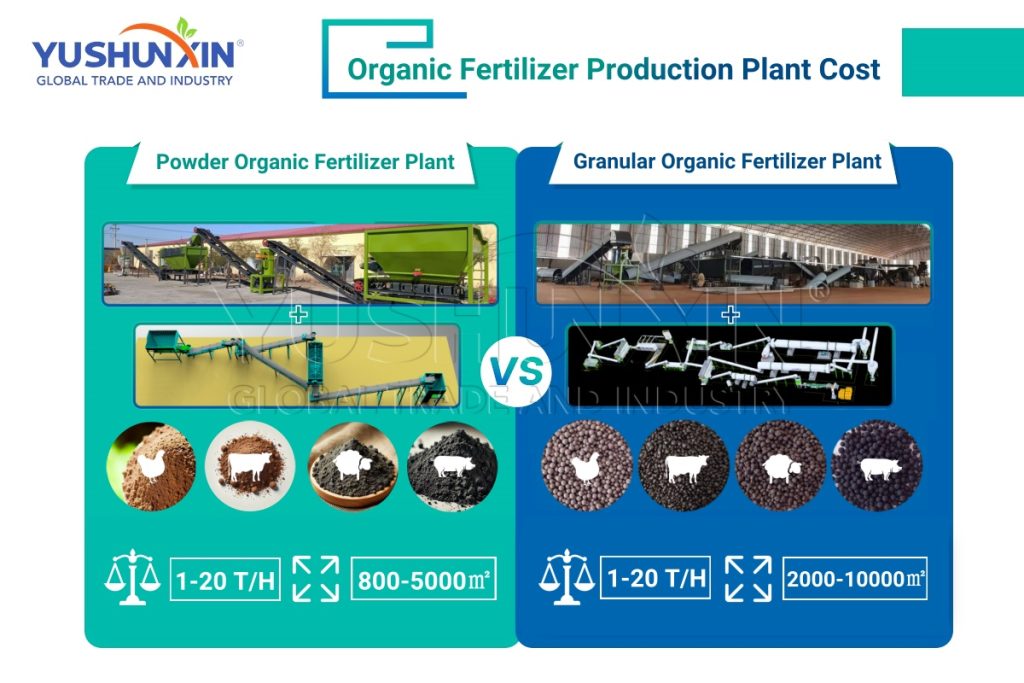
How Do Granules and Particles Influence Organic Fertilizer Manufacturing Costs?

The process of organic fertilizer production involves several key factors, with granules and particles playing a critical role in determining overall fertilizer plant cost. For investors and managers in the fertilizer industry, understanding the relationship between raw material selection, organic fertilizer granulation, and equipment configuration helps optimize the organic fertilizer factory setup cost and long-term profitability. A careful analysis of each stage in the organic fertilizer pellet making process supports cost-effective decisions within the organic fertilizer production plant.


Which Raw Materials Are Suitable for Organic Fertilizer Pellet Making and How Do They Affect Costs?

The selection of raw materials for organic fertilizer granule production directly impacts the efficiency of the entire organic fertilizer manufacturing procedure. Various organic materials, such as livestock manure (chicken, cow, pig), crop straw, industrial organic waste, municipal sludge, and food waste, serve as common resources in fertilizer pelletizing procedures. Each material has unique properties that influence not only the fermentation process but also the granulating characteristics and cost structure.

For example, livestock manure generally provides sufficient organic matter and nutrients but may require advanced composting and crushing machines to ensure uniform particle size before pelletizing. Crop straw, on the other hand, often needs additional shredding and mixing equipment to achieve the proper consistency for pellet formation. The moisture content and impurity level of municipal sludge or food waste can also increase the fertilizer manufacturing plant cost due to the need for enhanced dewatering and screening processes. Therefore, the physical and chemical characteristics of raw materials must align with the selected organic fertilizer granulation equipment to minimize energy consumption, equipment wear, and overall organic fertilizer production plant cost.

Organic Fertilizer Raw Materials

How Do Granulation Methods and Equipment Types Influence Organic Fertilizer Production Plant Cost?

The granulation procedure constitutes a central element in organic fertilizer pelletizing, and the choice of pelletizer equipment exerts a significant influence on overall fertilizer plant setup cost. Various organic fertilizer granulator machines exist to accommodate diverse production requirements. Some common options include the disc granulator, flat die granulator, double roller extrusion granulator, drum granulator, and new type organic fertilizer granulator. Each type of granulating machinery suits different raw material properties and yields distinct particle shapes, strengths, and sizes.

Disc granulators and drum granulators, for instance, typically handle larger capacities and create spherical fertilizer granules with consistent dimensions, which can reduce subsequent screening and drying costs. Flat die and double roller extrusion granulators are suitable for smaller-scale fertilizer production lines and produce cylindrical or pillow-shaped pellets, which might require less drying but more sophisticated packaging. Additional equipment such as compost turners (groove type or wheel type), rotary drying machines, and screening machines further affects investment and operating expenses. Selection of the optimal granulation and processing machinery ensures efficient pellet making, low energy usage, and reduced organic fertilizer factory cost.

granulator machine


What Are the Essential Steps in Organic Fertilizer Granule Manufacturing Procedures and How Do They Impact Factory Cost?

A typical organic fertilizer production process involves several interconnected stages: composting, crushing, batching, granulating, drying, screening, and packing. Each step requires specific machines and technical parameters that impact fertilizer plant setup cost. During the composting phase, equipment like groove type compost machines or fermentation pots accelerates organic matter decomposition and pathogen reduction. The crushing and batching stages prepare materials for consistent granulating by adjusting particle size and nutrient ratios, using crushers and batching machines.

Granulator machines play the most critical role in shaping granules or particles, directly influencing the quality and marketability of the final fertilizer pellets. Subsequent drying and screening ensure appropriate moisture levels and uniform pellet size, which further impact packaging efficiency and transportation costs. Automated packing machines enhance labor savings and operational efficiency within the fertilizer production plant. When these procedures are integrated and tailored to the unique properties of raw materials, the total organic fertilizer manufacturing plant cost becomes more predictable and manageable.


Conclusion

In summary, the size and quality of granules and particles directly influence the organic fertilizer production plant cost. The careful selection of raw materials, granulation methods, and machinery ensures that each step in the organic fertilizer pelletizing process is cost-efficient and productive. By systematically analyzing material characteristics and matching them with advanced granulator machines and related equipment, fertilizer manufacturers can control fertilizer plant setup cost and achieve sustainable growth. For businesses seeking professional solutions in organic fertilizer granulation, a reputable manufacturer such as Yushunxin provides tailored machinery and technical support to streamline fertilizer production and control overall investment costs. You can visit: https://www.fertilizerproductequipment.com/organic-fertilizer-production-plant-cost/

Как точно определить потребности в оборудовании для линии гранулирования комплексных удобрений при покупке?

В индустрии производства комплексных удобрений линия гранулирования — ключевое оборудование для эффективной работы завода. С усилением рыночной конкуренции и постоянной модернизацией технологий потребности предприятий в оборудовании становятся все более разнообразными и индивидуальными. Однако многие компании при закупке, ограниченные опытом или недостаточной информацией, сталкиваются с несоответствием оборудования, избыточной мощностью или трудностями при последующей модернизации. Поэтому точное определение своих потребностей в оборудовании для линии гранулирования комплексных удобрений до покупки — ключ к успешной закупке и долгосрочному развитию компании.

оборудования-для-производства-удобрений-npk

Анализ текущей ситуации производства и планов на будущее

Закупка оборудования — это не разовое приобретение, а системная инвестиция, направленная на достижение целей компании. В первую очередь, необходимо подробно проанализировать следующие аспекты:

1. **Потребности в производительности**
– Определить текущий и планируемый годовой объём производства (например, 30 000, 50 000, 100 000 тонн в год и т.д.), что напрямую влияет на параметры линии и модель основного оборудования.
– Оценить возможный рост производительности на 3-5 лет вперёд, чтобы избежать недостаточной мощности оборудования или его простаивания.

2. **Тип продукции и рыночное позиционирование**
– Четко определить основные виды продукции (азотные, фосфорные, калийные удобрения, комплексные с микроэлементами и т.д.), а также необходимость быстрой переналадки на выпуск различных продуктов.
– Учитывать форму гранул (округлые, овальные, цилиндрические), размер (например, 2–4 мм), требования к упаковке и прочие нюансы рынка сбыта.

3. **Характеристики сырья**
– Изучить происхождение, физико-химические параметры сырья (гигроскопичность, склонность к слёживаемости, размер фракций и др.), что определяет способ подготовки и гранулирования.
– Определить необходимость предварительного смешивания, сушки, охлаждения или добавления специальных добавок.

Линия по производству гранул сульфата аммония с вращающимся барабаном

Описание технологической схемы и уровня автоматизации

Технологии гранулирования комплексных удобрений разнообразны, и оборудование подбирается в зависимости от технологии:

1. **Выбор технологического метода**
– Наиболее распространены: влажное гранулирование, сухое гранулирование, гранулирование методом распыления. Разные методы требуют разного оборудования (грануляторы барабанные, экструзионные, дисковые и т.д.) и сопутствующих машин (сушилки, холодильники, грохоты).
– Исходя из требований к продукции и сырью, выбрать наиболее подходящий технологический процесс.

2. **Уровень автоматизации и интеллектуализации**
– Определить необходимость автоматических систем дозировки, взвешивания, упаковки, паллетирования.
– Продумать возможность расширения в будущем: нужно ли интегрировать сбор данных, подготовиться к созданию “умного” завода.

Условия производства и ограничение по площадям

Размещение линии зависит от реальных условий предприятия:

1. **Площадь и высота цеха**
– Уточнить доступную площадь, высоту помещений и несущую способность пола для корректной установки оборудования.
2. **Энергоснабжение и требования по экологии**
– Определить наличие электроэнергии, пара, газа; заранее узнать экологические нормы, требования к очистке пыли, газов и сточных вод.

Бюджет и финансирование

Закупка оборудования требует продуманного финансового планирования:

1. **Определить разумный бюджет**
– С учетом производственных целей и технологических требований установить диапазон бюджета — это поможет при выборе поставщика и сравнения предложений.
2. **Оценить срок окупаемости**
– Исходя из ожидаемой прибыли продукции, рассчитать период возврата вложений и обеспечить финансовую стабильность компании.

Что важно подготовить для общения с поставщиками

Чтобы поставщик смог предложить оптимальное решение, рекомендуется подготовить:

– Детальные потребности по производительности (годовая, суточная, сменная)
– Описание основного сырья и его характеристик
– Требования к гранулам и упаковке
– План предприятия/чертежи помещений
– Особые технологические требования, уровень автоматизации
– Ожидаемый бюджет и сроки поставки

Четкая формулировка требований к оборудованию для линии гранулирования комплексных удобрений — это не просто заполнение анкеты, а глубокий стратегический анализ рынка, технологий, инвестиций и перспектив. Только когда требования определены, можно грамотно выбрать оборудование, вести переговоры с поставщиками, чтобы сделать инвестиции максимально эффективными и обеспечить динамичное развитие компании.

Если вы планируете закупку линии гранулирования комплексных удобрений — используйте эти рекомендации для подготовки подробного технического задания и уверенно двигайтесь к успеху! Более подробную информацию об оборудовании для внесения сложных удобрений можно найти на сайте:https://www.sxmashina.com/liniya-po-proizvodstvo-npk-udobreniy/

How Can Process Optimization Lower Organic Fertilizer Plant Setup Costs?

Establishing an organic fertilizer production plant requires careful consideration of setup costs and efficiency. Process optimization serves as a critical strategy for reducing organic fertilizer plant setup costs while maintaining product quality. Businesses seeking to enter the organic fertilizer granulation industry or expand capacity must analyze every production stage. Through refined process design and strategic equipment selection, operators can realize substantial savings and enhanced profitability.


What Types of Raw Materials Are Suitable for Organic Fertilizer Granulation Processes?

Selecting suitable raw materials for organic fertilizer production lines directly impacts granulation efficiency and overall plant costs. Animal manure, such as chicken, cow, or pig manure, remains one of the primary materials for organic fertilizer granule making. Other viable options include livestock waste, crop straw, kitchen waste, municipal sludge, and even agricultural by-products like distillers’ grains or mushroom residue. Each raw material presents different moisture levels, nutrient profiles, and physical characteristics, which influence the requirements for crushing, composting, and granulating machinery. Combining compatible materials allows the production procedure to achieve better fermentation, granulation, and drying results, which ultimately reduces organic fertilizer production plant costs by minimizing energy use and avoiding unnecessary material wastage.

Organic Fertilizer Raw Materials

How Do Efficient Machines and Production Lines Influence Organic Fertilizer Plant Setup Costs?

Modern organic fertilizer granulation equipment plays a significant role in optimizing plant setup costs. Operators should evaluate the most appropriate granulator for their raw material characteristics and desired pellet shapes, such as disc granulators, flat die pelletizers, double roller extrusion granulators, or drum granulating machines. Advanced machines enhance granule uniformity, improve pelletizing yield, and lower maintenance requirements. In addition to granulators, supporting machinery such as crushing machines, rotary drying equipment, and automatic screening systems streamline the process and minimize labor input. Process automation and modular design can further reduce fertilizer manufacturing plant costs by shortening installation time and enabling flexible scaling. Efficient equipment requires less floor space and energy, contributing to overall fertilizer factory cost reductions. Selecting the right production line configuration—tailored to your capacity, raw materials, and end-product specifications—will ensure sustainable cost control and operational stability.

Organic Fertilizer Plant Setup Scale


How Can Process Optimization Strategies Reduce Organic Fertilizer Production Plant Costs?

Process optimization focuses on integrating every stage of the organic fertilizer pellet making process for maximum economic benefit. By analyzing raw material properties, refining composting periods, and using efficient crushing, mixing, and granulating systems, operators can minimize energy and resource consumption. Strategic batching and feeding can reduce material loss and improve granulation efficiency, while moisture control throughout drying and cooling ensures high-quality organic fertilizer pellets or granules. Implementing advanced pellet screening and packing machines can eliminate reprocessing needs, cutting labor costs and waste. Continuous process monitoring supports fast adjustments and maintenance, which prevents downtime and costly repairs. In summary, an optimized organic fertilizer pellet production line balances quality, throughput, and cost, enabling businesses to achieve lower organic fertilizer plant setup costs and rapid return on investment.


Conclusion

In summary, successful organic fertilizer production relies on selecting suitable raw materials, choosing efficient granulation equipment, and applying comprehensive process optimization. Each decision in raw material blending, process design, and machine selection directly impacts organic fertilizer production plant costs. Businesses that invest in advanced granulating technology and customized production lines can gain a competitive advantage by reducing their fertilizer manufacturing plant costs. For those seeking reliable solutions and industry-leading expertise, partnering with a professional fertilizer equipment manufacturer such as Yushunxin offers access to innovative production line designs, tailored machinery, and expert guidance that ensures both high-quality organic fertilizer granule production and significant setup cost savings. You can visit:  https://www.fertilizerproductequipment.com/organic-fertilizer-production-plant-cost/

How Do Different Drying Processes Affect the Nutrient Content of Pomace Fertilizers?

Pomace fertilizers, produced from the byproducts of fruit and vegetable processing, offer a sustainable solution for managing high-moisture organic waste. Various industries generate large volumes of moist byproducts, such as apple pomace, grape marc, citrus residues, and tomato skins. These materials, rich in organic matter and nutrients, serve as excellent raw materials for organic fertilizer production. The food and beverage industry often seeks efficient pomace management, not only to reduce disposal costs but also to recycle nutrients back into agricultural cycles. Meanwhile, the agriculture sector benefits from converting pomace into compost, granulated fertilizer, or pellets, which improve soil fertility and structure. Each industry, therefore, relies on specialized pomace fertilizer production processes to meet unique requirements in waste management, nutrient recycling, and environmental compliance.

Pomace Dryer

What Are the Key Stages in Pomace Fertilizer Production and Water Reduction?

Pomace, due to its high initial moisture content—often above 90%—requires multiple water reduction steps before it becomes a stable, nutrient-rich fertilizer product. The pomace fertilizer manufacturing process generally involves four main stages: dewatering, composting, granulation, and drying. In the dewatering stage, equipment such as screw presses or dewatering machines physically remove a significant portion of the free water, quickly reducing moisture content to around 60-70%. Next, composting machinery promotes biological decomposition, further lowering moisture and stabilizing the organic matter, while simultaneously enriching the nutrients in the pomace fertilizer. In the granulating or pelletizing stage, wet granulators and pelletizers shape the composted material into uniform granules or pellets, with moisture levels typically between 20% and 40%. Finally, the drying stage employs advanced pomace dryer machines, where controlled hot air or heat transfers remove remaining moisture, reducing content to 10% or lower. This systematic approach ensures that pomace fertilizer products become safe for storage, transportation, and application, while preserving their nutritional value.

How Do Drying Technologies Influence the Nutrient Content of Pomace Fertilizer?

The drying process represents a critical stage in pomace fertilizer production since it directly affects both the physical quality and nutrient content of the final product. Different drying technologies—such as rotary drum dryers—offer various advantages in terms of energy efficiency, temperature control, and capacity. For example, a rotary drum pomace dryer provides uniform heat distribution, which can minimize nutrient loss by preventing overheating and localized burning of the organic material. Precise temperature regulation during drying is essential because excessive heat may degrade sensitive nutrients, such as nitrogenous compounds, amino acids, and certain vitamins, reducing the agronomic value of the pomace fertilizer pellets or granules. In contrast, inadequate drying can lead to mold growth and nutrient leaching during storage. Therefore, selecting the appropriate pomace drying technology and optimizing process parameters is crucial for maintaining both product stability and nutrient retention throughout the pomace fertilizer production cycle.

Which Equipment and Technologies Best Support Efficient Pomace Fertilizer Manufacturing?

Efficient pomace fertilizer manufacturing systems depend on the integration of advanced machinery for each stage of the procedure. Dewatering machines, such as screw or belt presses, remove initial free water quickly, which reduces drying energy requirements later on. Compost turners or composting reactors accelerate the biological conversion of wet pomace into stable, nutrient-rich compost. Wet granulators and pelletizers shape the material into particles suitable for application and further drying. The most critical equipment in this process remains the dedicated pomace dryer, which employs tailored heat transfer and air circulation systems for optimal moisture reduction and product uniformity. Modern drying machines often feature automated moisture monitoring, adjustable temperature settings, and energy recovery modules, thereby maximizing both efficiency and quality in pomace fertilizer manufacturing. Coordinating these technologies ensures consistent moisture reduction, high nutrient retention, and a uniform particle size in the finished pomace fertilizer granules or pellets.

Summary

In summary, the nutrient content and physical quality of pomace fertilizer products depend heavily on the effectiveness of each water reduction step throughout the production process. From dewatering to composting, granulating, and drying, every stage requires specialized equipment and process control. The selection of a suitable pomace dryer and related machinery ultimately determines the preservation of valuable nutrients within the pomace fertilizer granules or pellets. As industries increasingly focus on sustainable waste management and nutrient recycling, the optimization of pomace fertilizer production systems becomes more important. A professional drying equipment manufacturer, such as Yushunxin, offers tailored solutions for pomace drying and organic fertilizer making, supporting clients in achieving high-quality, nutrient-rich pomace fertilizer products with efficient and reliable machinery. You can visit: https://www.fertilizerdryer.com/pomace-drying-machine/