The Role of Pan Granulation in Converting Ore to Fertilizer Particles

Mineral-based fertilizers play a critical role in modern industrial and environmental applications. The transformation of mined ore materials into uniform fertilizer particles requires a precise and efficient production method. Pan granulation, also known as disc granulation, provides such a pathway by enabling the controlled conversion of fine mineral powders into dense, spherical granules. This process connects the mining, chemical, and material-handling industries through a unified production system. When ore materials undergo granulating procedures, they acquire higher bulk density, improved flowability, and enhanced reactivity, all of which are essential for further industrial use or market distribution.


What Types of Ore Materials Are Suitable for Fertilizer Granulation?

Different mineral resources support the manufacturing of various mineral fertilizer products. Phosphate rock, for example, serves as a primary material in rock phosphate fertilizer production where granulation improves solubility and nutrient availability. Limestone and dolomite provide calcium-based minerals for limestone fertilizer production solutions and for blending in NPK fertilizer lines. Iron ore dust or mine tailings can also become part of mineral organic fertilizer production lines or mine waste management projects, where granulation stabilizes the fine particles and reduces environmental risks.

Each raw material requires specific preparation steps. Crushing machines, such as a jaw rock crusher or ore fertilizer crusher machine, reduce the mined ore into smaller particles. Grinding equipment like a Raymond mill can refine the particle size before granulation. These pre-processing stages ensure consistent feeding for the pan granulator and uniform granule formation. Industries that handle mining residues or mineral additives can also benefit since granulation facilitates transportation, dust reduction, and controlled nutrient release.

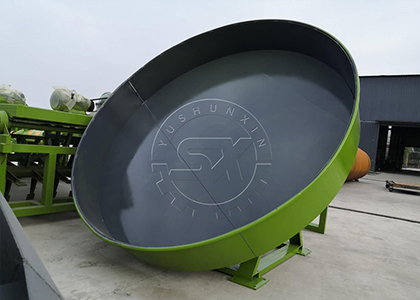
Disc Pelletizer for Rock Fertilizer Making

How Does Pan or Disc Granulation Function in Ore Fertilizer Manufacturing?

The pan granulation process relies on a rotating disc or pan granulator that continuously mixes and agglomerates mineral powders with controlled moisture and binder addition. The rotation of the disc creates a rolling bed of particles, allowing fine ore dust to coalesce into uniform spherical granules. In mineral fertilizer manufacturing, this principle ensures that each particle maintains mechanical strength and homogeneous mineral composition.

A disc granulation machine allows flexible control over granule size by adjusting the pan tilt angle, rotational speed, and water spray volume. This flexibility suits varying mineral fertilizer production demands, whether for rock-based phosphate materials or blended NPK fertilizers. Unlike other granulating approaches, pan granulators operate with lower energy consumption and simpler maintenance procedures. When integrated with a screening machine, the production line can classify granules by size, recycle the undersized materials, and achieve a closed-loop manufacturing process.


What Are the Benefits of Using Pan Granulation for Mineral Fertilizer Processing?

Pan granulation offers multiple technical and economic advantages. The granulating process converts fine mineral powders into manageable pellets, reducing dust emissions and material loss during handling. The resulting fertilizer particles exhibit stable size distribution and improved strength, making them suitable for storage, packaging, and industrial blending. Furthermore, the disc granulator system supports continuous operation and requires less floor space compared with large drum pelletizers.

In addition, pan granulation enhances the value of low-grade ores. Through controlled moisture and chemical adjustment, even marginal mining residues can turn into useful fertilizer materials. This process supports sustainable mine waste management while lowering raw material costs. The integration of granulation machinery with crushing, screening, and drying equipment creates a complete mineral fertilizer manufacturing line that serves both mining enterprises and chemical fertilizer producers.


Conclusion

The transformation of ore-based minerals into high-quality fertilizer particles depends on precise granulation technology. Pan or disc granulators enable mining and processing industries to convert fine mineral materials into durable, uniformly sized granules that meet diverse production requirements. By integrating crushing machines, granulators, and screening systems, enterprises can build efficient mineral fertilizer production lines and achieve sustainable use of mining resources.

A professional fertilizer equipment manufacturer—Yushunxin—provides reliable pan granulation solutions and complete mineral fertilizer production machinery, supporting clients in achieving stable, efficient, and environmentally responsible fertilizer manufacturing. You can visit: https://www.mineralfertilizerproductionsolutions.com/product/disc-granulator-machine/

How Can Disc Pelletizers Improve the Efficiency of Fertilizer Production from Mines?

Modern fertilizer production increasingly depends on the efficient use of mineral resources extracted from mines. The transformation of these raw minerals into stable, uniform fertilizer granules represents a crucial stage in the manufacturing process. When mineral particles remain uneven or dusty, the production line experiences material loss, unstable composition, and reduced product performance. For this reason, many fertilizer processing plants adopt disc pelletizers, also known as pan granulators or disc granulation machines, to improve granule quality and production efficiency. Understanding how these machines enhance mineral fertilizer manufacturing helps producers optimize their investment in both technology and materials.


What Raw Materials Are Suitable for Mineral Fertilizer Granulation?

Mineral fertilizer production begins with various mined materials that contain essential nutrients. Phosphate rock, limestone, dolomite, and potash ore often serve as the core raw materials. Each mineral type offers distinct benefits. For example, phosphate rock becomes the foundation of rock phosphate fertilizer production, providing phosphorus for soil enrichment. Limestone and dolomite contribute calcium and magnesium, enhancing soil structure and neutralizing acidity. Potash ore supplies potassium, which increases plant resistance and crop quality.

Every raw material requires specific pre-treatment before granulation. A crushing machine, such as a jaw rock crusher or an ore fertilizer crusher machine, reduces the mineral size to suitable fineness. For finer powders, a raymond mill ensures homogeneous particle sizes. These steps prepare the raw materials for the subsequent pelletizing process, ensuring that the disc granulator can achieve stable granule formation during fertilizer manufacturing.

Raw Materials of Raymond Mill

How Do Disc Pelletizers Improve the Granulation Process in Mineral Fertilizer Manufacture?

A disc pelletizer, also called a pan granulator or disc pelletizing machine, plays a central role in converting fine mineral powders into round, uniform granules. The rotating disc surface allows continuous layering and rolling of mineral particles with a controlled amount of binder or liquid. This mechanical motion ensures even moisture distribution and consistent particle size.

Disc Pelletizer for Rock Fertilizer Making

Because the granulation process takes place on an open, inclined pan, the operator can easily monitor the formation of each pellet. The adjustable inclination angle and rotational speed enable precise control over granule size distribution. This flexibility suits different mineral fertilizer production lines, such as NPK fertilizer manufacturing, mineral organic fertilizer production, and mine waste management projects. Compared with drum granulators, disc pelletizers require less energy and allow rapid operation adjustments, thus improving the overall production efficiency of the mineral fertilizer plant.


Why Does the Integration of Supporting Equipment Enhance Production Efficiency?

An efficient fertilizer production line from mines depends on the coordination of multiple types of equipment. After pelletizing, the granules pass through a screening machine that separates qualified products from oversized or undersized particles. The oversized pellets return for re-granulation, while the undersized fraction undergoes further processing, thereby reducing waste. In some production solutions, such as limestone fertilizer production or bulk fertilizer blending plant operations, the system may include additional drying or coating machinery to improve granule strength and prevent caking.

By integrating a disc granulator with proper crushing, screening, and drying equipment, a manufacturer achieves stable mineral fertilizer granule quality and continuous production flow. The well-designed process minimizes raw material loss, shortens the production cycle, and supports sustainable mine resource utilization.


Conclusion

Efficient mineral fertilizer production from mined materials depends on reliable pelletizing technology. Disc pelletizers transform fine mineral particles into uniform, market-ready granules with excellent structural stability. When combined with crushers, mills, and screening machines, these pelletizing systems enhance output consistency and overall process control. As global demand for mineral-based fertilizers grows, the choice of advanced machinery becomes the key factor determining cost efficiency and product quality.

A professional fertilizer equipment manufacturer—Yushunxin—provides complete solutions for disc granulation, ore fertilizer processing, and mineral fertilizer production lines. Its expertise in pelletizing machinery supports producers who seek stable performance, energy efficiency, and high-quality mineral fertilizer granules derived from valuable mine resources. You can visit: https://www.mineralfertilizerproductionsolutions.com/product/disc-granulator-machine/
How Do Disc Granulators Aid in Producing High-Quality Fertilizer Granules from Mineral Resources?

The production of mineral-based fertilizers requires stable granulation technology and precise control of raw material characteristics. In the mining and chemical industries, the conversion of rock, ore, and mineral powders into uniform fertilizer granules determines both the product quality and the efficiency of downstream applications. Among various granulating technologies, disc granulators—also known as pan granulators or pelletizers—play a central role in ensuring the consistency, strength, and nutrient balance of mineral fertilizer products.


What Types of Mineral Raw Materials Suit Fertilizer Granulation and How Do They Serve Different Industries?

Mineral fertilizer production relies on abundant natural resources such as phosphate rock, limestone, dolomite, potassium ore, and gypsum. Each mineral provides specific benefits and meets distinct industrial needs. For instance, rock phosphate supports the manufacturing of phosphate-based fertilizers, which supply essential phosphorus for soil improvement and industrial chemical processing. Limestone and dolomite are widely used in limestone fertilizer production solutions, enhancing calcium and magnesium content while neutralizing soil acidity in both agricultural and environmental projects. Meanwhile, potassium ore serves as the foundation for NPK fertilizer production, contributing to balanced nutrient formulations required in high-value crops and industrial compound fertilizers.

Disc Pelletizer for Rock Fertilizer Making

In the mine waste management field, mineral residues from ore extraction often contain valuable nutrients. Through proper crushing, granulating, and classification, these residues transform into effective mineral organic fertilizer granules, reducing waste and improving resource utilization. The diversity of raw materials demands adaptable machinery that can process minerals of different hardness, moisture levels, and particle sizes.


How Do Disc Granulators Operate in the Mineral Fertilizer Manufacturing Process?

A disc granulation machine performs a continuous and controlled process that converts mineral powders into uniform granules. During operation, the rotating pan creates a rolling bed of material, where fine particles adhere and grow layer by layer. This dynamic rolling mechanism allows precise control of particle size distribution. The adjustable disc angle, rotational speed, and moisture regulation system enable consistent granule formation suitable for various mineral compositions.

In many mineral fertilizer production lines, the disc granulator works alongside other essential equipment. An ore fertilizer crusher machine or jaw rock crusher prepares the raw mineral feed by reducing particle size and increasing surface area. A screening machine sorts the finished granules based on size requirements, ensuring uniformity before packaging or further processing. Some systems also include a drying or cooling unit to stabilize granules for storage and transport.

The integration of a pan-type pelletizer within the production process not only improves mechanical strength and shape uniformity but also enhances nutrient release control. This consistency ensures stable product quality across phosphate, limestone, or complex mineral fertilizers.


Why Do Mineral-Based Fertilizer Plants Prefer Disc Granulation Systems?

Disc granulators meet the core industrial requirement for efficient, clean, and adjustable granulation. Compared with other pelletizing technologies, this equipment offers better control of granule diameter and higher yield for fine mineral powders. The open structure of the pan enables easy observation, maintenance, and operation. In addition, the granulating mechanism consumes less power and minimizes material loss during the rolling and layering process.

The reliability of disc-type granulators makes them suitable for multiple fertilizer manufacturing scenarios, such as rock phosphate fertilizer production, bulk fertilizer blending plants, and mineral organic fertilizer production lines. These systems demand stable granule quality, high processing capacity, and compatibility with different chemical additives or mineral modifiers. By applying a disc granulator system, an enterprise gains consistent production output and improved product competitiveness.


How Can Manufacturers Enhance the Efficiency of Mineral Fertilizer Granulation?

To achieve high-quality mineral fertilizer granules, a manufacturer must combine accurate material preparation with stable granulation control. Proper crushing, moisture conditioning, and uniform feed distribution ensure balanced granule growth within the disc. Continuous monitoring of granule size and density further improves the efficiency of the production line. When coordinated with efficient drying, cooling, and screening systems, the overall granulating process reaches both technical and environmental optimization.


Conclusion

The process of transforming raw rock, ore, and mineral materials into durable fertilizer granules requires integrated mechanical and process design. A disc granulator serves as the core of this transformation, connecting crushing, granulating, and screening operations into a continuous production flow. Through precision control and durable structure, this equipment helps fertilizer producers generate uniform, high-strength granules from diverse mineral resources.

A professional fertilizer equipment manufacturer—Yushunxin—offers advanced disc granulators and complete mineral fertilizer production lines that support phosphate, limestone, and mixed mineral applications. Its engineering solutions ensure efficient granulation, stable output, and reliable performance in modern mineral fertilizer manufacturing. You can visit: https://www.mineralfertilizerproductionsolutions.com/product/disc-granulator-machine/
How Do Pan Granulating Machines Enhance Rock Fertilizer Manufacturing Efficiency?

In the modern mineral fertilizer industry, the production of high-quality granules from rock-based raw materials requires precise machinery and carefully designed processing solutions. Pan granulating machines, also called disc granulators or pelletizers, play a central role in transforming mineral powder into uniform fertilizer particles. By integrating pan granulation with other equipment such as ore fertilizer crushers and screening machines, manufacturers can achieve stable output, efficient resource utilization, and consistent granule quality.


What Types of Rock and Mineral Raw Materials Suit Fertilizer Granulation?

Rock-based raw materials form the backbone of mineral fertilizer manufacturing. Rock phosphate, dolomite, limestone, gypsum, and potassium-bearing ores represent common feedstocks for granule preparation. For example, rock phosphate supports phosphate fertilizer production by providing a natural source of P elements. Limestone contributes to neutralization in soil amendment products and integrates effectively into limestone fertilizer production solutions. Potassium feldspar and similar ores enable the preparation of potassium-rich particles for multiple industrial uses beyond agriculture.

Each mineral raw material has specific granulation needs. Rock phosphate powder requires fine crushing with a jaw rock crusher or Raymond mill before granulating. Limestone often needs controlled moisture adjustment during the pelletizing process to ensure strong ball formation. Gypsum requires uniform mixing and disc pelletizing to achieve consistent particle strength. By understanding these raw material characteristics, manufacturers can design targeted granulation procedures that minimize waste and enhance productivity.

Disc Pelletizer for Rock Fertilizer Making

Why Do Different Industries Benefit from Rock Fertilizer Granule Manufacturing?

The mineral fertilizer sector serves more than agricultural purposes. In mining waste management, granulation converts fine ore waste into usable particles that reduce dust and improve handling. In the chemical industry, phosphate granules serve as feedstock for advanced material production. In construction-related fields, limestone and gypsum granulation deliver particles for soil stabilization and environmental remediation projects. Each industry requires stable granule size, controlled hardness, and precise composition.

Granule manufacturing allows industries to transport, store, and apply mineral-based products with greater efficiency. Uniform particle size from disc or pan granulation machines reduces segregation during bulk fertilizer blending plant operations. Stable hardness ensures that granules withstand mechanical stress during loading and shipping. Properly designed fertilizer granules also improve dissolution rates in multiple application scenarios, which benefits both industrial and environmental projects.


How Do Pan Granulating Machines Improve the Mineral Fertilizer Process?

Pan granulating machines transform mineral powder into strong granules through a rotating disc system. The adjustable angle of the disc surface controls granule size distribution, which allows manufacturers to produce small particles or larger pellets based on market demand. The wet granulation method enables powders such as phosphate rock dust or dolomite fines to bind together under controlled moisture, forming uniform fertilizer granules.

Disc granulators also support flexible integration with other equipment. An ore fertilizer crusher machine prepares fine powders, while a screening machine separates qualified pellets from oversized or undersized materials. Oversized granules return for further crushing and re-granulation, and undersized particles re-enter the pelletizing procedure. This closed-loop process reduces waste and increases yield. Furthermore, operators benefit from low energy consumption, simple operation structure, and stable performance during continuous production.


How Can Pan Granulation Support Different Fertilizer Production Lines?

Pan granulating machinery fits into various mineral fertilizer production solutions. In rock phosphate fertilizer production, disc pelletizers create uniform phosphate particles ready for further processing. In NPK fertilizer manufacturing, pan granulation prepares individual mineral components before blending and coating. In mineral organic fertilizer production lines, disc granulators combine organic matter with crushed ore materials to form balanced composite particles. These applications demonstrate the adaptability of pan granulation systems across multiple mineral industries.

The ability to granulate diverse raw materials, handle complex formulations, and integrate with crushers, mixers, and screeners makes pan granulators essential equipment in rock fertilizer manufacturing. Their application ensures that mineral resources transform into consistent, market-ready products that meet industry standards.


Conclusion

The use of pan granulating machines brings significant advantages to rock fertilizer production. By converting mineral powders such as phosphate rock, limestone, and gypsum into durable fertilizer granules, manufacturers achieve efficient resource use, stable quality, and expanded industrial applications. Integration with ore fertilizer crushers, Raymond mills, and screening equipment further optimizes the manufacturing procedure.

A professional fertilizer equipment manufacturer like Yushunxin provides complete solutions for mineral fertilizer production lines, combining disc granulators with supporting machinery to deliver reliable, efficient, and sustainable outcomes for the rock fertilizer industry. You can visit: https://www.mineralfertilizerproductionsolutions.com/product/disc-granulator-machine/

How Do Disc Granulation Machines Facilitate the Production of Granular Fertilizer from Rocks?

Modern fertilizer production processes increasingly rely on advanced machinery to convert raw mineral materials into uniform, high-quality granules. Among these, disc granulation machines—also known as pan granulators or disc pelletizers—play a central role in transforming various mined rocks and ores into valuable fertilizer particles. Mineral fertilizer granule production involves precise engineering and controlled processing steps; therefore, it is crucial to understand how disc pelletizing technology supports the needs of different resource sectors.


What Raw Materials Are Suitable for Mineral Fertilizer Granule Production, and How Do Different Industries Benefit?

A wide range of rocks and minerals serve as primary materials for mineral fertilizer manufacturing. For example, phosphate rocks remain the foundation of phosphate fertilizer production. When processed and granulated, these mineral particles provide essential nutrients, meeting the needs of the chemical and fertilizer industry for high-phosphate products. Similarly, limestone and dolomite from mining operations become vital sources for calcium- and magnesium-based fertilizers, supporting the steel and glass industries by offering byproduct management options and value-added material utilization.

Industries dealing with potash ore extraction also benefit from advanced pellet making processes, as potash-based fertilizers require precise granulation for effective plant application and distribution. In addition, mine waste management facilities increasingly seek pelletizing solutions to repurpose mineral residues—including tailings and byproduct fines—into marketable fertilizer particles. Each of these sectors demands reliable mineral granulation machinery to optimize yield, control dust, and improve product performance.

Disc Pelletizer for Rock Fertilizer Making

How Do Disc Granulation Machines and Related Equipment Transform Rocks into Fertilizer Granules?

During mineral fertilizer granules preparation, disc granulators act as core equipment for agglomerating fine mineral powders into uniform pellets. The pan granulator features an inclined rotary disc, which ensures consistent rolling and layering of raw ore particles combined with liquid binders. This unique structure allows for precise control over pellet size, shape, and moisture content, making disc pelletizers highly adaptable for different mineral compositions.

When a mineral fertilizer production solution includes ores with varying hardness or particle size, a preparation stage often employs an ore fertilizer crusher machine, such as a jaw rock crusher or a Raymond mill. These crushing machines reduce raw rocks and minerals to the optimal powder size for subsequent granulation. After granule formation in the disc pelletizer, a screening machine separates qualified fertilizer pellets from oversized or undersized particles, ensuring a uniform end product.

Disc granulating machines integrate seamlessly with complete mineral organic fertilizer production lines, rock phosphate fertilizer production processes, and bulk fertilizer blending plants. Their modular design accommodates capacity expansion, making them suitable for both large-scale mine waste management projects and specialized mineral fertilizer production needs.


What Are the Main Features and Advantages of Disc Pelletizers in Mineral Granule Manufacturing?

Disc granulators provide several key advantages in mineral fertilizer granulation. Their adjustable inclination angle and rotational speed enable precise granular size control, which is critical for the manufacturing of NPK fertilizer and other multi-component mineral products. The open structure of the pan machine allows for real-time observation and easy cleaning, reducing material cross-contamination during mine-derived fertilizer preparation.

Additionally, disc pelletizing equipment features robust structural components to withstand continuous operation with abrasive mineral materials. High wear resistance and simple maintenance lower downtime and operational costs, addressing the efficiency and reliability requirements of mining and mineral processing sectors. When integrated with auxiliary machinery, such as ore fertilizer crusher machines and screening equipment, pan granulators form the backbone of efficient and sustainable mineral fertilizer manufacturing solutions.


Conclusion

In summary, disc granulation machines and supporting mineral fertilizer processing equipment enable efficient transformation of diverse rocks, ores, and mine residues into valuable granular fertilizer products. Industry professionals benefit from tailored solutions that optimize raw mineral utilization, improve granule quality, and streamline production workflows. For advanced mineral granule manufacturing projects, a professional fertilizer equipment manufacturer such as Yushunxin can provide comprehensive solutions and expert technical support to meet industry-specific requirements. You can visit: https://www.mineralfertilizerproductionsolutions.com/product/disc-granulator-machine/

Enhancing Mineral Fertilizer Production with Pan Pelletizers

In the realm of mineral fertilizer production, the choice of raw materials plays a pivotal role. Typical materials suitable for this process include rock phosphate, potash ore, and limestone. Each of these materials serves distinct purposes across various industries. Rock phosphate, rich in phosphorus, is essential for the manufacture of phosphate fertilizers, critical for promoting root development in plants. Potash ore, a vital source of potassium, is indispensable in enhancing plant drought resistance and improving crop yields. Limestone, on the other hand, neutralizes soil acidity, making it valuable in agricultural sectors where soil pH balance is crucial.

Disc Pelletizer for Rock Fertilizer Making

How Do Pan Granulators Revolutionize Mineral Fertilizer Manufacturing?

Pan granulators, also known as disc pelletizers or disc granulating machines, are essential in the transformation of raw mineral materials into uniform granules. These machines offer adjustable inclination angles, allowing for precise control over granule size and texture. The consistent rotation of the disc ensures even distribution of materials, resulting in high-quality, uniform pellets. This capability significantly enhances the efficiency of the mineral fertilizer production process, enabling the creation of granules that meet specific industry requirements.

What Role Do Additional Machines Play in the Fertilizer Granulation Process?

Beyond pan pelletizers, other machines contribute significantly to the mineral fertilizer granulation process. For instance, an ore fertilizer crusher machine is crucial in the initial phase, breaking down large mineral rocks into manageable sizes for further processing. The jaw rock crusher is particularly effective in this stage, ensuring that raw materials are adequately reduced to facilitate efficient granulation. Following granulation, a screening machine is employed to separate fine particles from the desired granule size, guaranteeing product uniformity and quality. This step is vital in preparing the final product for packaging and distribution.

How Can Various Production Solutions Optimize Fertilizer Manufacturing?

Diverse production solutions cater to specific mineral fertilizers, optimizing manufacturing processes to meet industry demands. For example, rock phosphate fertilizer production focuses on maximizing phosphorus content, crucial for plant nutrition. Similarly, limestone fertilizer production solutions aim at enhancing calcium carbonate availability, vital for soil pH regulation. In the context of NPK fertilizer manufacturing, the integration of nitrogen, phosphorus, and potassium ensures a balanced nutrient supply, fostering robust crop growth. Each production line, whether for bulk fertilizer blending or mineral organic fertilizer production, is designed to optimize resource use and minimize waste.

Conclusion

In the pursuit of optimizing ore fertilizer production, the integration of advanced equipment like pan pelletizers proves indispensable. These machines, alongside complementary technologies such as ore crushers and screening units, streamline the granulation process, ensuring the production of high-quality mineral fertilizers. For businesses seeking to enhance their production capabilities, collaborating with a professional fertilizer equipment manufacturer like Yushunxin offers access to cutting-edge technology and tailored solutions, driving efficiency and product excellence in the mineral fertilizer industry. You can visit: https://www.mineralfertilizerproductionsolutions.com/product/disc-granulator-machine/

How Does a Pan Granulator Contribute to the Rock Fertilizer Production Process?

In the rock fertilizer production process, various machines work together to create high-quality granular fertilizers that contribute to soil health and crop growth. Among these machines, the pan granulator stands out for its essential role in turning raw materials into compact granules that can be used in agricultural and industrial applications. This article will explore how a pan granulator helps in mineral fertilizer production, highlighting the raw materials suitable for the process, as well as the benefits of the equipment.

What Raw Materials Are Suitable for Mineral Fertilizer Production?

The production of rock-based fertilizers involves the use of various raw materials that are rich in minerals. These materials are mined and processed into granules to form fertilizers that are beneficial to the soil. Common raw materials for mineral fertilizer production include rock phosphate, limestone, potassium salts, and sulfur. Each of these raw materials offers unique advantages in fertilizer production.

  1. Rock Phosphate is widely used for producing phosphate fertilizers, which provide essential nutrients like phosphorus to plants. It is naturally rich in minerals that can be processed into high-quality granules, contributing to the efficiency of mineral fertilizer production.
  2. Limestone is another key ingredient, especially in the production of lime fertilizers. Limestone is rich in calcium, and its granulation process helps improve soil acidity, which is vital for certain crops. It is often used in combination with other raw materials to form fertilizers that help optimize soil conditions.
  3. Potassium Salts are a crucial source of potassium, which promotes plant growth. These salts are mined and granulated to create potassium-rich fertilizers that support crop development and improve the overall fertility of the soil.
Disc Pelletizer for Rock Fertilizer Making

The process of turning these minerals into usable fertilizers requires specialized machinery, with disc granulators being at the forefront of this effort.

How Does the Pan Granulator Facilitate the Granulation Process?

A disc granulation machine is a vital piece of equipment in the rock fertilizer production process. It is designed to granulate various mineral materials into uniform and compact pellets that are easy to handle, store, and apply. The pan granulator works by rotating a large disc at a controlled speed, allowing the raw materials to mix and form granules.

  1. Granulating Process: During the granulating process, raw mineral materials are combined with binders and other additives, which help in the formation of solid pellets. The rotating disc’s motion allows the particles to gradually build up, creating uniform-sized granules. This process ensures that the nutrients are evenly distributed throughout the granules, making them more effective when applied to the soil.
  2. Particle Formation: The pan granulator ensures that the particles formed are consistent in size, which is important for even application of the fertilizer. Consistent granule sizes help in better nutrient delivery to plants and reduce waste during the fertilization process. The compact nature of the pellets also improves the efficiency of storage and transportation.

What Are the Key Benefits of Using a Pan Granulator in Fertilizer Production?

The use of a pan pelletizer in mineral fertilizer manufacturing offers several key benefits that contribute to the overall efficiency and quality of the fertilizer production process.

  1. Enhanced Production Efficiency: The pan granulator allows for continuous and efficient production of granules. The rotating disc system ensures uniform granulation, reducing the need for further processing or sorting. This leads to faster production times and greater output.
  2. Improved Pellet Quality: By ensuring that raw materials are evenly distributed and granulated, the pan granulator helps create high-quality pellets. These pellets are strong and durable, which is important for their performance in the soil.
  3. Cost-Effective Solution: The pan granulator reduces the need for additional machines and processes, making it a cost-effective solution in mineral fertilizer production. It minimizes the need for extra labor and energy, as the granulation process is relatively simple and straightforward.

Additionally, in a typical rock fertilizer production line, other machines may also be used to complement the granulating process. For example, crushing machines like the ore fertilizer crusher or jaw rock crusher break down the raw materials into smaller particles before they enter the granulation phase. After the granulation process, a screening machine can be used to separate the granules by size, ensuring that only the desired pellets make it to the next stage.

Conclusion

The pan granulator plays an essential role in the production of mineral fertilizers by converting raw materials such as rock phosphate, limestone, and potassium salts into high-quality granules. Its ability to efficiently and consistently granulate materials ensures that the final product is of superior quality, with evenly distributed nutrients that improve soil health. Additionally, the use of other machines, such as crushers and screening equipment, enhances the overall process, making it faster and more cost-effective.

A professional fertilizer equipment manufacturer, Yushunxin, offers reliable pan granulators and other machines that are designed to optimize mineral fertilizer production lines. With the right equipment, your fertilizer production process can achieve higher efficiency, better granule quality, and a more cost-effective solution for your business needs. You can visit: https://www.mineralfertilizerproductionsolutions.com/product/disc-granulator-machine/

Enhancing Mineral Fertilizer Production Efficiency with Advanced Granulation Technology

In the production of mineral fertilizers, the choice of raw materials plays a crucial role in determining the efficiency and quality of the final product. Various mineral substances, such as rock phosphate, limestone, and potash ores, serve as excellent raw materials. Each of these minerals offers distinct benefits tailored to specific industry needs. Rock phosphate, for instance, is highly valued for its phosphorus content, essential for plant growth. Limestone provides calcium, significantly improving soil acidity levels, while potash ores are rich in potassium, a vital nutrient for crop development. The suitability of these raw materials hinges on their mineral composition, availability, and specific agricultural requirements, ensuring that the fertilizers produced are both effective and efficient.

Disc Pelletizer for Rock Fertilizer Making

How Does Advanced Granulation Technology Benefit Mineral Fertilizer Manufacturing?

Granulation technology, especially through the use of a pan granulating machine, significantly enhances the process of mineral fertilizer production. This machinery optimizes the granulation process by creating uniformly sized particles, which improves the handling, storage, and application of fertilizers. These machines are equipped with adjustable disc angles, providing flexibility to produce granules of varying sizes and densities according to specific needs. The benefits extend beyond just the physical attributes of the fertilizer; the even distribution of nutrients within each granule ensures consistent soil nutrient delivery. Additionally, the efficiency of the granulation process reduces energy consumption and minimizes waste, making it an economically and environmentally favorable option.

What Features Make a Pan Pelletizer Indispensable in Mineral Fertilizer Preparation?

A pan pelletizer, with its unique design and operational capabilities, stands out in the realm of mineral fertilizer preparation. One notable feature is its precise control over the granulation process, facilitated by the adjustable inclination of the disc. This enables the production of granules that meet specific size requirements, enhancing their suitability for various soil types and crops. Moreover, the machinery’s robust construction ensures durability, maintaining operational efficiency over prolonged use. Its compatibility with a range of mineral materials, from phosphate rocks to mineral ores, highlights its versatility. These features collectively make the pan pelletizer an indispensable component in the mineral fertilizer production line.

Why Consider Additional Machinery in Mineral Fertilizer Manufacturing?

In the realm of mineral fertilizer manufacturing, the integration of various machinery, such as ore fertilizer crusher machines and screening equipment, can greatly enhance production efficiency. Crusher machines, including jaw rock crushers, facilitate the breakdown of raw mineral ores, preparing them for subsequent granulation. Efficient crushing ensures that the mineral particles are of the appropriate size and texture, optimizing the granulation process. Additionally, screening machinery plays a critical role in ensuring uniform granule size, removing any oversized or undersized particles. The strategic use of these machines, in conjunction with granulation technology, streamlines the overall production process, enhancing both quality and efficiency.

How Do Tailored Production Solutions Elevate Mineral Fertilizer Manufacturing?

Tailored production solutions, such as those for limestone fertilizer production or rock phosphate fertilizer manufacturing, cater to the specific requirements of various mineral fertilizers. These solutions are designed to optimize the entire manufacturing process, from raw material preparation to the final packaging of granules. For instance, in the production of NPK fertilizers, a comprehensive approach involving granulation, blending, and packaging machinery ensures a balanced nutrient composition. Similarly, bulk fertilizer blending plants provide flexibility in creating customized fertilizer blends, meeting diverse agricultural needs. By adopting these tailored solutions, manufacturers can improve production efficiency, reduce costs, and enhance the quality of their mineral fertilizers.

Conclusion

For those seeking to enhance their mineral fertilizer production capabilities, exploring advanced manufacturing solutions becomes essential. A professional fertilizer equipment manufacturer, like Yushunxin, offers a range of specialized machinery designed to streamline and optimize the granulation process. By partnering with such experts, producers can ensure that their operations not only meet current demands but are also poised for future growth and innovation. You can visit: https://www.mineralfertilizerproductionsolutions.com/product/disc-granulator-machine/

Why Round Ball Pellets production Are the Future of Compost Fertilizers

As the world increasingly turns to sustainable agricultural practices, the demand for efficient, eco-friendly fertilization solutions is on the rise. One promising innovation in this space is the production of round ball compost fertilizer pellets. This method not only optimizes the application of compost but also enhances its benefits, positioning it as a key player in the future of sustainable agriculture.

Round ball fertilizer pellets prepared from organic compost, offer a host of advantages over traditional compost application methods. Firstly, their uniform shape and size make them easy to handle, transport, and apply. This convenience is particularly beneficial for farmers and gardeners who seek to streamline their fertilization processes without compromising on quality. The pellets can be distributed evenly across fields, ensuring a consistent release of nutrients that promotes robust plant growth.

Moreover, the pelletizing process enhances the nutrient density of the compost. By compressing compost into round fertilizer granules, the concentration of nutrients increases, which means that smaller quantities can deliver the same, if not greater, nutritional benefits to plants compared to loose compost. This efficiency translates into cost savings for users, as less product is needed to achieve desired results. Click here to learn more.

Environmental considerations also underscore the importance of round ball pellets in the future of compost fertilizers. The pellet form minimizes dust and reduces nutrient runoff, which can be a significant issue with traditional aerobic fermentation product. This not only protects waterways from contamination but also ensures that valuable nutrients remain in the soil where they are needed most.

In conclusion, the production of round ball pellets from compost fertilizers represents a significant advancement in sustainable agriculture. By combining ease of use, enhanced nutrient delivery, and environmental protection, these pellets offer a promising solution for farmers and gardeners seeking to adopt more sustainable practices. As awareness and technology continue to evolve, round ball pellets are poised to become a staple in the future of eco-friendly fertilization. If you plan to start the project, you can visit https://www.granulatedcompostsolutions.com/product/round-ball-compost-pellet-machine/

How to Make NPK Granules?

NPK granules play a crucial role in the agricultural industry by providing plants with the essential nutrients needed for growth. NPK stands for Nitrogen, Phosphorus, and Potassium, the three key components in fertilizers. Let’s explore the different methods of producing NPK granules and highlight the advantages of each technique.

Wet Granulation Technology

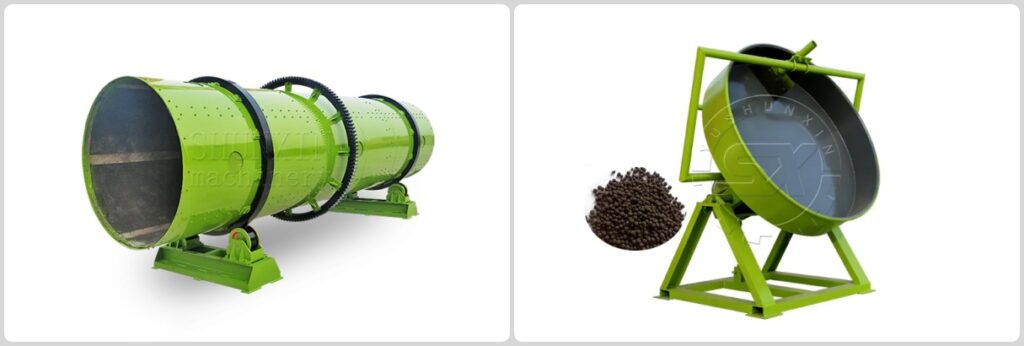
Among the various methods available, wet granulation is one of the most widely used approaches for NPK granule production. This process involves combining NPK raw materials with water to form a wet mixture. The mixture is then passed through a granulator, where it is shaped into granules. Two common types of granulators utilized in this process are the drum granulator and the disc granulator.

NPK Fertilizer Granulators

The drum granulator features a large rotating drum that applies a tumbling action to form the granules. On the other hand, the disc pelletizer utilizes a spinning disc to achieve the same result. Both machines are highly efficient and capable of producing high-quality NPK granules. Notably, Shunxin’s NPK granulation machines are specifically designed to handle the wet mixture and shape it into uniform-sized granules.

Dry Granulation Technology

Dry granulation technology, in contrast, involves compacting the raw materials without the addition of liquid. This method is particularly suitable for materials that are sensitive to moisture or heat. SX double roller press granulator is a perfect choice for NPK dry granulation. This granulator employs two rollers that press the material into a sheet or ribbon. The sheet is then broken down into granules through a process known as extrusion. The press granulator operates with great efficiency and produces granules with uniform size and shape.

The selection between wet and dry granulation methods depends on several factors, including the characteristics of the raw materials, desired granule properties, and production scale. Regardless of the chosen method, Shunxin’s NPK granulation technlogy are versatile and capable of meeting the requirements of both small and large-scale production. These machines are designed with user-friendliness in mind, featuring easy-to-use controls and maintenance-friendly attributes.

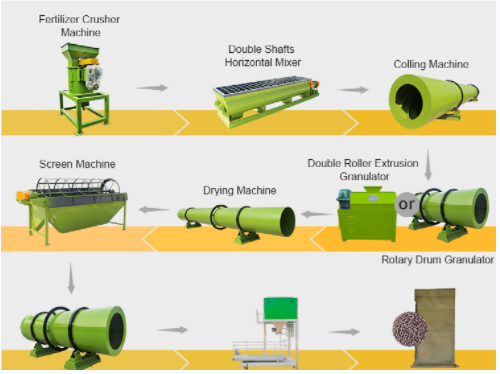
In addition to the granulation machines, Shunxin offers a comprehensive range of equipment that can be used in the production of NPK granules. This includes static batching machines, double shaft mixers, rotary screening machines, packing machines, and palletizer robots. These machines work in harmony to create a complete and efficient production line that ensures reliability and cost-effectiveness.

NPK Granulation Process

In conclusion, the production of NPK granules is a vital process in the agricultural industry, providing plants with essential nutrients for growth. Shunxin’s advanced technology and user-friendly design make wet and dry granulation machines the perfect choices for producing high-quality NPK granules. Whether you’re a small-scale farmer or a large-scale fertilizer producer, Shunxin has the equipment you need to succeed. For more details, please visit this link: https://www.fertilizerproductequipment.com/npk-fertilizer-production-technology/

What is the Process of Making Dolomite Granules?

Dolomite granules are a valuable agricultural product widely used to enhance soil quality and improve crop yields. The process of making dolomite granules involves several steps, from mining the raw material to processing and finally packaging the end product. In this comprehensive guide, we will delve into each stage of the production process to gain a better understanding of how these essential granules are manufactured.

dolomite pellets
dolomite pellets

Step 1: Dolomite Mining

The first and crucial step in dolomite granule production is mining. Dolomite, a naturally occurring mineral composed of calcium and magnesium carbonate, is typically found in sedimentary rock formations. To begin the process, mining operations are established at dolomite-rich sites. These operations may include open-pit mining or underground mining, depending on the location and accessibility of the dolomite deposits.

Step 2: Crushing and Grinding

Once the dolomite is extracted from the mining site, it is transported to a processing facility where it undergoes crushing and grinding. The raw dolomite is broken down into smaller particles to facilitate further processing. Crushing and grinding are essential steps to ensure that the dolomite granules have the desired particle size for agricultural applications.

Step 3: Heating and Calcination

After the initial crushing and grinding, the dolomite particles are subjected to a process called calcination. Calcination involves heating the dolomite at high temperatures, typically above 900 degrees Celsius (1652 degrees Fahrenheit). This process causes a chemical reaction, known as thermal decomposition, which transforms the raw dolomite into a more reactive form of calcium and magnesium oxides, known as quicklime or burnt lime.

Step 4: Pelletization

The next stage in the production process is pelletization. The quicklime obtained from the calcination process is mixed with water to create a slurry. This slurry is then processed through pelletization equipment, which forms the slurry into small granules. These granules are often spherical or cylindrical in shape, making them suitable for use as agricultural fertilizers. For this, flat die pellet granulator is the best choice for you.

Step 5: Drying

The freshly formed dolomite granules contain a significant amount of moisture from the pelletization process. To ensure the granules are stable and have a longer shelf life, they must be dried. Drying can be achieved using various methods, such as rotary dryers or fluidized bed dryers, which remove excess moisture and leave behind the final product.

Step 6: Sizing and Screening

To meet specific market requirements, the dried dolomite granules are sized and screened. This step involves separating granules into different grades based on their particle size. The granules can range from fine to coarse, and this grading allows producers to offer a variety of products tailored to the needs of different crops and soil types.

Step 7: Quality Control and Testing

Quality control is a critical aspect of dolomite granule production. Producers conduct rigorous testing to ensure that the granules meet the required specifications and are free from contaminants or impurities. This step ensures that the end product is of high quality and safe for agricultural use.

Step 8: Packaging

The final stage of the dolomite granule production process is packaging. The dolomite granules are typically packaged in bags or bulk containers suitable for transportation and distribution to agricultural markets. Proper packaging helps protect the granules from moisture and external contaminants, ensuring their quality is maintained until they reach the end-users.

Conclusion

The process of making dolomite granules is a complex and carefully controlled series of steps that transforms raw dolomite into a valuable agricultural product. From mining and crushing to pelletization and packaging, each stage plays a crucial role in producing granules that contribute to improved soil fertility and enhanced crop yields. The quality and consistency of these granules are essential to their effectiveness in modern agriculture, making precision and attention to detail integral to the production process. In SX, we can also produce limestone pellets and  zeolite pellets, if you are interested in them, you can visit https://www.granulatorforfertilizer.com/.

Goat Manure Disc Granulator to Make Small Scale Fertilizer

In the realm of sustainable agriculture, the utilization of organic fertilizers has gained significant attention due to its numerous benefits. Goat manure, with its rich nutrient composition, is an excellent source of organic matter that can be transformed into high-quality fertilizer. One effective method to process goat manure into fertilizer is through the use of a disc granulator. This article explores the process of utilizing a disc granulator to produce small-scale fertilizer from goat manure, highlighting its advantages and steps involved.

Benefits of Goat Manure Fertilizer:

Goat manure possesses several key advantages that make it an ideal choice for fertilizer production. Firstly, it is rich in essential nutrients such as nitrogen, phosphorus, and potassium (NPK), along with other micronutrients. These nutrients are crucial for plant growth and development, ensuring healthy yields. Secondly, goat manure contains organic matter that improves soil structure, enhances moisture retention, and promotes microbial activity, thus fostering a fertile and productive soil ecosystem. Lastly, utilizing goat manure as fertilizer is an eco-friendly approach, reducing waste accumulation and providing a sustainable alternative to chemical-based fertilizers.

Disc Granulator: An Overview:

A disc granulator is a mechanical device used to convert raw materials into uniform granules. It comprises a rotating disc, an inclined angle adjustment mechanism, a scraper, and a granulation plate. The disc rotates at high speed, causing the raw material, in this case, goat manure, to adhere to the granulation plate. The combination of centrifugal force and friction leads to the formation of spherical granules. These granules can then be dried, cooled, and packaged as organic fertilizer.

Steps in Goat Manure Disc Granulation:

  1. Pre-processing: Prior to granulation, it is essential to pre-process the goat manure. This involves removing any foreign materials such as rocks, twigs, or plastic. Additionally, the manure can be composted or aged to enhance its nutrient content and reduce pathogens.
  2. Adjusting the angle: The angle of the disc granulation needs to be adjusted appropriately to achieve the desired granule size. A steeper angle will result in smaller granules, while a more shallow angle will yield larger granules. Experimentation and observation can help determine the optimal angle for a specific fertilizer requirement.
  3. Feeding the goat manure: The pre-processed goat manure is then evenly distributed onto the rotating disc of the granulator. Care should be taken to avoid overloading the disc, as this can affect the granulation process.
  4. Granulation: As the disc rotates, the goat manure adheres to the granulation plate. The combination of centrifugal force and friction causes the material to form small granules. The scraper positioned above the disc helps to control the thickness of the granules and prevent blockages.
  5. Drying and cooling: After the granulation process, the newly formed granules need to be dried to reduce moisture content and prevent microbial growth. This can be achieved through natural drying methods or with the help of a specialized drying system. Subsequently, the granules are cooled to ambient temperature to ensure stability and prevent clumping.
  6. Screening and packaging: The dried and cooled granules are then screened to remove any oversized or undersized particles, ensuring uniformity in size. The screened granules are ready for packaging, either in bags or other suitable containers, for storage or distribution.

Conclusion:

Utilizing a disc granulator to convert goat manure into small-scale fertilizer offers several benefits in terms of sustainability, soil health, and plant nutrition. The process, involving pre-processing, adjusting the angle, feeding the manure, granulation, drying and cooling, and finally screening and packaging, enables the production of high-quality organic fertilizer. By embracing this eco-friendly approach, farmers and gardeners can enhance their agricultural practices while promoting a greener and healthier environment.

How to compost horse manure fast

Composting horse manure is an effective and environmentally friendly way to turn waste into nutrient-rich fertilizer for your garden or plants. By following a few key steps, you can accelerate the composting process and produce high-quality compost in a relatively short period. Here’s a guide on how to compost horse manure quickly.

Manure fertilizer after composting

Firstly, start by selecting a suitable composting area. Find a well-drained spot in your garden or yard that receives partial sunlight. This will help maintain the ideal temperature and moisture levels necessary for efficient decomposition.

Next, gather fresh horse manure and bedding material such as straw or sawdust. Ensure that the manure is free from contaminants such as pesticides or medications that may harm your plants. It’s best to avoid using manure from horses that have recently been treated with deworming medication.

Once you have the materials, create a compost pile or groove. Aim for a sizeable heap, as larger piles tend to generate heat more effectively. Layer the horse manure with the bedding material, alternating between the two. This will help create a balanced carbon-to-nitrogen ratio, essential for proper decomposition. Aim for a ratio of roughly 25 parts carbon (bedding) to 1 part nitrogen (manure).

well fermented compost by compost turner

To accelerate the composting process, ensure adequate moisture. Horse manure compost piles should be moist but not waterlogged. To maintain the ideal moisture levels, regularly monitor the pile and add water as needed. It should have the consistency of a damp sponge.

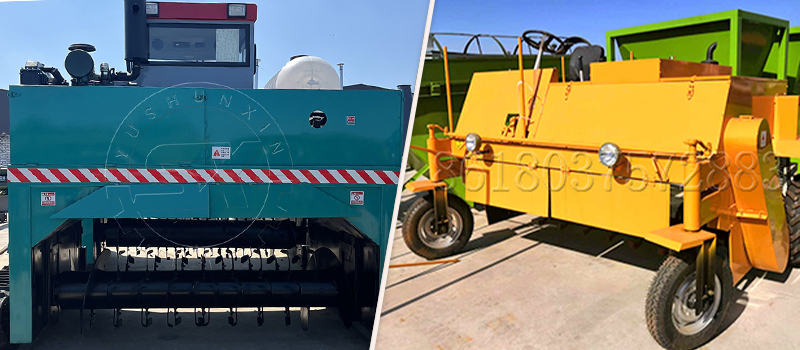
Turning the pile regularly is crucial for fast decomposition. Use a horse manure compost turner  to turn thoroughly every one to two weeks. Turning the pile helps incorporate oxygen, which aids the growth of beneficial bacteria and speeds up decomposition. Additionally, it helps distribute moisture evenly and prevents foul odors.

Maintaining the right temperature is vital for efficient composting. The internal temperature of the pile should ideally range between 130°F and 150°F (55°C to 65°C). If the pile becomes too hot, turn it more frequently or add extra bedding material to reduce the temperature. Conversely, if the temperature drops below 100°F (38°C), the decomposition process may slow down, so consider adding nitrogen-rich materials like grass clippings or vegetable scraps to boost microbial activity.

Regularly monitor the progress of your compost pile. As decomposition takes place, the pile will gradually shrink in size, and the materials will transform into dark, crumbly compost. This process typically takes three to six months, but by following the steps mentioned above, you can significantly reduce the composting time.

horse manure compost turner

Once the compost resembles rich, earthy soil, it’s ready to use. Before applying it to your garden or plants, let it cure for an additional two to four weeks. This curing period allows any remaining pathogens or weed seeds to break down further, ensuring a safe and beneficial product for your plants.

Composting horse manure fast requires attention to detail and regular maintenance, but the rewards are worth it. By transforming waste into nutrient-rich compost, you’ll not only improve your soil’s fertility but also contribute to a sustainable and eco-friendly gardening practice.

You can check our website for more about our products!

Horse Manure Disposal

how long to compost sheep manure

Composting sheep manure is a great way to convert a potentially smelly and hazardous waste product into a valuable resource for your garden. However, one of the most common questions that gardeners have is how long it takes to compost sheep manure. The answer to this question depends on several factors, including the composting method used, the temperature, humidity, and the carbon-to-nitrogen ratio of the compost.

Manure fertilizer after composting

Sheep manure is high in nitrogen, which is essential for plant growth, but it can also be too hot for plants if it’s not properly composted. To avoid burning your plants with fresh manure, it’s essential to compost it first. Composting is a natural process that involves the breakdown of organic matter by microorganisms. The process is typically faster if you provide the right conditions for the microbes, such as air, water, and a balanced carbon-to-nitrogen ratio.

One of the most popular methods of composting sheep manure is the aerobic composting method. This method involves mixing the manure with other organic materials, such as straw, leaves, or sawdust, to create a balanced carbon-to-nitrogen ratio. The optimal ratio is about 30 parts carbon to 1 part nitrogen. This ratio provides enough carbon to absorb excess moisture and prevent the compost from becoming too wet and smelly, while the nitrogen feeds the microorganisms that break down the organic matter.

well fermented compost by compost turner

Once you have mixed the manure with other organic materials, it’s time to turn the compost pile regularly to provide oxygen to the microorganisms. Turning the pile also helps to distribute heat evenly, ensuring that all parts of the pile break down at the same rate. The ideal temperature for aerobic composting is between 130-140°F (55-60°C). At this temperature, the microbes are most active and can break down the organic matter quickly.

In general, it takes between 6 to 12 months to compost sheep manure using the aerobic composting method. The exact time will depend on several factors, such as the size of the pile, the moisture level, and the carbon-to-nitrogen ratio. However, you can speed up the composting process by using the sheep manure composting machine ensuring that the pile is moist but not too wet, providing plenty of oxygen, and maintaining the optimal temperature.

In conclusion, composting sheep manure is an excellent way to create a valuable resource for your garden. While the exact time it takes to compost sheep manure will depend on several factors, it typically takes between 6 to 12 months using the aerobic composting method and up to 18 months using the vermicomposting method. By following the tips and providing the right conditions, you can speed up the composting process and create a nutrient-rich fertilizer for your plants.

Check our website to know more about us and our ability! Get an ideal fertilizer making line for your fertilizer making plant!

Sheep Manure Compost

Chicken Manure Disc Pelletizer

The process of composting chicken manure is a great way to turn waste into a valuable resource for agriculture. However, to get the most out of this process, farmers need to have an efficient and effective way to transform the composted manure into a form that can be easily spread over fields. This is where a chicken manure disc pelletizer comes in.

What is a Chicken Manure Disc Pelletizer?

A chicken manure disc pelletizer is a machine that compresses and shapes composted chicken manure into small pellets. These pellets are an ideal form for spreading over fields as they can be easily distributed, and they provide a slow-release source of nutrients for crops. The disc pelletizer uses a rotating disc that has a series of blades attached to it. As the disc rotates, the blades push the composted chicken manure against a stationary plate. This plate shapes the composted manure into small pellets, which are then discharged from the machine.

Advantages of a Chicken Manure Disc Pelletizer

One of the main advantages of using a chicken manure disc pelletizer is that it creates a uniform product. The pellets are all the same size and shape, which means that they can be spread evenly over a field. This is important as it ensures that crops receive a consistent supply of nutrients. In addition, the pellets are easier to handle than raw composted chicken manure, which can be bulky and difficult to spread.

Another advantage of a chicken manure disc pelletizer is that it helps to reduce odor. Chicken manure can be quite pungent, and the composting process can exacerbate this. However, by compressing the composted chicken manure into pellets, the machine helps to reduce the surface area of the manure, which in turn reduces the amount of odor that is released.

How to Use a Chicken Manure Disc Pelletizer?

Using a chicken manure disc pelletizer is relatively straightforward. First, the composted chicken manure needs to be loaded into the machine. The disc should be set to rotate at the desired speed, and the blades should be adjusted to the appropriate angle. As the machine runs, the composted chicken manure will be pushed against the stationary plate, and small pellets will be formed. These pellets can then be collected and stored until they are ready to be spread over fields. You can learn more to get here.

dic pelletizer for sale

Maintenance of a Chicken Manure Disc Pelletizer

Like any piece of machinery, a chicken manure disc pelletizer requires regular maintenance to ensure that it is functioning correctly. The blades need to be sharpened or replaced periodically, and the machine should be cleaned after each use to prevent the buildup of residue. In addition, it is important to regularly inspect the machine for any signs of wear or damage.

Conclusion

A chicken manure disc pelletizer is an essential tool for any farmer who wants to turn waste into a valuable resource. By compressing composted chicken manure into small pellets, the machine creates a uniform product that can be easily spread over fields. This not only provides a slow-release source of nutrients for crops but also helps to reduce odor. With proper use and maintenance, a chicken manure disc pelletizer can be a highly effective and efficient addition to any farm. If you are interested in this machine , you can visit https://www.granulatorforfertilizer.com/disc-pelletizer-for-sale/.

cow dung pellet making machine

Cow dung pellet making machines are becoming increasingly popular among farmers and livestock owners as a way to manage cow dung waste and create a valuable source of fuel. Cow dung is a rich source of organic matter and nutrients, but if not properly managed, it can create a number of environmental and health hazards. Pelletizing cow dung offers a solution to these problems, providing a clean, efficient and renewable fuel source that can be used for heating and cooking.

Windrow compost turner for organic waste

A cow dung pellet making machine is a device that compresses cow dung into small, cylindrical pellets that can be used as fuel. The machine works by first drying the cow dung, then crushing it into a fine powder and finally compressing it into pellets. The pellets are then cooled and dried before being packaged and sold.

The process of making cow dung pellets has several benefits. First, it reduces the amount of waste that is produced by cows, which can be a significant environmental problem. Cow dung can release harmful gases like methane and ammonia when left untreated, which can contribute to air pollution and global warming. By turning cow dung into pellets, farmers can reduce the amount of waste that they produce and mitigate these environmental hazards.

Second, cow dung pellets are a renewable and sustainable fuel source. Unlike fossil fuels, which are finite resources that will eventually run out, cow dung is a readily available resource that can be replenished each year. Pelletizing cow dung offers a way to harness this renewable energy source and reduce our dependence on non-renewable fossil fuels.

Third, cow dung pellets are a clean and efficient fuel source. They burn hotter and cleaner than raw cow dung, producing less smoke and emissions. This makes them a more environmentally friendly option for heating and cooking, particularly in rural areas where traditional fuels like wood and coal are often used.

There are several different types of cow dung pellet making machines available on the market, each with its own unique features and benefits. Some machines are small and portable, designed for use on small farms or homesteads. Others are larger and more industrial, suitable for use on large-scale livestock operations or in commercial pellet production facilities.

When choosing a cow dung pellet making machine, it’s important to consider a number of factors. First, the machine should be able to handle the volume of cow dung that you produce. If you have a small farm with only a few cows, a smaller machine may be sufficient. However, if you have a large herd, you may need a larger, more industrial machine.

Second, you should consider the quality of the pellets that the machine produces. The pellets should be uniform in size and shape, and should be able to hold together without crumbling or breaking apart. If the pellets are too loose or crumbly, they may not burn efficiently, reducing their value as a fuel source.

Finally, you should consider the cost and maintenance requirements of the machine. Cow dung pellet making machines can range in price from a few hundred dollars to several thousand dollars, depending on their size and features. Additionally, some machines may require more frequent maintenance or repairs than others, which can add to the overall cost of ownership.

In conclusion, cow dung pellet making machines offer a number of benefits to farmers and livestock owners. By converting cow dung into a valuable fuel source, these machines can help reduce waste, promote sustainability, and provide a clean and efficient source of energy for heating and cooking. When choosing a cow dung pellet making machine, it’s important to consider factors like volume, quality, and cost, to ensure that you choose a machine that meets your needs and budget.

You can check this page for more about !

Cow Dung Pellet Making Machine